Aeration solution prevents odors and operational issues at rural plants
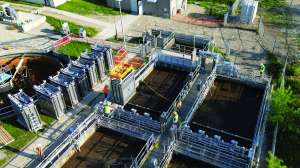
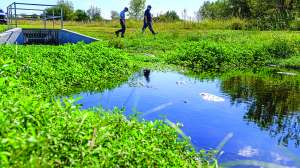
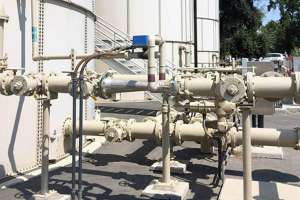
Problem: The cities of Delano and Reedley in California’s San Joaquin Valley expanded their wastewater treatment facilities to accommodate flows up to 8.8 and 5.0 mgd. In the upgrades each facility needs a reliable method to keep biosolids holding tanks from going septic. The 110,000-gallon, uncovered tanks needed consistent aeration to control odors and avoid downstream issues with dewatering centrifuges.
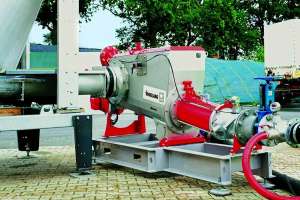
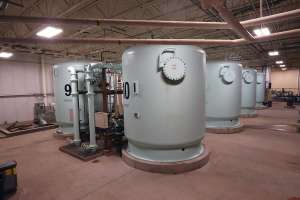
Solution: The plants installed aeration systems with Mazzei stainless steel venturi injectors and chopper pumps. These external, nonsubmerged systems enable two modes of operation: single-pass aeration from secondary clarifiers, or continuous recirculation from the biosolids tanks. The injectors draw in air and mix it efficiently into the solids stream without clogging due to simple, maintenance-free design and absence of small orifices.
Result: Over a decade later, the systems have performed with zero injector maintenance. Delano aerates only during tank fill-up to allow material to settle and reach a 6% solids. Reedley continuously aerates to keep solids suspended, improving centrifuge performance. In both cases, biosolids clean enough for land application or composting. Maintenance is limited to routine pump servicing, lowering costs and downtime. 661-363-6500; www.mazzei.net
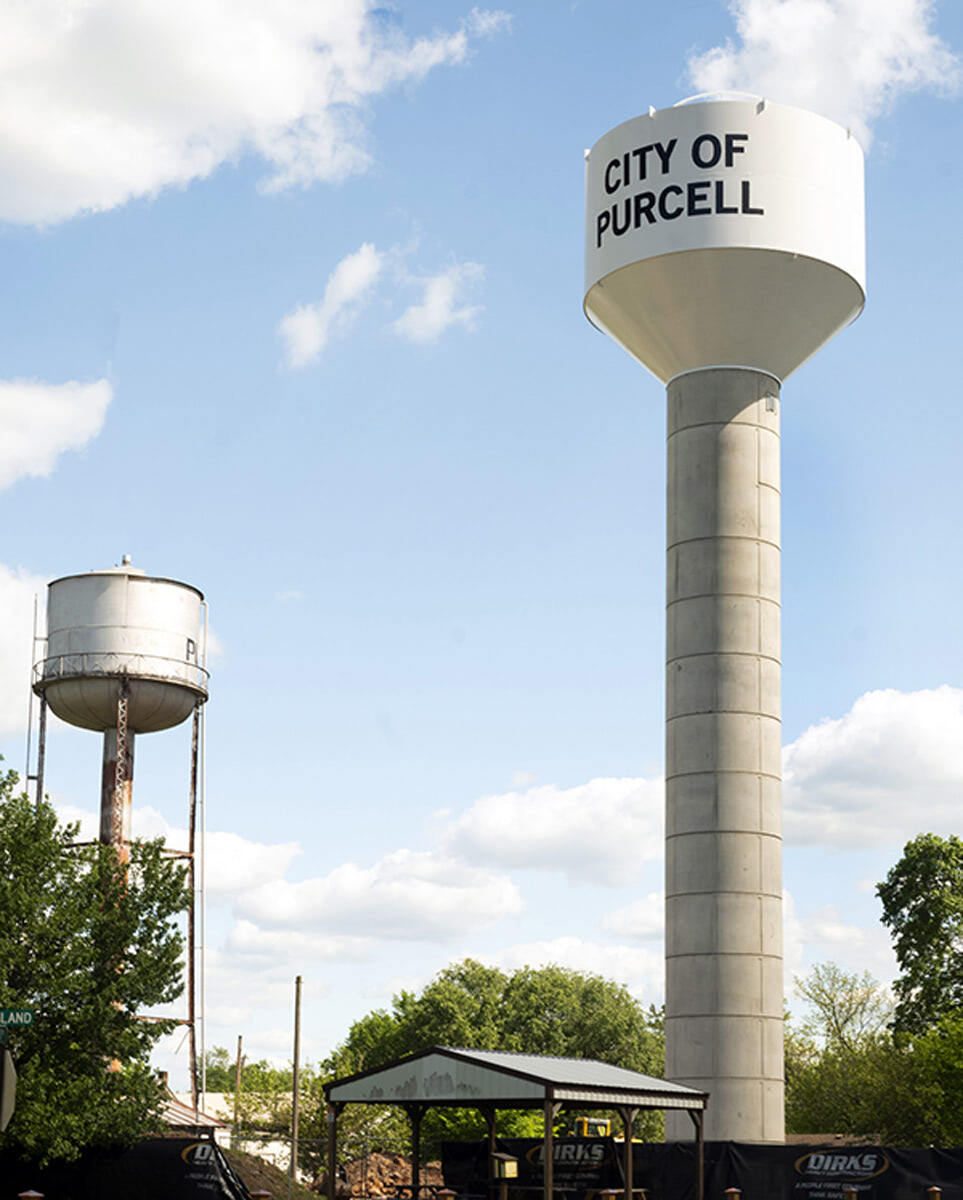
First commercial mini-composite elevated water tank constructed
Problem: The city of Purcell, Missouri, sought to replace a 50,000-gallon multi-column steel water tower built in 1911. The city needed a new water storage tank, but staff worried about the cost and time needed to put it into service.
Solution: Pittsburg Tank & Tower Group engineered, fabricated and erected a 100,000-gallon mini-composite 108.4-foot-tall steel tank, setting it on the supporting concrete shaft just 131 days after signing the contract for the project. The design is tailored for water systems desiring a low-maintenance, low-life-cycle-cost option that can be built quickly.
Result: The tank greatly reduced construction work at elevation, enhancing safety and quality. Precast segments were raised by crane and locked into place. 270-826-9000; www.pttg.com

Maximizing trihalomethane removal while minimizing cost
Problem: The Municipal Authority of Westmoreland County, Pennsylvania, treats water and wastewater for 125,000 county residents, maintaining three water treatment plants and more than 70 water tanks. The authority had always met state water-quality standards and wanted to be sure to remain in compliance as those standards changed.
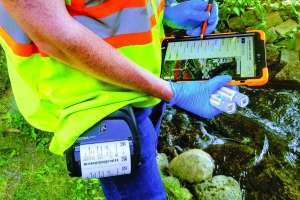
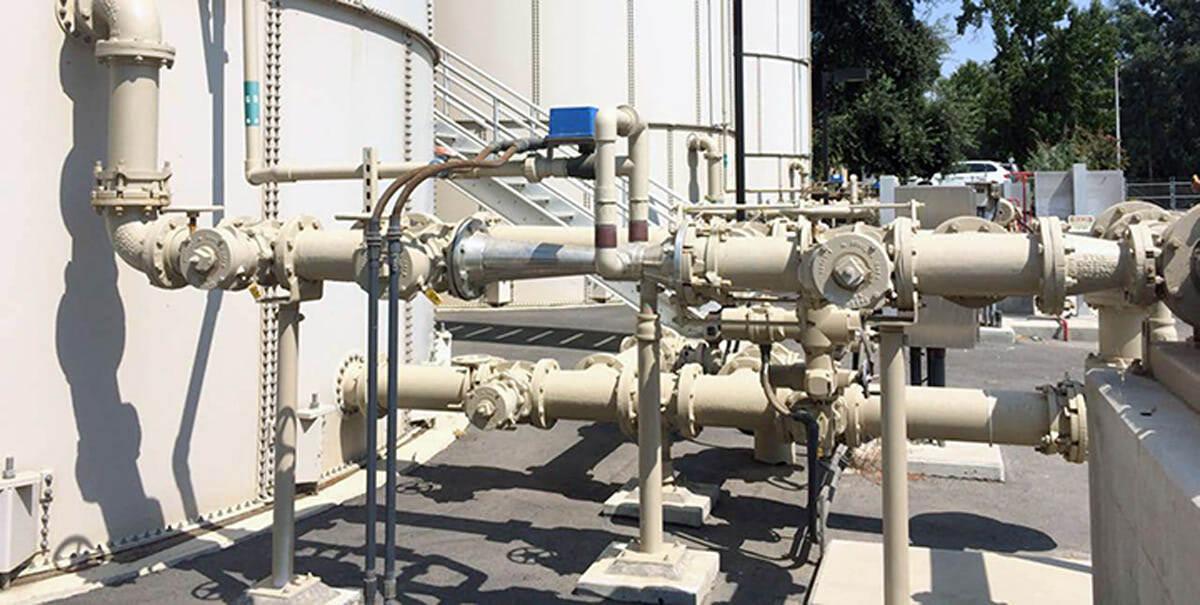
Solution: USG Water Solutions provided a PAX mixer to circulate water inside one tank and treat the entire volume, adding PAX Mixing/Powervent systems to remove disinfection byproducts. A yearlong test showed that the system maintained a constant temperature throughout the tank, kept chlorine levels consistent, and maximized trihalomethane removal, while minimizing cost.
Result: The authority standardized on the solution, equipped 30 of its tanks with it, and plans to update the remaining tanks in the next few years. The changes enable better service and higher water quality, while meeting state standards for chlorine residual. 855-719-1681; www.usgwater.com

Technology enables treatment plant expansion
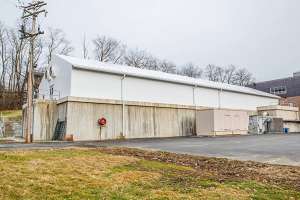
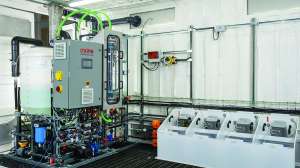
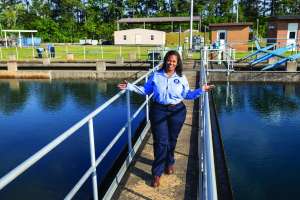
Problem: The town of Bayfield and La Plata Archuleta Water District in Colorado partnered to expand the 1.5 mgd Bayfield Water Treatment Plant. The plant included two Actiflo+ multimedia tilter treatment trains commissioned in 2003. An expansion was needed to accommodate growing demand.
Solution: Briliam/FEI Engineers chose Actiflo high-rate ballasted clarification process and Dusenflo multimedia filter, both from Veolia Water Technologies, based on the Actiflo system’s proven performance and operators’ familiarity with the process. The Dusenflo system provided single-source responsibility, leading to an economical solution.
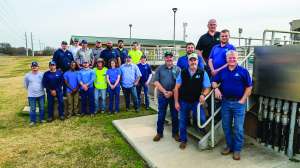
Result: The compact Actiflo clarification step before media filtration handles current conditions while providing flexibility to meet challenges related to climate change (forest fires, flooding) or changes in regulations (pesticides). “This project was a team effort, and we appreciate of Veolia’s support in helping to make this a near-perfect project,” says Ron Saba, water and wastewater plant superintendent. 919-677-8310; www.veoliawatertech.com