The Lakehaven Special Purpose District plays an essential role in protecting Washington’s Puget Sound.
The district works with regulatory agencies to make sure that wastewater overflows are handled properly during heavy rainfalls. “That can happen in winter when we get more rain than normal,” says Randy Martinez, wastewater operations manager. “That can cause I&I issues that increase flows to above permitted levels.”
The district and collaborating agencies work to limit overflows and so help keep bacteria from spreading and poisoning the marine life. They ensure that the water is effectively treated before discharge to the sound.
Safe environment
“We have a very diverse area right on Puget Sound, and it is our job to maintain the area by keeping the water safe and clean, so that our residents and visitors can continue to recreate, and to protect the marine life for the environment and for fishing.”
The district’s area includes the city of Federal Way; parts of Kent, Des Moines, Fife and Northeast Tacoma; and several other communities, encompassing 112,000 residents. The district also serves the Puyallup Tribe of Indians, which has fishing rights.
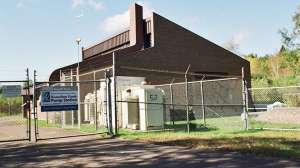
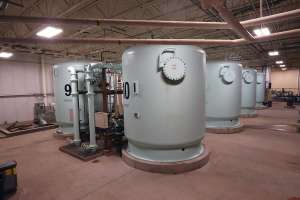
Lakehaven has two wastewater treatment plants. The Lakota Plant that is permitted for 10.1 mgd, and the Redondo Plant has 5.6 mgd capacity. In the past 10 years, the Lakota Plant has had no problems with spills or overflows, but the Redondo Plant has I&I issues due to an aging sewer system.
Abundant wildlife
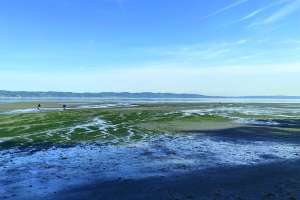
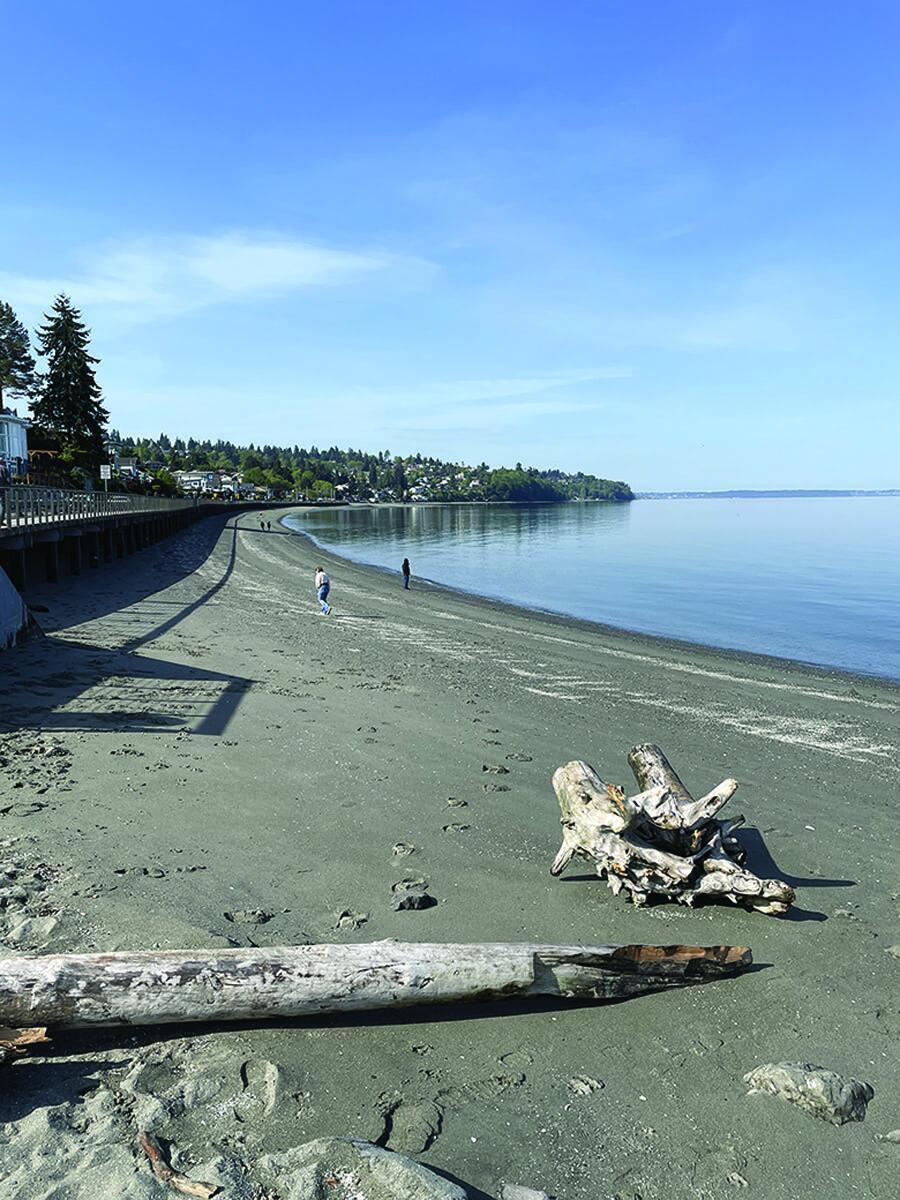
The waterways the district covers are home to marine life including sea otters, sea lions and orcas. A robust clamming and shellfish industry includes delicacies such as the geoduck burrowing clam, and the fishery offers salmon, halibut, trout and other species of fish.
Public beaches and recreational activities such as swimming, scuba diving and water sports are also popular — all the more reason to protect the sound and connecting waterways. When an overflow occurs, treatment plant staff members contact the state Department of Ecology.
“We have standard operating procedures in place that the DOE has to approve before we proceed,” Martinez says. “We call the Environmental Reports Tracking System, and then we have five days to submit a follow-up report.”
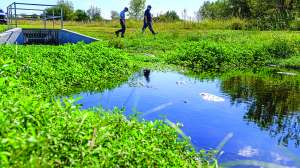
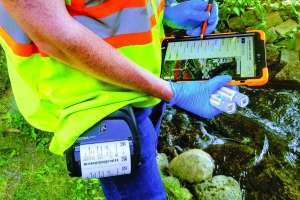
At that point the overflow water, which flows into a creek behind the Redondo Plant, needs to be tested for bacteria and cleaned. The beaches, affected waterways and creek are also closed and fishing activity is halted while the problem is being addressed.
The district notifies the state Department of Ecology, the state Department of Health’s Shellfish Program, the King County Health Department Wastewater Division, the Des Moines Public Works Department and Puyallup Tribe fisheries personnel. In addition, residents are notified through social media, door hangers, knocking on doors and a neighborhood app.
A small cul de sac community spreads the news through word of mouth, and the Puyallup Tribe receives an email from the regulatory agencies.
Environmentally Sound
The district and its partners work together to create messages for signs placed on the beaches and elsewhere in the affected areas. Once the water has been tested and is pronounced safe, which usually takes three days to two weeks, the signs are taken down, and recreation and fishing can resume.
“You never take anything for granted in this industry,” says Martinez. “Our district is spread across multiple jurisdictions. That is done for economy of scale.”
The environment is a high priority in the district’s territory: “We sit right on the Puget Sound, which is also a large shipping port. The sound is not just a Washington state treasure. It’s a world treasure and we intend to keep it that way.”