Sustainable ultra-low nitrogen oxide boilers
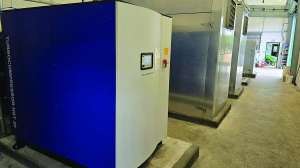
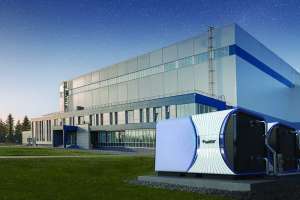
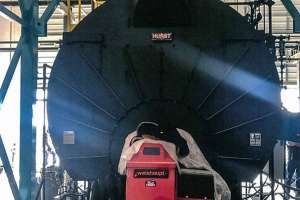
Problem: Pratt Industries, a corrugated box and container manufacturer in Lathrop, California, sought to update its boilers to meet the air district’s limits of 2.5 ppm NOx and 10 ppm ammonia.
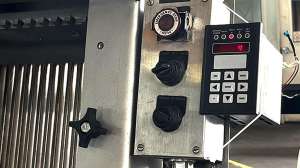
Solution: Hurst Boiler’s Ultra Low NOx boiler produces steam that consistently produces 2 ppm NOx or less. The project involved a Series 500, four-pass wetback scotch steam boiler with 250 psig design steam pressure operating at 200 psig. The boiler is rated at 24,000 pounds of steam per hour. The natural-gas-fired low NOx burners need no flue gas recirculation. The manufacturer partnered with Boiler & Steam Performance, Weishaupt Burner and California Boiler. The package included a CataStak selective catalytic reduction device from Nationwide Boiler.
Result: The system met the air district’s requirements. The collaboration led to a boiler with low excess air, high turndown rates and high fuel-to-steam efficiency. 877-994-8778; www.hurstboiler.com
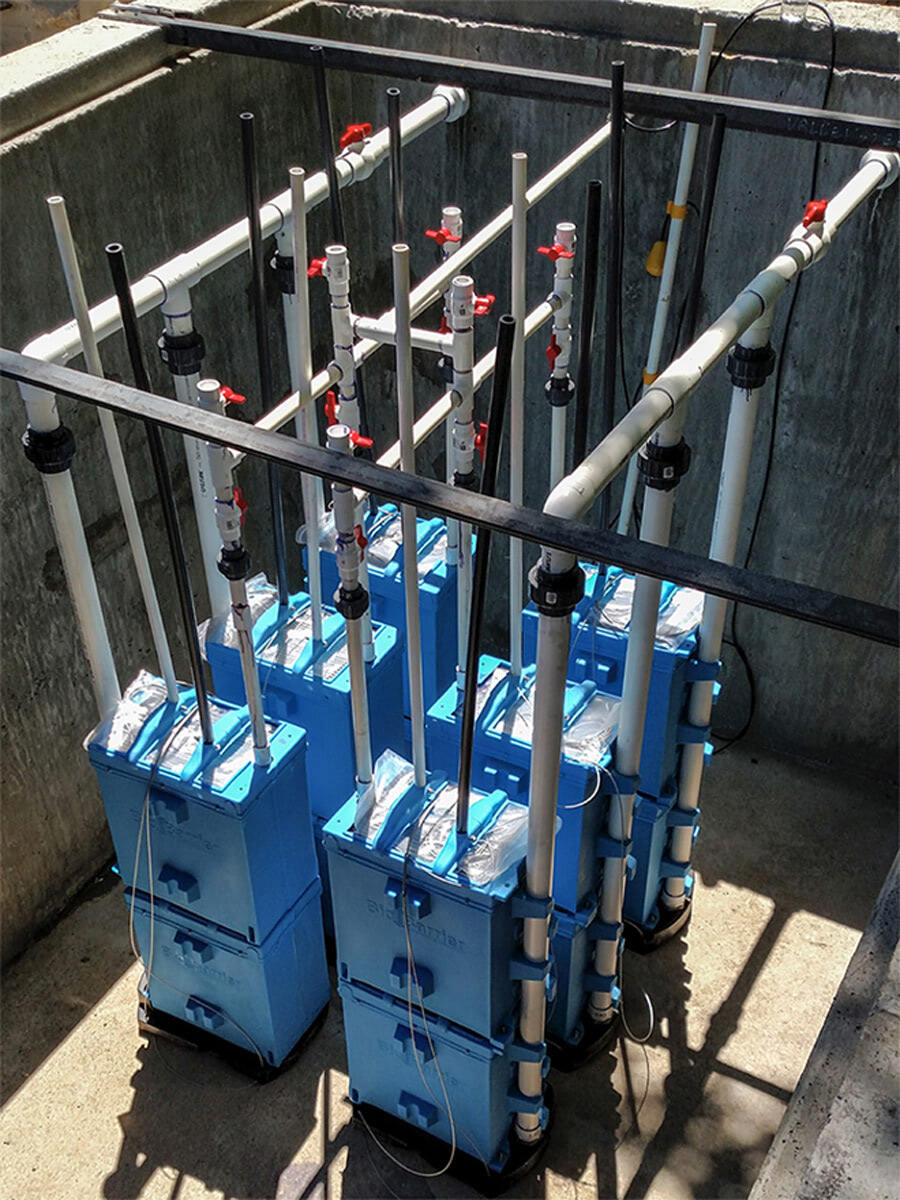
Affordable housing project overcomes stringent water requirements
Problem: A Boston developer aimed to provide 50 affordable and accessible apartments, but faced a strict effluent limit of 5 mg/L total nitrogen and net-zero total nitrogen at the property line because the site was close to natural water sources and a conservation area.
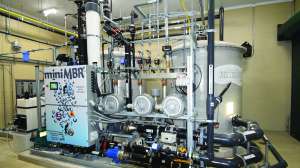
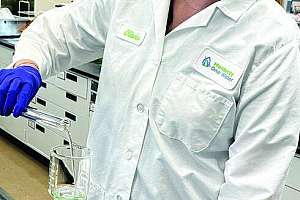
Solution: The project was estimated to generate 9,990 gpd, just under the 10,000 gpd limit for Massachusetts groundwater discharge permits. The developer chose the High Strength BioBarrier Membrane Bioreactor from BioMicrobics as the only viable option to meet the permit limits affordably. The system treats all wastewater from the homes to 99.9% free of contaminants including organic matter and pathogens. It included a SaniTEE screening device and a blower for aeration and mixing. The upward flow wastewater is pumped through membranes for microfiltration and ultrafiltration to produce clear, odorless water.
Result: The project remains a high-performing facility and serves as a reference for other sites with similarly strict effluent limits. 800-753-3278; www.biomicrobics.com

In-line aeration meets dissolved oxygen discharge limits
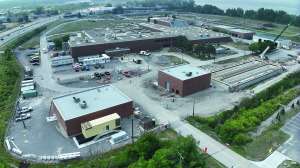
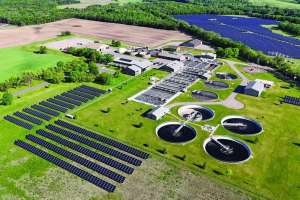
Problem: The Northern Regional Wastewater Treatment Plant in Hancock County, Mississippi, treats 6 mgd. After primary treatment, oxidation ditch, secondary clarification and UV disinfection, effluent dissolved oxygen dropped to near zero; the permit required at least 6.0 mg/L DO before discharge. A compact site and the hydraulic head in the mainline prevented use of cascade aeration; the engineers looked to alternatives with minimal footprint and pressure loss.
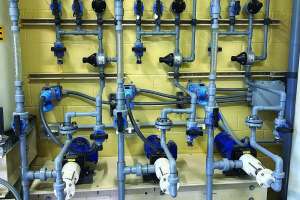
Solution: Engineers selected an in-line aeration system from Mazzei to introduce oxygen to the flow. The system was deployed on each of the four 16-inch discharge pipes, each fitted with a sidestream pump and booster skid to draw a portion of flow; a venturi injector to entrain air by creating vacuum in the sidestream; and a Pipeline Flash Reactor with high-velocity mixing nozzles to reintroduce the water/air mixture and ensure uniform DO transfer. The configuration minimized the footprint, avoided extensive construction and reduced maintenance.
Result: The system consistently met the DO requirement. Operators reported minimal maintenance and low oversight. 661-363-6500; www.mazzei.net