In deciding on a lime product for water and wastewater treatment there are three basic choices.
Quicklime and hydrated lime are dry bulk products. And then there are ready-made lime slurries. So, how do you decide which lime is the right lime for you? Here is what you need to know.
The three forms
Whatever the final form, all three lime products start life as limestone. After being quarried and crushed, the limestone (CaCO3) is heated in a kiln to drive off carbon dioxide, a process known as calcination. This leaves quicklime, or calcium oxide (CaO), which has been used by humans throughout history.
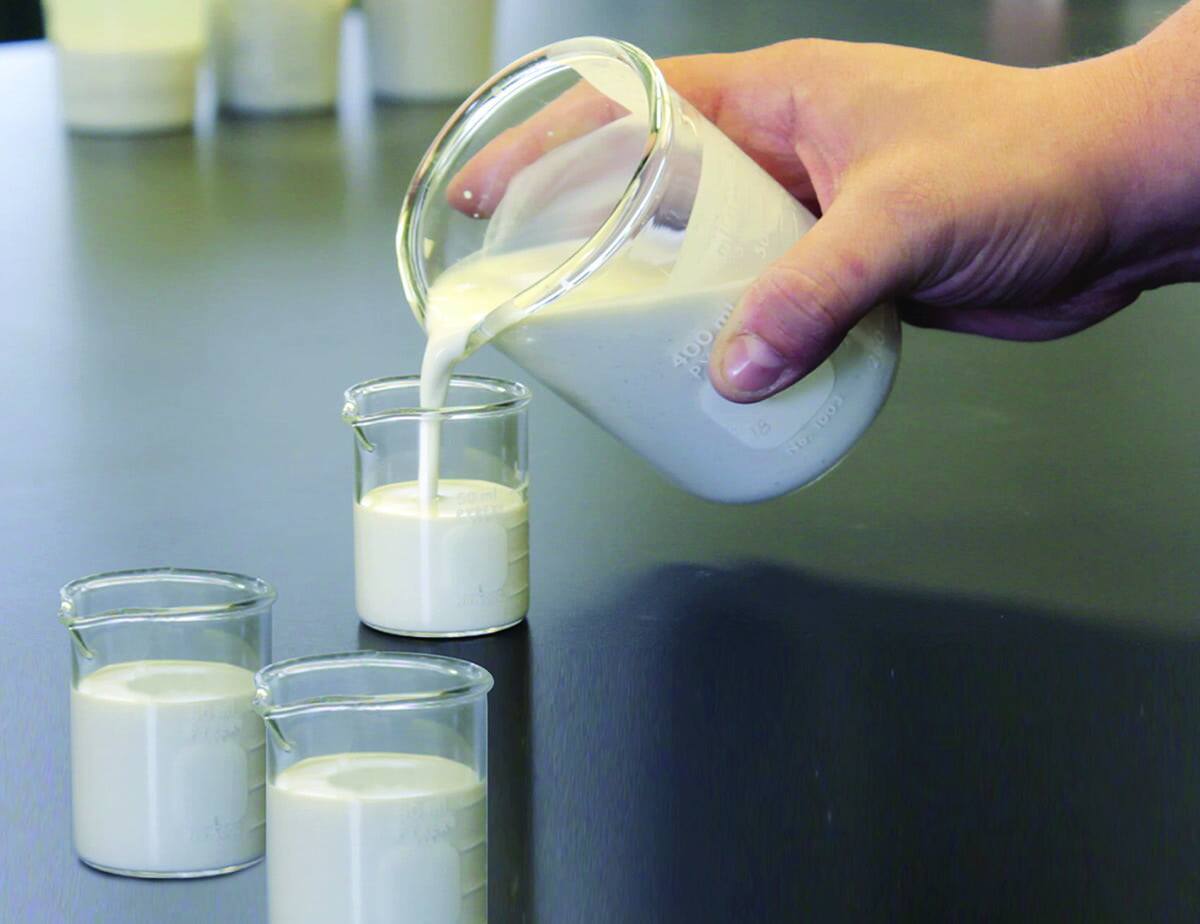
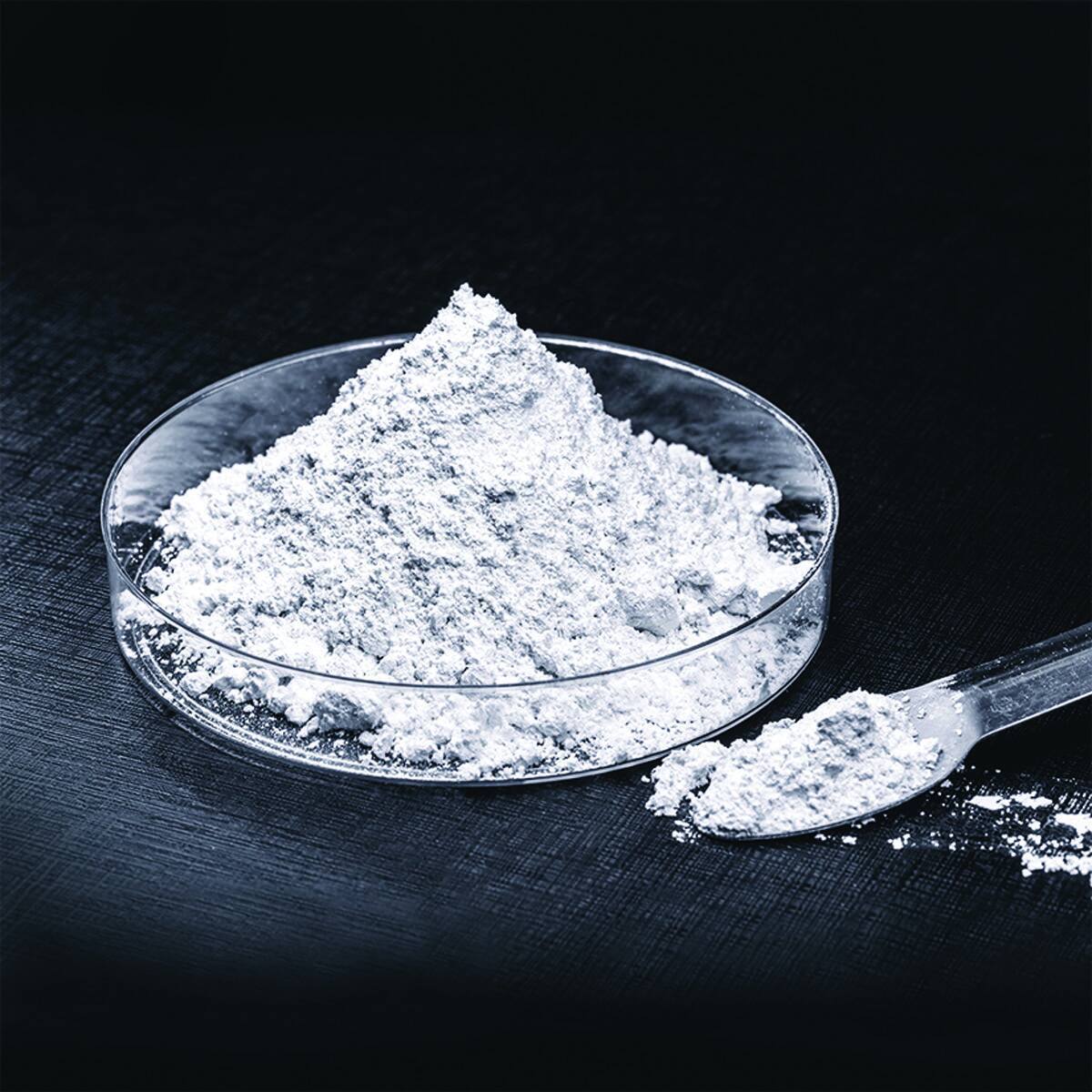
Adding water to the quicklime triggers an exothermic reaction (one that releases heat) and yields hydrated lime, or calcium hydroxide, Ca(OH)2, a fine dry white powder similar in texture to baby powder. Adding more water to quicklime produces a slurry. This process, known as slaking, creates a suspension of Ca(OH)2 particles in water.
So, the difference between the three forms of lime is really a question of how many processing steps there are from the original limestone. Quicklime is the first step, hydrated lime is the second, and ready-to-ship slurry is the third.
This bears remembering when deciding which form of line to use. It is also worth noting that whichever form of lime is chosen, it almost always will be added to the water or wastewater treatment process as a slurry.
Decision points
In selecting a form of lime, the first consideration is economics. There is a simple and predictable correlation here: each processing step increases the cost of the product. Thus quicklime is the cheapest, and ready-made lime slurries are the most expensive.
Quicklime typically ships in larger consignments of about 26 tons, compared to 20 tons for hydrated lime and 8.5 tons of dry lime equivalent per shipment of lime slurry. That means shipping costs per ton of quicklime are lower than for hydrated lime or the dry lime equivalent in slurry.
That all seems clear-cut, but it is not quite that simple. While quicklime may be the cheapest of the three products, it requires the highest capital investment in equipment and the highest ongoing expense for maintenance and labor. That’s because of the process steps need to convert from quicklime to slurry for actual use on site.
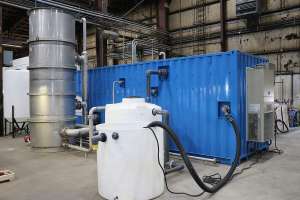
The conversion requires investment in a slaker to safely control the exothermic reaction that results when water is added to quicklime. It also requires a dry bulk silo and feed system to store and transport the quicklime, as well as a mix tank in which to store the slurry and keep the lime from settling out of suspension.
All this equipment needs to be safely and efficiently operated and maintained, increasing labor costs and the skills required of plant personnel. It will also require some form of control system to regulate material flow and make sure there is always slurry in the tank when needed. This could involve a relatively simple system or one that is fully automated. Either option adds another layer of complexity.
In addition, slaking quicklime generates grit, the residual particles of limestone and other impurities present in quicklime after calcination. Most slaker designs will include a degritting system, but grit is a waste product that must be properly managed and disposed of.
Using hydrated lime removes the need for a slaker, greatly simplifying the process and reducing capital cost, maintenance needs and safety risks. However, it still requires a dry bulk silo and feed system to store and transport the hydrate to the mix tank, as well as a control system to regulate the material flow.
Ready-mixed lime slurries are the easiest to use. There is no need to handle dry bulk material or deal with the challenges it brings, such as dusting. The only requirement is a mix tank. There is less maintenance, no long-term capital cost for equipment renovation and less risk of injury. In addition, there is minimal material loss such as what typically occurs in the handling of dry lime.
Which lime is right?
As a rule of thumb, the higher capital costs and more complex operations around quicklime and hydrated lime make lime slurries the most economical option for small-scale users (less than 500 tons per year of CaO equivalent).
Medium-scale users (500 to 3,000 tons per year) will see relatively short payback when using hydrated lime, while for large-scale users (more than 3,000 tons per year) it makes the most economic sense to invest in the slaking and other equipment required to use quicklime.
But this is only a rough guide. Ultimately, the choice depends on each user’s exact process and business requirements. For example, processes that are sensitive to the amount of water added may benefit from a 40% solids ready-made slurry. The high percentage of solids effectively reduces the amount of water added to the process per ton of active Ca(OH)2.
Getting help
In making a final choice, utilities can call on a supplier with expertise in handling all three forms of lime across diverse industries and applications. Such a partner can design, install and maintain lime systems to achieve peak performance for the application and instill confidence that the operations will run efficiently.
A qualified supplier with a long track record and diverse experience can offer state-of-the art products, partner with customers throughout the system and equipment lifecycle and offer aftermarket support, maintenance and parts for its own and third-party equipment and components to keep the lime process running safely and efficiently.
Their on-staff lime specialists have many years of combined industry experience and are well qualified to help utilities fully realize the benefits of lime products. And their network of production facilities ensures that products will always be available to meet users’ needs.
About the author
Mary Pinard is a customer success manager with Carmeuse Systems, a company specializing in the use of lime and lime systems for the water treatment industry.