Continuous data critical for industrial discharge management
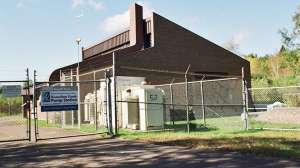
Problem: When a nearby pharmaceutical facility began discharging into Lansdale Borough’s (Pennsylvania) wastewater system, the local treatment plant faced unpredictable phosphorus spikes in its influent. Relying solely on once-daily lab data left the team blind to these fluctuations, forcing them to overdose on chemicals to stay within permit limits — an inefficient and costly approach.
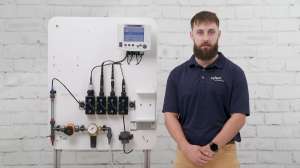
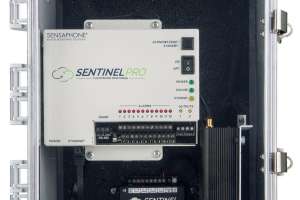
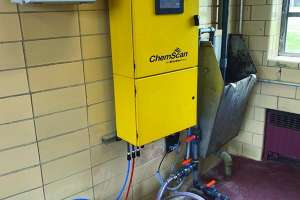
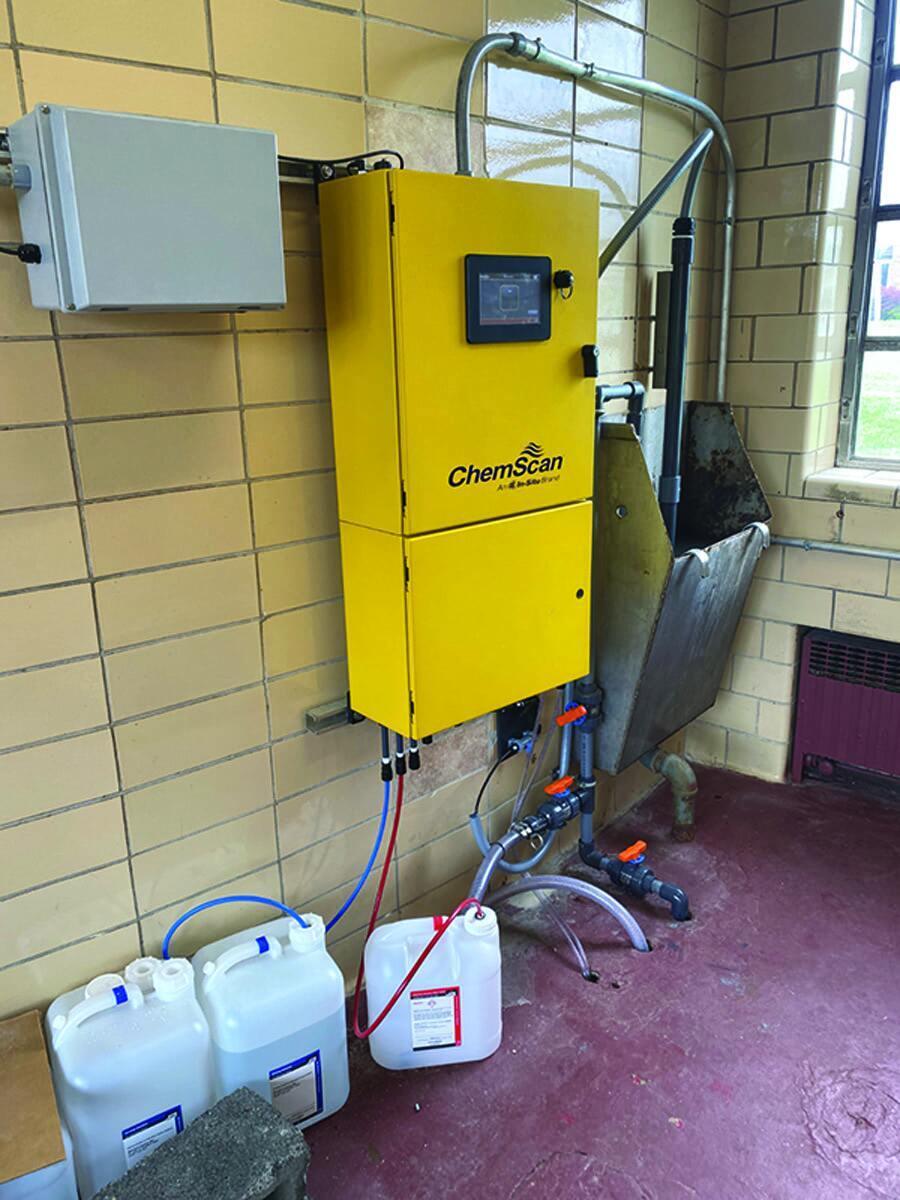
Solution: To address this, Lansdale installed three In-Situ ChemScan mini analyzers in August 2024 to continuously monitor orthophosphate at critical locations: the pump station where industrial discharge enters the system, the plant’s main influent and the effluent post-treatment. The shift to continuous orthophosphate monitoring — supported by Keystone Engineering Group and In-Situ field technicians — enabled real-time visibility into plant conditions and paved the way for automated chemical dosing. While routine maintenance is required, the ease of servicing the analyzers makes this a small trade-off for the benefits of continuous data.
Result: Reliable, timely measurements have allowed Lansdale to transition from a reactive to a proactive dosing strategy, improving efficiency, reducing chemical use and maintaining consistent effluent quality. The plant is also planning to fully automate their chemical feed system and is exploring other innovations — such as solar power and aeration automation — to integrate sustainability with a data-driven approach to wastewater management. 800-446-7488; www.in-situ.com
Treatment plant prevents eight line shutdowns using full-profile insertion meters
Problem: The Geneva (Ohio) Water Works Department produces 350,000 gpd of drinking water for 7,000 residents. The city had been without a bulk metering system for decades. With a growing population and a limited budget, the city needed to measure water consumption quickly and accurately.
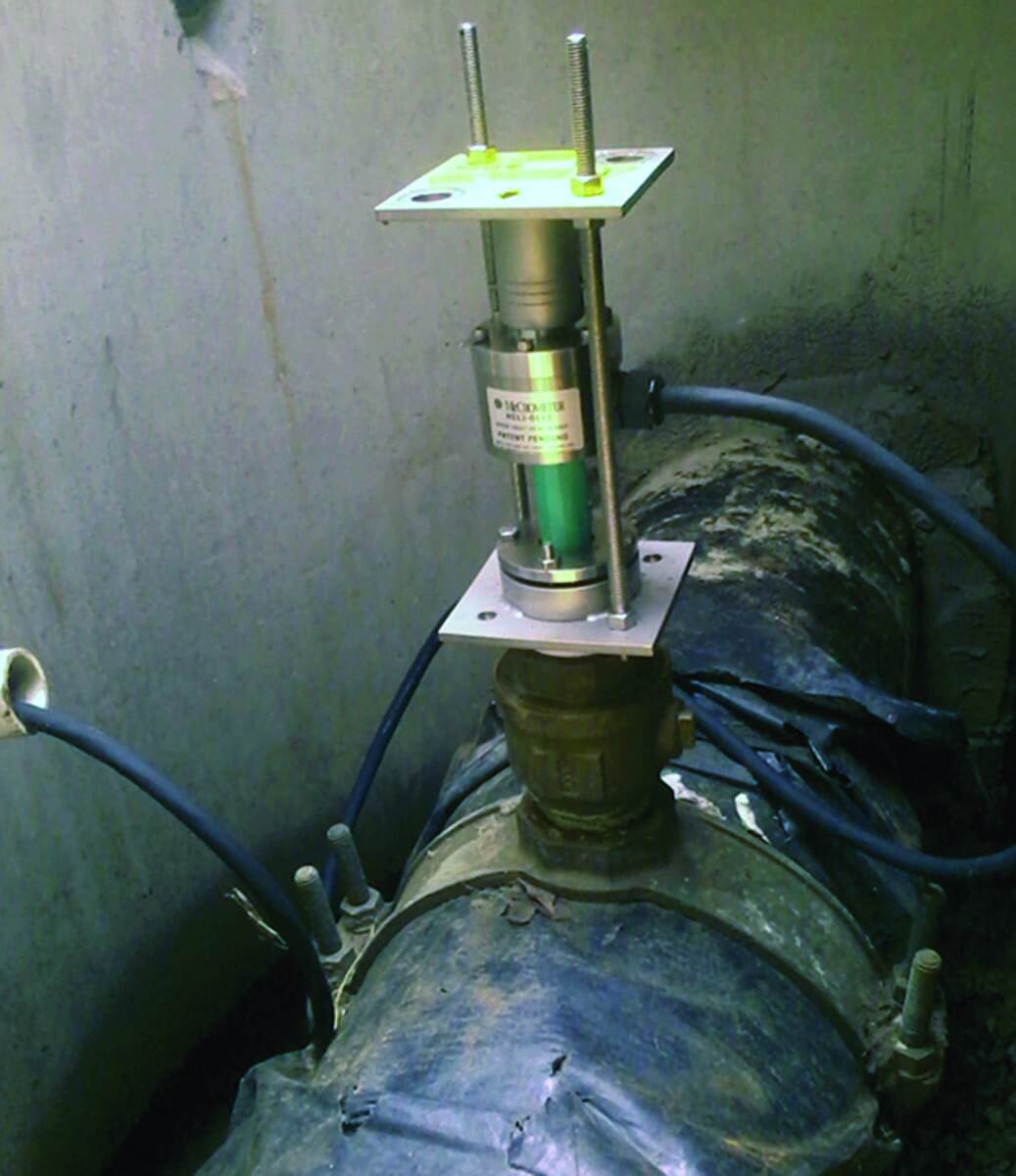
Solution: Operators determined that eight metering locations were needed. After confirming that electromagnetic meters were the best fit for reliability, they committed to FPI Mag meters from McCrometer. Designed as an alternative to full-bore meters, the units provide full-profile flow measurement at low cost without requiring pipeline dewatering pipelines and shutdowns.
Result: The meters excelled in monitoring leak detection and reducing nonrevenue water. The full-profile insertion meters met the city’s reliability and bidirectional requirements while satisfying budget needs and avoiding interruptions to facility operations. All eight meters were installed in minimal time, helping the city transition to a metered billing system. The city expects cost savings of 8-12% per year. 880-220-2279; www.mccrometer.com