Biosolids programs across the country are under pressure.
In particular, land application is haunted by concerns about the environmental and health effects of PFAS (“forever chemicals”). In response, clean-water agencies are stepping up efforts to inform the public about the value of biosolids as a source of valuable nutrients and organic matter.
Now biosolids producers and proponents in the southeastern states are joining forces to advance the cause. The Southeast Biosolids Association (sebiosolids.org), formed in 2023, aims to promote the safe, sustainable and beneficial use of biosolids through education, advocacy and collaboration. SEBA joins the ranks of regional and state associations that include:
- Northeast Biosolids and Residuals Association
- Mid-Atlantic Biosolids Association
- Northwest Biosolids
- Midwest Biosolids Association
- Virginia Biosolids Council
- California Association of Sanitation Agencies Biosolids Program
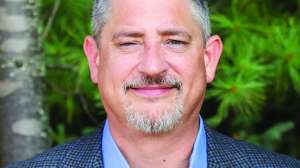
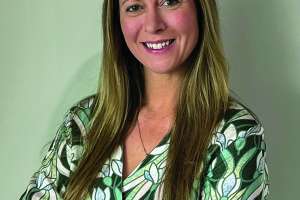
Felicia Morrissette, director of pellet marketing with Synagro, is SEBA’s interim executive director. She talked about the association, its history and its aims in an interview with Treatment Plant Operator.
TPO: What led to the decision to form an association for the southeastern states?
Morrissette: I’m based in New Hampshire, and I worked with Northeast Biosolids and Residuals Association early in my career. I started working more at a national scale in 2018. While visiting the Palm Beach Solid Waste Authority in Florida, I observed that new regulations were being developed by the Department of Environmental Protection. Seeing the direction in which things were moving, some of us felt a need to educate and advocate for biosolids. It became clear that some things we were doing in the Northeast could be replicated in the Southeast.
TPO: After that realization, how did SEBA take shape?
Morrissette: I identified some partners and we started getting the drumbeat going. COVID put that on pause, but about 2022 we started things moving again. It was a grassroots effort. We formally incorporated in Florida in 2023. Since then, we’ve been slow-rolling and gaining momentum. We’re looking to advocate for biosolids because we have seen the issues that have arisen in various parts of the country, and we want to get in front of them through education.
TPO: What are the key issues facing biosolids programs?
Morrissette: PFAS has been a significant issue in parts of the Southeast. Nutrients are another issue, notably in Florida, where many people point to that as a source of algae blooms in the waters. We want to publicize research being conducted showing that biosolids are a slow-release nutrient source that has less impact on the environment than commercial fertilizers.
TPO: What approach are you taking toward legislative initiatives?
Morrissette: We want to stay on top of bills that are on the table, especially as they relate to PFAS. We want to advocate for bills that aim to remove PFAS from textiles and other products. We also want to make sure that we maintain the three-legged stool of alternatives for managing biosolids for our communities.
TPO: How would you define the three-legged stool?
Morrissette: The three legs are land application, landfilling and incineration. When you lose one leg of a stool, it falls over. We have seen that happen in Maine, where they lost the land application leg. That has negatively affected communities in terms of cost and environmental impact. Maine also reduced landfills’ acceptance of construction and demolition waste from out of state. That severely limits the ability to bulk biosolids cake and requires shipping biosolids farther for management. So in the end, Maine is no longer sequestering carbon in the soil or recycling nutrients, and they’re sending biosolids to landfills, which are pressured for capacity and produce and emit methane. We want to maintain all three options, and we definitely don’t want to lose land application.
TPO: How would SEBA like to see the issue of PFAS in biosolids addressed?
Morrissette: We look a lot at the work being done in Michigan, which is a great model. They tested all their utilities’ biosolids and embarked on an industrial pretreatment program to reduce PFAS in their wastewater influent. It has been very impactful. They have seen decreases in PFOS and PFOA in their biosolids. That is a process we should all be advocating for.
TPO: Who is SEBA looking for as members, and how are they being recruited?
Morrissette: We have a website at sebiosolids.org, and we’ve started to advertise through there. We have membership categories for public-sector entities, private-sector biosolids generators, biosolids management companies and private entities such as engineering and transportation companies. We also have associate memberships open to students, regulators and others interested in the field.
TPO: What would you say are the most significant communication challenges the industry is facing?
Morrissette: The biggest challenge we have is getting the good stories out there. There are many positive and high-impact things our members are doing in terms of land application and their processes in cleaning water. We need to reach out to our elected officials and educate them on why that is important. We need to get traction with the public as well and make sure they are educated because they are a part of the story of how biosolids are created in cleaning water. If they’re not receiving that kind of information, then the negative stigma takes over.
TPO: Is it part of your role to help local utilities reach out to their publics?
Morrissette: Yes. To that end, we have two committees: Regulation and Legislative, and Membership and Outreach. Both are working to create tools and information. We’re monitoring legislation so we can keep our members up to date. We’ve also partnered with other regional biosolids associations to generate a document on national communication guidance on PFAS and biosolids management. We work with our counterparts to provide information for our utilities to pass along to their city councils and the public because if they understand the importance and the benefits of biosolids, it’s easier to have conversations with them.
TPO: What states does SEBA include?
Morrissette: At present, we cover North Carolina, South Carolina, Georgia, Florida and Alabama, and we have received inquiries from other states. We’re looking to get the organization running efficiently, and once we get to operating like a well-oiled machine in the initial five states, we hope to expand to others. As we gain momentum with memberships, we can eventually look to hire a permanent executive director. I’m trying to steer the ship during this startup period. We welcome people who want to join our committees, as well as those interested in serving on our board.
TPO: Does SEBA plan to connect with other organizations in the clean-water sector?
Morrissette: Yes. For example, we’re looking to connect with our state-level Water Environment Associations. That’s something our Outreach Committee will be working toward because water and biosolids go hand in hand. We’re all advocating for the same things.