An Idaho water pollution control facility aimed to increase sludge dryness and improve its ability to manage and transport cake solids.
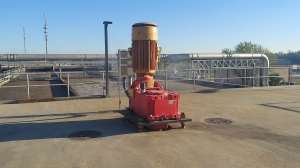
Background: This facility treats ~12 mgd using two circular DAF clarifiers to concentrate waste activated sludge that is then sent to digesters for processing. Anaerobically digested sludge is dewatered using screw presses, where a cationic emulsion polymer is applied. Cake solids range from 10%-12% dryness when dewatering is complete. Solids are collected on a skid and transported by truck to local farms. At 10%-12% dryness, volume ranges from 3.5 to 5.5 truck loads per day.
Problem: Operators were told their new screw presses could achieve cake solids dryness up to 17%. They discovered, however, that incumbent chemistry was unable to achieve this target.
Approach: CarboNet tested variants of SimpleFloc emulsion polymers, selecting 4081C, a NanoNet-enhanced formulation that improves performance with a lower volume of active polyacrylamide (PAM). The product implementation team initially achieved a 14% cake solids dryness with SimpleFloc, then identified and made several treatment improvements:
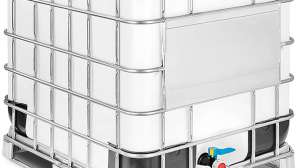
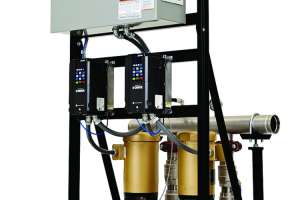
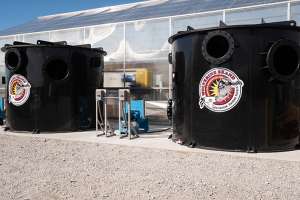
↳An aging tank was installed to improve sludge separation efficiency.
↳Dilution water was increased to improve how the chemistry spreads and reacts.
These changes brought solids dryness up to 16%-18% when using SimpleFloc. Tests confirmed there was no improvement when using the
incumbent chemistry.
Results: Switching to SimpleFloc improved cake solids dryness at similar or lower dosing compared to the incumbent in the same conditions.
The dry sludge is more stackable, meaning the facility can manage inventory more effectively on the skid. This is especially helpful during periods when solids cannot be applied to farm land. Improved dryness also reduces hauling needs by 33%, cutting annual costs significantly.
Entry 260874
Download Case Study