
California’s West Basin Municipal Water District has created a fun and engaging online detective game to teach children how to conserve water at home.
A part of the district’s Water Star Student Conservation Program, the Water Star Detective game was launched in 2010. It is an extension of a water recycling facility school tour program started in 1996.
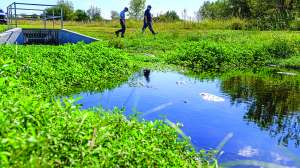
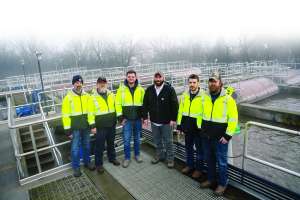
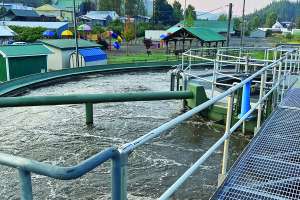
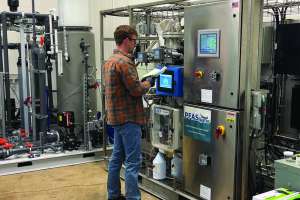
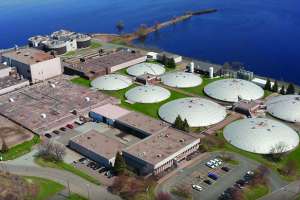
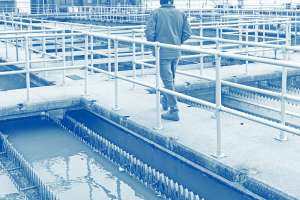
The district’s world-class Edward C. Littles Water Recycling Facility provides recycled water to commercial and industrial customers throughout its service area in Los Angeles County. Located in El Segundo, California, the facility produces 30-40 mgd.
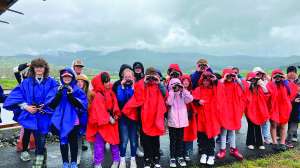
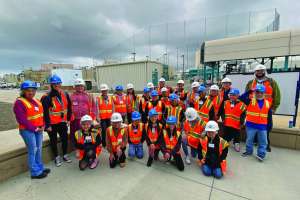
Every year, 3,000 to 5,000 students in grades 3-12 take part in the tour and program. The detective game is an entertaining part of the experience and augments the event.
It was created in 2010 by district staff members Alexis Tate, public information officer; Ron Wildermuth, communications manager; and Noelle Collins and Darryl Ramos-Young, public information specialists, with help from a consultant.
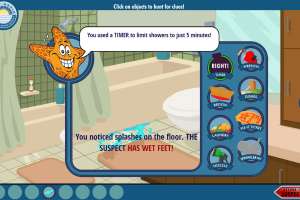
The program and the game were promoted directly to educators and through Facebook and Instagram. The online game begins with a sea star mascot (Water Star Detective) who represents the living organisms in the watershed. After that, eight monster characters pop up on screen to music inspired by the Law and Order television show theme.
The monsters represent bad behaviors that waste water. Through a series of clues, students decide which monster is the culprit. Bad behaviors include long showers, leaky faucets, dishwashers and laundry machines with less than full loads and hosing off driveways instead of sweeping. To encourage students to play repeatedly, the culprit clues change every time.
“The Water Star Detectives game is the first spark of learning for the kids on how to save water and preserve life in the watershed,” says Janel Ancayan, public information specialist.
“Through the game and the program, children learn how to recognize bad water behaviors at home and how to correct them. They learn to conserve water and how they can educate family members on using water more responsibly.”
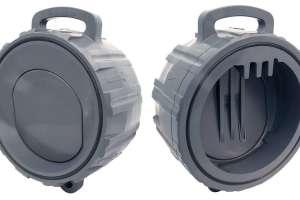
After taking the tour and playing the game, the kids receive a kit of items that they can use at home to help in their water-saving mission. The kit includes:
The game and program have been popular with educators and the students. Since 2010, more than 50,000 students and hundreds of teachers have taken part. With the take-home kit and the knowledge they gain about conservation, kids can educate family members, extending the district’s reach. The water savings from using the learning tools and information the kids are taught, average 20 gallons per person, per day, says Ancayan.
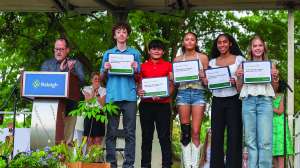
Students register on the district’s website that they are implementing family conservation measures and are entered in raffles for prizes that include bacteria plush dolls, also featured during facility tours.
In 2022 alone, through the efforts of children and families, the district estimated savings of more than 500,000 gallons.
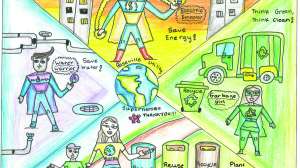
The district has programs other than the Water Star Student Conservation Program that encourage students to conserve water. Staff members speak in classrooms and take part in school assemblies. A student art contest focusing on water conservation.
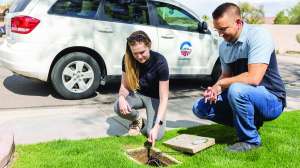
The district partners with schools to promote water careers, and staff members take part in school science, technology, engineering, art and mathematics programs and fairs. In addition, the district has a program in which students collect coastal water samples and work with staff to gain lab experience. The students analyze the samples for bacteria levels, and the data is published to encourage advocacy for watershed protection programs.
Ancayan was working at a school STEAM fairs when a student came up to her and told how much he loved the tour and how much he learned. She concludes, “We encourage all the students to consider a career in environmental science studies.”