Tribal communities come in multiple sizes with varied water and wastewater systems and differing needs for training and technical support.
Helping to meet those needs is the Office of Environmental Resource Management within United South and Eastern Tribes, an organization that serves 33 federally recognized Indian Tribal Nations along the East Coast of the U.S., and one nation in Texas.
In that office, Jason Sockbeson and colleagues offer a broad spectrum of support, helping Tribal Nations to staff, operate, maintain and develop their drinking water and wastewater treatment facilities and networks.
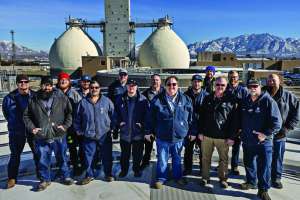
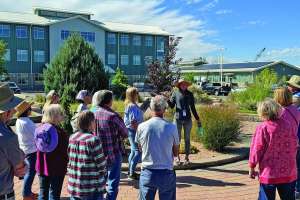
One annual feature of the support program is the Tribal Utility Summit, held March 31 to April 2 this year, hosted by the Poarch Band of Creek Indians at the Wind River Resort and Casino in Atmore, Alabama. About 60 tribal wastewater and drinking water operators attended for a full agenda of technical and education sessions and cultural events.
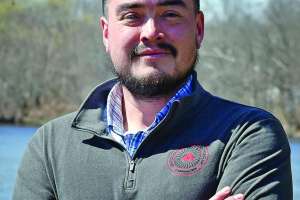
Sockbeson is a Tribal Citizen of the Penobscot Nation, whose reservation is on Indian Island on the Penobscot River in south-central Maine. He holds Grade 5 Wastewater Operator and Grade 4 Drinking Water Operator certifications, both the highest levels in his state.
In an interview with Treatment Plant Operator, Sockbeson talked about his organization’s services to tribal water and wastewater systems and operators and about the Utility Summit.
TPO: How do the Tribal Nations benefit from USET and its services?
Sockbeson: It was created to encourage strength in unity. One Tribal Nation taking its issues to the federal or state government might not be heard as well as if all the USET Tribal Nations speak with one voice.
TPO: What is the range of population the tribes USET serves?
Sockbeson: They range from larger nations such as the Seminoles, Mohicans and Pequots, to much smaller nations in the Mid-Atlantic and Maine. The populations range from 275 to 14,000 Tribal Citizens.
TPO: Do all of the USET Tribal Nations have centralized water and wastewater systems?
Sockbeson: Not all of them, but even in Tribal Nations served by private wells and septic systems, we still provide technical assistance. We’re still protecting source water and the environment, so we work with communities regardless of their needs.
TPO: What kinds of centralized systems do the Tribal Nations have?
Sockbeson: We see a wide variety of types of treatment. On the drinking water side, there are surface water and groundwater systems. In wastewater, nations operate lagoons, activated sludge plants, fixed-film processes, rotational biological contactors and more. The treatment methods run the gamut because our geographic coverage is from the very top of Maine to the southern tip of Florida.
TPO: How would you describe the services you offer on the water and wastewater side?
Sockbeson: We look at it as holistically as we can. We help with capital improvement plans, regulatory compliance, risk management, emergency response, training and capacity building, and asset management including standard operating procedures. We also help communities navigate funding opportunities. We offer technical assistance in much the same vein as circuit riders do for Rural Water Associations. We also have a certification program for water and wastewater operators.
TPO: How do operators access training and certification?
Sockbeson: Our certification program is U.S. EPA approved, and we have the ability to certify our membership in different disciplines: drinking water distribution and treatment, wastewater collection and treatment, and water and wastewater lab analyst. We have full-blown training and certification courses, but we also work with citizens individually or in smaller groups so we can really tailor the training to them and provide the CEUs they need.
TPO: How are the certifications managed across USET’s large geography?
Sockbeson: We work with Water Professionals International, a testing organization that many states and Canadian provinces use. One struggle we have with certification is dealing with all the requirements for different states. That is not unique to us; the reciprocity issue is a struggle for everybody in the industry. But we use WPI’s standardized exams. The way we look at it, our member Tribal Nations govern their certification programs. We just administer them.
TPO: Where do operators go to take their certification exams?
Sockbeson: We work with community colleges, libraries or schools. Really, all we need is an internet connection and a quiet place. We have the ability to go right to the Tribal Nation, give the training and proctor the exams right there. That’s important because many of the Tribal Nations are very rural. Their staffs and budgets can be tight, so it’s tough for people to get away. We offer travel stipends to help operators who attend training with travel costs.
TPO: Given the difficulty of recruiting into the water and wastewater sector, how do you find prospective operators to train?
Sockbeson: Ideally, the Tribal Nations find people within their communities. When they can’t find a Tribal Citizen who is capable of doing the work, they hire contractors to come in and operate the facilities. One of our goals is to support the building of tribal utility sovereignty. We advocate Tribal Citizens operating tribal systems.
TPO: How does the Tribal Utility Summit support the development of Tribal Citizen operators?
Sockbeson: We have a wastewater track, a drinking water track and a managerial and financial track, and through those we offer sections where participants can enhance not just technical skills but managerial and professional skills that they can take back. We hope Tribal Nations see that it is an investment in their futures — the sustainability of their community infrastructure. At this year’s summit, we offered a tutoring table with math primers and refreshers to help certification candidates study for their exams. Then on the final day, we proctored whatever exams people had signed up for.
TPO: Does USET have higher-end capabilities, such as engineering services?
Sockbeson: We do provide engineering. The way that works, a Tribal Nation reaches out with a technical assistance request, and we work with them. Whichever firm the Tribal Nation wants to use for their engineer, we will work with them and provide the funding and help them through the process. My colleague Michael Purvis is an engineer. Veronica Menta has a business degree, and I am maxed out on my water and wastewater certifications. So we have a lot of in-house expertise to draw on.
TPO: Do tribal communities have any special challenges in dealing with their utilities?
Sockbeson: They face a lot of financial barriers in operating their water and wastewater systems. Each Tribal Nation has its own unique relationship with state and federal governments. When tribal program and utility staff members get together at events like our summit, while their individual situations might not be the same, they still can troubleshoot and get ideas to bring back to help tackle problems at home.