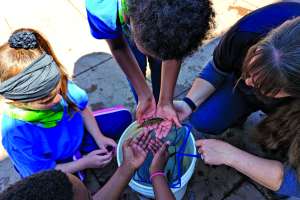
Industrial sunscreen cover system used for plant’s chlorine contact chambers
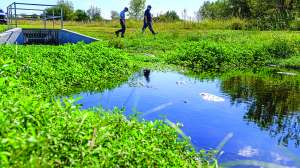
Problem: UV rays were creating algae growth in chlorine contact chambers at the Bradenton Florida wastewater treatment plant, to the point where the chambers required an expensive cleaning process two or more times a year.
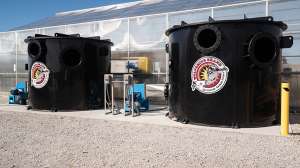
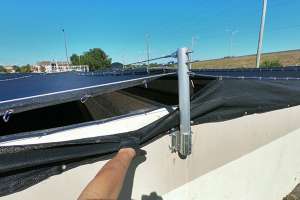
Solution: To remedy the problem, plant operators installed an industrial sunscreen cover system from J Mosher Enterprises - Industrial Sunscreens over the chambers that provides 90% UV protection.
Result: Algae growth is reduced by 99%. The chambers have been covered for eight years, and the chambers have not needed cleaning in that time. This cost-effective solution eliminated costly downtime to clean the chambers. 941-376-6465; www.industrialsunscreens.com

Gas scrubber mitigates chlorine gas at treatment plant
Problem: A wastewater treatment plant in the southeastern U.S. uses chlorine gas in its processes. To comply with U.S. EPA regulations, the Uniform Fire Code, and other requirements, all facilities that use chlorine must implement risk mitigation plans and engineering controls to address potential accidental gas releases.
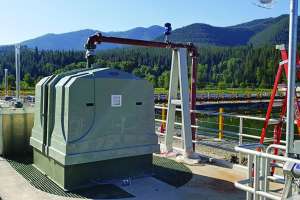
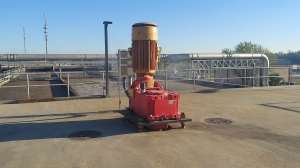
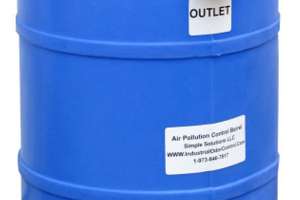
Solution: The plant installed an FOC-1 Fiberglass Emergency Gas Scrubber from Purafil - a Filtration Group Company. The system uses Chlorosorb Ultra molecular media, a nontoxic, dry-scrubbing material that works through chemisorption. In an accidental release, contaminated air is diverted into the EGS, where the media reacts irreversibly with chlorine gas, converting it into a harmless solid and removing it from the airstream. Purafil engineers designed the system to handle the worst-case scenario of a complete release from a 1-ton chlorine cylinder.
Result: Sixteen years after commissioning, plant personnel were alerted to a chlorine release. The EGS system operated as intended, effectively neutralizing the chlorine. There were no injuries, and no evacuations were necessary. 800-222-6367; www.purafil.com
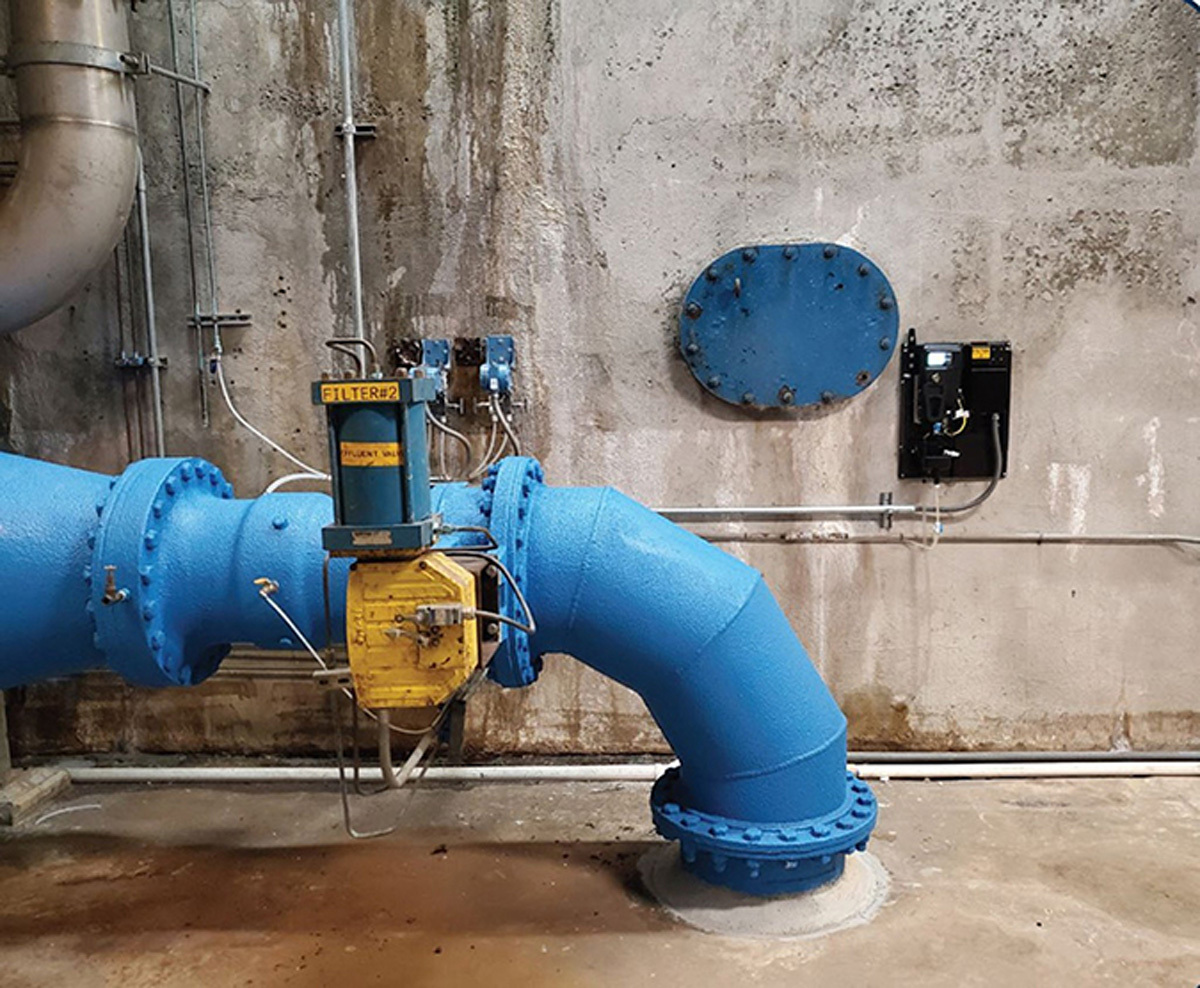
How water utility saves entire shift’s worth of an operator’s time weekly
Problem: Staff at the Jack H. Wilson Water Treatment Plant owned by Central Arkansas Water identified significant inefficiencies in process turbidity workflow. One operator spent six to eight hours per week cleaning the turbidimeters. In addition, the plant issued a standard operating procedure to collect a manual grab sample every four hours.
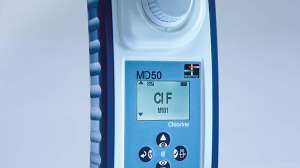
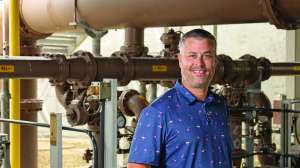
Solution: The plant team selected Lovibond PTV Series Process Turbidimeters. Alan Dickey, instrument technician II, says, “This is the only turbidity meter I have seen that worked correctly right out of the box.” The devices were easy to install and use, and required little maintenance. They are cleaned quarterly along with scheduled calibration.
Result: The plant continues to run monthly dry verifications on the turbidimeters. Operators found the instruments delivered data so consistently and reliably that they were able to end the grab samples. 800-922-5242; www.lovibond.com
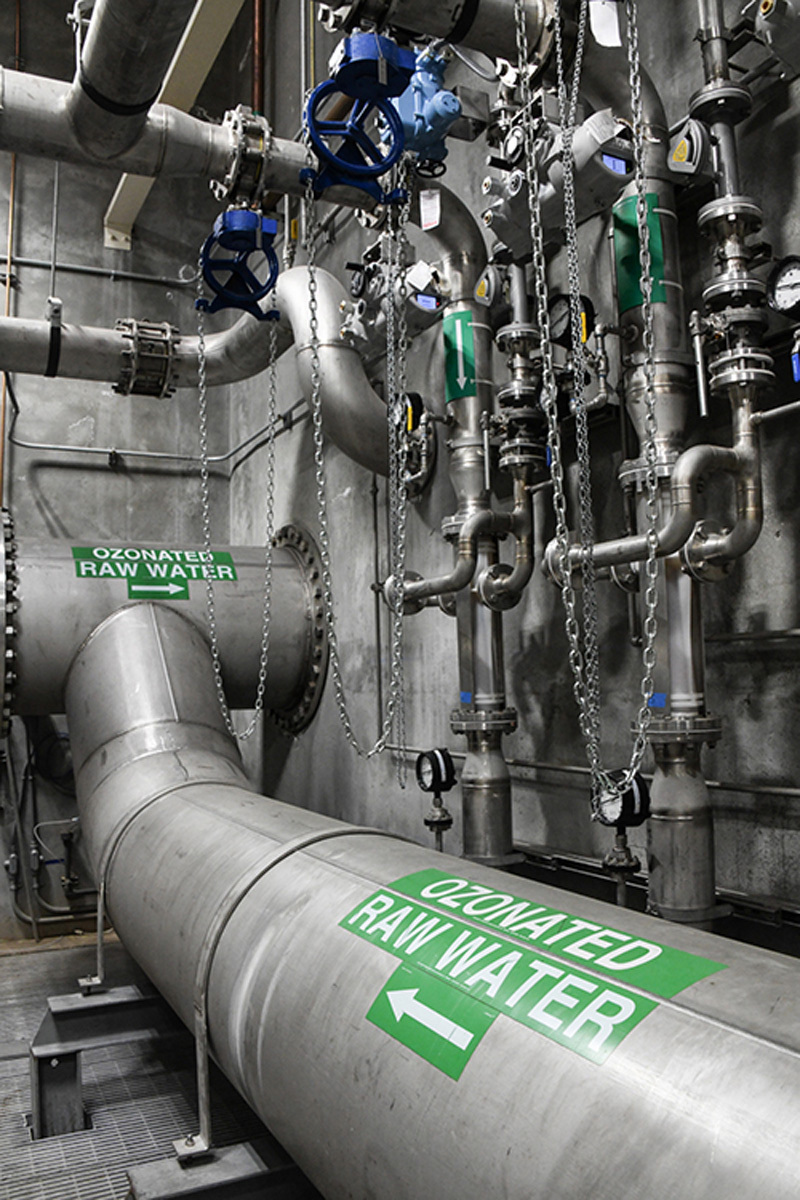
Optimizing treatment efficiency at Oregon water treatment plant
Problem: The Robert A. Duff Water Treatment Plant in Medford, Oregon, faced increasing demand. To increase capacity and enhance water quality, the Medford Water Commission implemented a major expansion to 65 mgd while integrating advanced ozone disinfection.
Solution: Critical to the upgrade was an ozone transfer system from Mazzei Injector Company. The project included four stainless steel sidestream injection skids, each with a venturi injector, pipeline flash reactor, and gas-to-liquid dynamic transfer contactors. This setup ensures optimal ozone dissolution and distribution. Modular design simplifies installation and provides operational flexibility. Operators can easily adjust flow rates and ozone dosing to meet varying treatment demands. The compact design saves space.
Result: The system achieved 98% ozone transfer efficiency, enhancing disinfection while reducing costs. The plant also benefited from the technology’s durability and low maintenance. 661-363-6500; www.mazzei.net

Aerators help optimize wastewater treatment
Problem: The city of Carleton, Oregon, faced challenges with its facultative wastewater lagoons, designed for a population of 1,000. The city had grown to 2,500 residents, and industrial loading further stressed the system. Unable to meet permit requirements, the city was under pressure from the state Department of Environmental Quality to upgrade the system.
Solution: The city chose Twister FL Floating Aerators from Titus Wastewater Systems for their ability to generate high volumes of dissolved oxygen, reduce algae and prevent TSS overages, all with minimal maintenance. Configured with side intakes, the aerators draw water in sideways, enabling them to elevate DO levels throughout the lagoon without disturbing the sludge. Tethered by a single rope with no stainless cables and connected to an on-shore blower for power, the aerators moved large volumes of water, maintaining consistent DO at 7 mg/L across the entire lagoon, even 1,000 feet from the units.
Result: The aerators achieved reductions of 95% in TSS and 98% in BOD. By maintaining consistent DO levels, the system ensured compliance and promoted bacterial activity to consume sludge without disruption. The city is expanding the system by adding more aerators and integrating automation controls for improved operational efficiency. 877-582-9899; www.tituswws.com