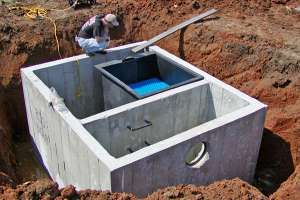
Plant upgrades treatment system during pandemic
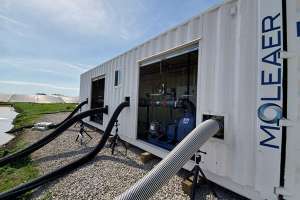
Problem: A local community wastewater treatment plant near the Indian Ocean in South Africa needed to be upgraded quickly, but during the height of the COVID pandemic, there was limited ability for the project managers to check out other installations and meet face to face with suppliers.
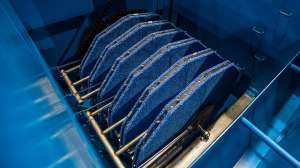
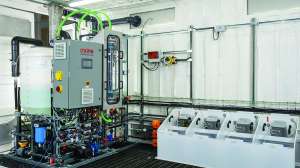
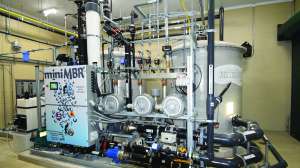
Solution: The customer chose a MyFAST 16.0 HS-STP system (BioMicrobics) for its low-maintenance, easy operation and high-quality effluent. Designed to treat up to 160,000 gpd, the system saw peak flow in the morning and dinner hours and another increase around midday.
Result: The system achieved a 79% reduction in ammonia, 74% in COD and 73% in orthophosphate; effluent nitrate was below the 0.5 ppm detection limit. The decentralized treatment plant offered lower initial cost and lower maintenance than central sewers. 800-753-3278; www.biomicrobics.com
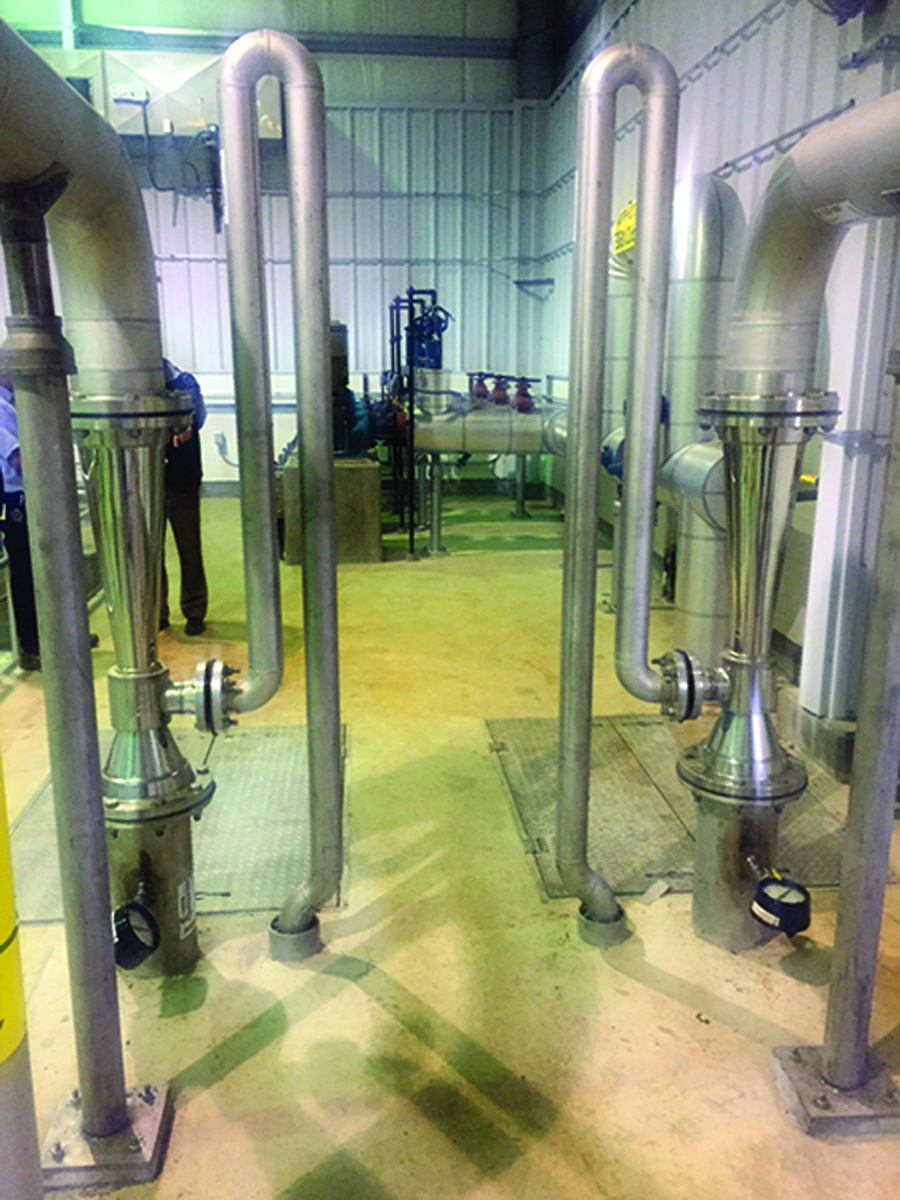
Plant uses sidestream ozone injection for arsenic and manganese removal
Problem: The city of White Rock, British Columbia, faced elevated arsenic and manganese in its drinking water sourced from the Sunnyside Uplands Aquifer. This prompted the city to build a water treatment plant with funding from the Clean Water and Wastewater Fund.
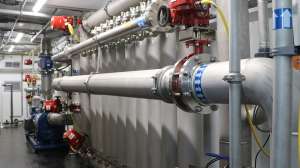
Solution: The White Rock Water Treatment Plant uses a multi-stage process to remove arsenic and manganese. The treatment includes pre-oxidation with ozone followed by manganese removal using Greensand Plus media filters and arsenic removal using Bayoxide E33 media filters. The ozone pre-oxidation enhances filtration and adsorption, improving the overall water quality. A key component of the plant is technology from Mazzei that mixes ozone into the raw water using sidestream injector skids and pipeline flash reactors. The system minimizes the facility footprint and limits the use of construction materials and chemicals.
Result: The process significantly improved water quality, increased storage capacity by 33%, and completed secondary disinfection. The use of ozone saves energy, reduces maintenance, and enhances safety for employees and residents. 661-363-6500; www.mazzei.net

Decanters reduce wastewater treatment hauling and operational costs
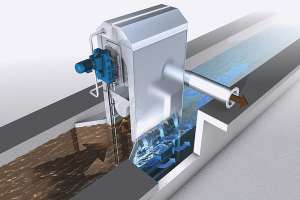
Problem: The Dry Creek Wastewater Treatment Plant in Erlanger, Kentucky, treats 46.5 mgd. High solids content in biosolids after centrifuging is critical to minimizing hauling and landfill costs.
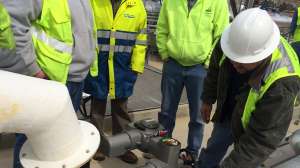
Solution: After an analysis of alternatives, the facility management team chose three decanter centrifuges from Flottweg Separation Technology.
Result: The resulting cake at 30% solid instead of 16% meant 47% less hauling cost. The facility also cut its dewatering equipment footprint in half and stabilized electricity costs. 859-448-2331; www.flottweg.com

Tank mixing keeps water pure in high temperatures
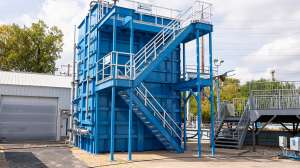
Problem: League City, Texas, halfway between Houston and Galveston, fights brutally hot weather for much of the year. One effect is thermal stratification in water storage tanks, which can result in nitrification of drinking water and the loss of purification chemicals. The city needed a mixing solution.
Solution: The city tried a large-bubble mixing system from Pulsed Hydraulics in a 1.5 million-gallon elevated storage tank. The system uses compressed air to create beach-ball-sized bubble masses at the tank bottom. Those bubbles race to the top, dragging cold water with them. This keeps chemicals in the solution and prevents thermal stratification. The system requires no moving parts inside the tanks. All in-tank components are stainless steel.
Result: After a successful test of the NSF-approved system, the city installed the mixing system in several of its water storage tanks. 800-641-1726; www.phiwater.com