County saves on polymer expense by using two-zone emulsion polymer activation system
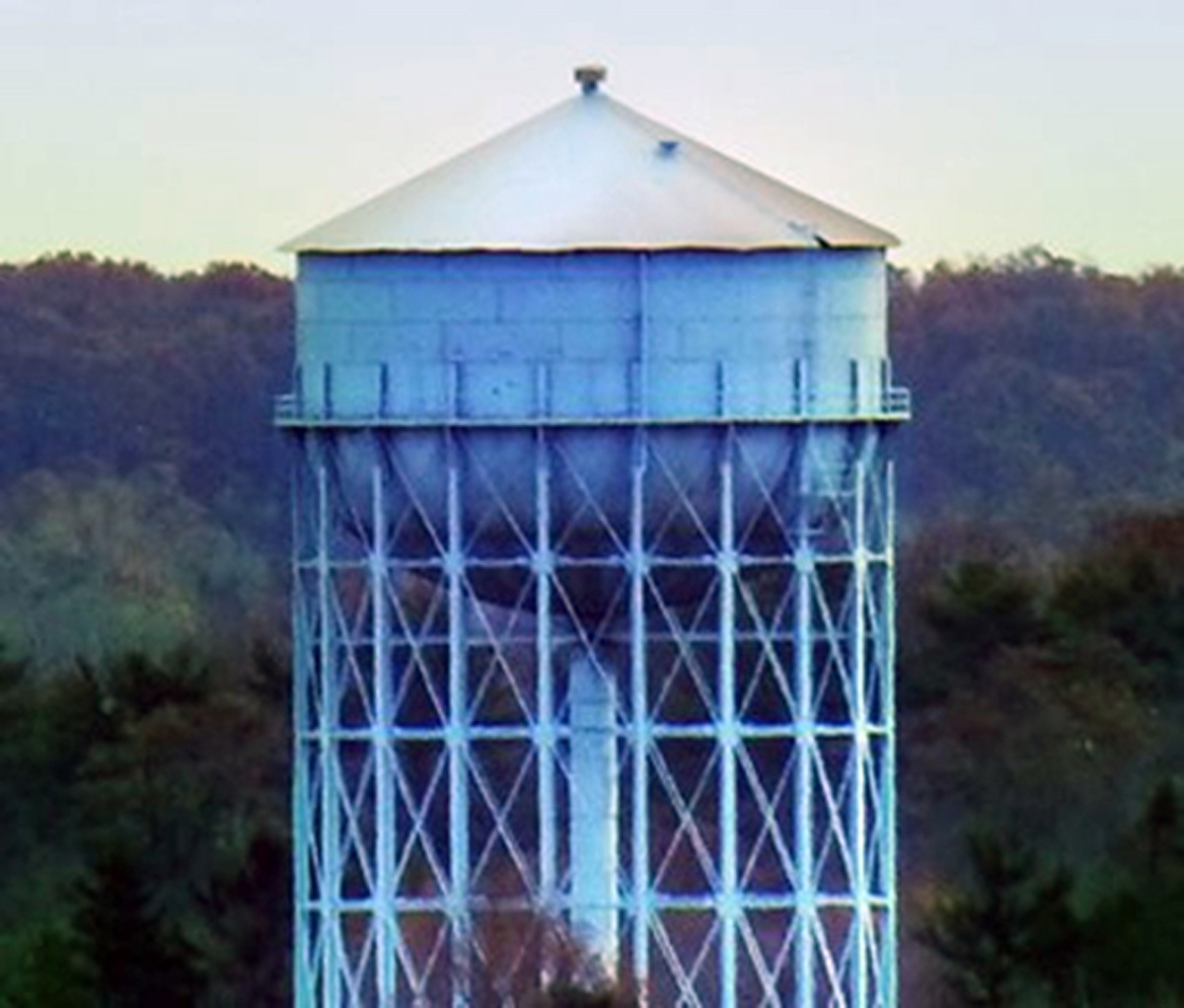
Problem: Aiken County Public Service Authority in South Carolina provides wastewater treatment services for the City of Aiken and numerous other towns and industries in the area. The plant’s treatment capacity was increased to 26 mgd from 20 mgd in 2019. Biosolids residuals or byproducts are 100% reclaimed and clean water is discharged to the Savannah River. The utility originally used a dry polymer system with mixing/aging tanks to create the polymer. However, this low-energy mixing system had trouble activating the polymer properly and often wasted polymer (estimates of about 15%) in the mixing tanks themselves.
Solution: The operation team wanted to test the emulsion polymer system before fully committing to a new system to be sure that the new system would generate the efficiency and performance they expected. They demoed a Polyblend Emulsion Activation Demo Unit from Cleanwater1 for one of the belt filter press lines.
Result: Overall polymer usage went down almost immediately after the system was activated. They went from two totes per week to one. Switching to the system also decreased costs by nearly 50%. 855-669-3845; www.cleanwater1.com
City optimizes treatment with bioaugmentation
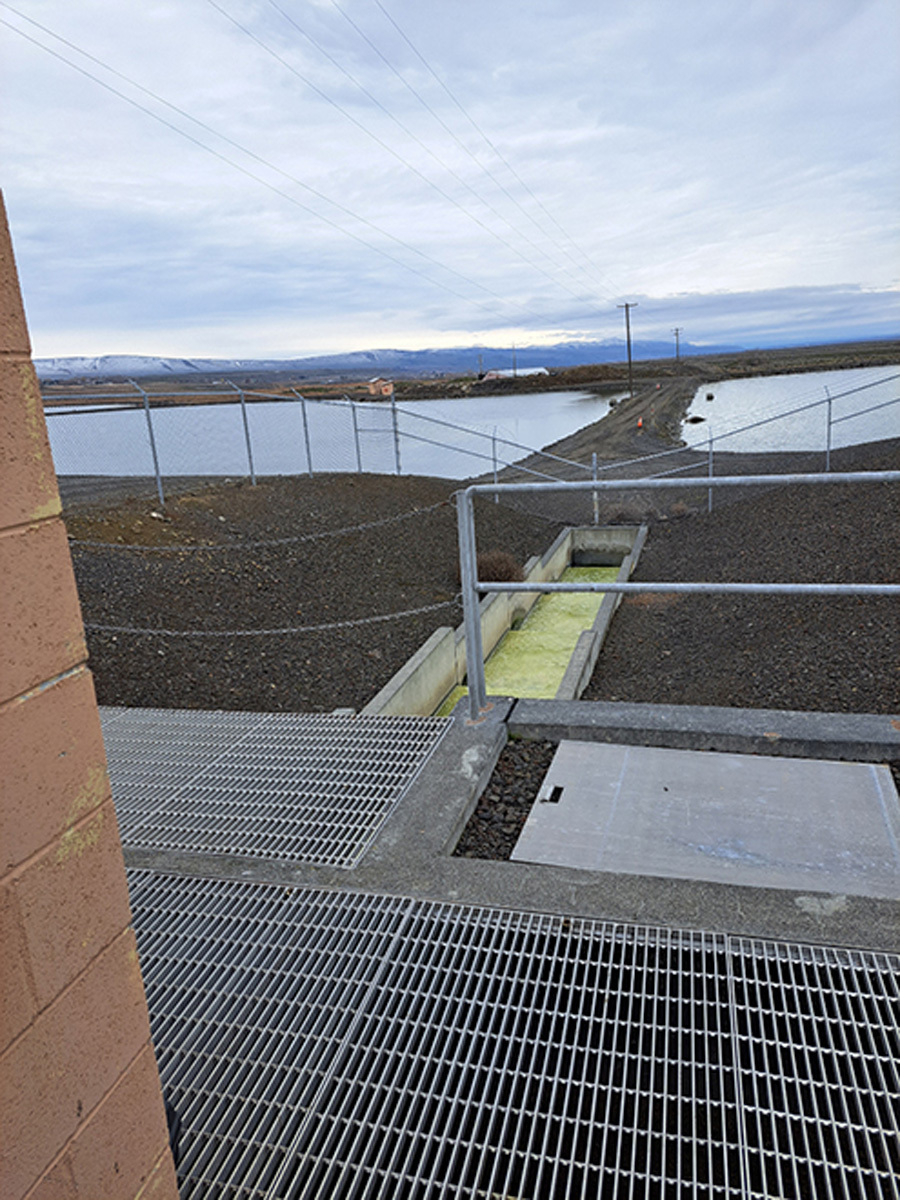
Problem: The facultative lagoon treatment system in Othello, Washington, had problems consistently meeting BOD and TSS permit requirements.
Solution: The city worked with EnBiorganic Technologies to implement the EBS-Di bioaugmentation system, which introduces organic bacillus soil bacteria into the wastewater treatment process. The additive is dosed with a continuous and automated approach.
Result: The process is expected to improve treatment efficiency and ensure compliance. “This trial enables us to see what impact the EBS-Di system will have,” says Shawn O’Brien, city engineer. “We hope it will improve our ability to meet our discharge requirements in all seasons.” 888-356-8333; www.enbiorganic.com
Process increases operational capacity of DAF units
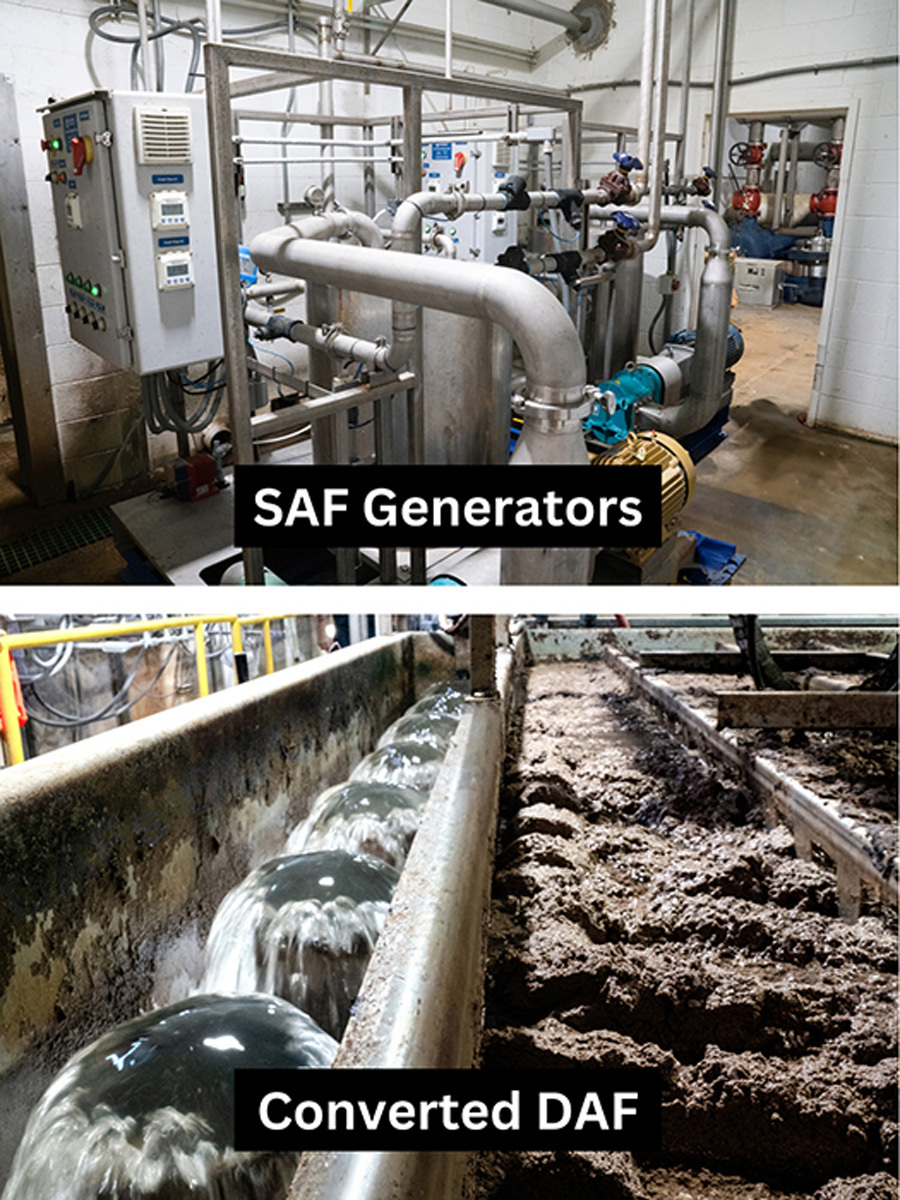
Problem: The team at a wastewater treatment facility in Topeka, Kansas, sought to enhance waste activated sludge thickening after the failure of two dissolved air flotation units that had operated for more than 50 years. Without the DAFs the facility had built up excess WAS that required storage.
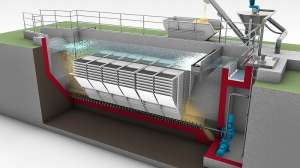
Solution: The staff explored the use of Suspended Air Flotation from Heron Innovators, which uses aphron-based technology. The process is designed to increase the solids content of waste activated sludge. It stood out for its use of micron-sized, charged aphrons that resist coalescence and bind to oppositely charged wastewater solids, enabling efficient solid-liquid separation. The process has a compact footprint and low power and chemical requirements and can manage suspended solids concentrations up to 16,000 mg/L.
Result: The SAF process eliminated the WAS inventory and enabled permit compliance while increasing DAF unit capacity. Testing indicated that SAF handled variable loads with influent TSS from 5,000 to 16,000 mg/L. The process proved to be less energy-intensive and more adaptable than the aging DAF systems. It enables easier operational tuning and effective thickening even with older sludge. 916-408-6601; www.heroninnovators.com

Nanobubbles eliminate odors, improve process efficiency and energy recovery
Problem: The Stavnsholt Wastewater Treatment Plant in Denmark experienced odors that generated complaints from residents. Ferric chloride addiction reduced the hydrogen sulfide smell, but not enough to stop the complaints.
Solution: Plant officials worked with TECHRAS Nano, channel partner of Moleaer in Denmark, to install a mobile nanobubble generation unit on the primary clarifier. The nanobubble generator pulled wastewater from the primary clarifier effluent channel and discharged it into the influent chamber. Its design capacity was 11,000 pounds per day; it only took a half day to install. The technology produces bubbles 70 to 120 nanometers in diameter. Due to their small size and lacking buoyancy, they stay suspended and move in random motion. Nanobubbles also inhibit the anaerobic conditions that cause H2S formation.
Result: The process significantly reduced odor complaints during summer and stopped them during the rest of the year. Daily consumption of ferric chloride with the nanobubble process was 34 liters per day versus 212 liters per day previously, an 84% reduction. Electricity consumption fell 5.3% even though the plant was operating with higher mixed liquor suspended solids. 424-558-3567; www.moleaer.com

Wet well mixing system eliminates grease and debris buildup
Problem: Cumming, Georgia, faced a severe buildup of grease and other debris in pump stations, causing pump clogging and expensive service to clean wet wells. In addition, there was a pump station generating significant odor problems for the neighborhood.
Solution: Pro Pump Solutions of America provided the PHi-CA wet-well mixing system from Pulsed Hydraulics developed by Steve Buckley and C3ND Environmental Consulting. The city installed the mixer to eliminate the grease buildup. City staff believed the thorough mixing would also mitigate the pump station odor problem.
Result: The wet wells now remain free of debris accumulation, and the city has eliminated the expense of time-consuming pump unclogging and wet-wells cleaning. The mixing process also mitigated the odor problem. 508-742-7324; www.c3ndenviro.com

Wastewater treatment facility switches to Class A biosolids
Problem: The Concordia (Kansas) Wastewater Treatment Facility produced aerobically digested liquid Class B biosolids for land application. Facing stricter U.S. EPA regulations and reduced demand for its biosolids, the city was forced to haul the material to a landfill 35 miles away, at significant expense. Liquid land application was limited by weather.
Solution: The city evaluated composting, thermal drying and lime stabilization before choosing the Schwing Bioset advanced alkaline stabilization process. This, along with a more effective dewatering screw press, provided optimum cost, ease of operation and maintenance and odor control. It fit within the plant’s design constraints while producing a Class A product.
Result: The screw press dewaters waste activated sludge to 22% solids for feeding into the Bioset process. The city no longer needs to haul biosolids to the landfill. The Class A material is land-applied year-round and is not restricted to specific fields. The city has begun to transition away from digesters, saving more money. 715-247-3433; www.schwingbioset.com