Super station chooses biotrickling filter odor-control technology
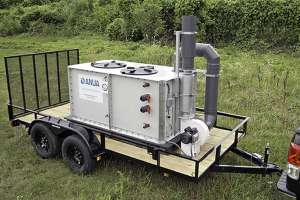
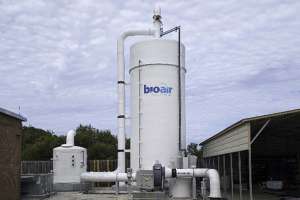
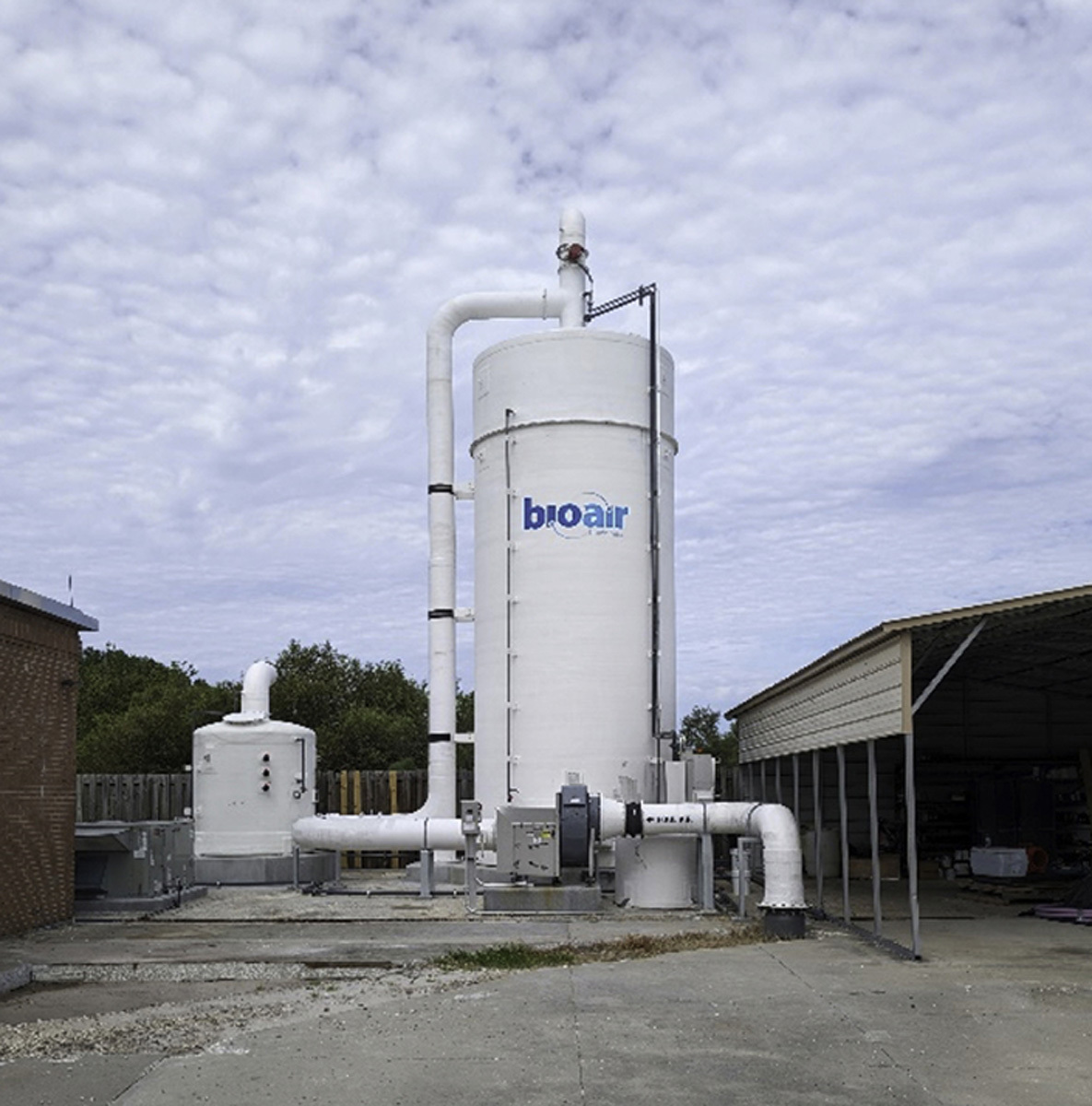
Problem: The Woodberry Super Station in Hillsborough County, Florida, pumps up to 17 mgd to the Falkenburg Advanced Wastewater Treatment Facility. The odor-control system was to be replaced with a biotrickling filter followed by a carbon polishing filter and ductwork to allow either unit to operate independently.
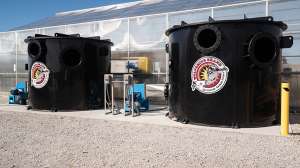
Solution: The EcoFilter biotrickling filter odor control technology (BioAir) was selected for its ability to treat very high hydrogen sulfide loads and the ability of the EcoBase media to remove relatively high concentrations of methyl mercaptan. The system is environmentally friendly and inexpensive to operate, and it requires minimal operator attention and maintenance.
Result: The average inlet hydrogen sulfide concentration was 456 ppm with a peak of 734 ppm; the average outlet concentration was 0.0245 ppm, greater than 99.9% reduction. Methyl mercaptan inlet concentrations were 5 ppm and outlet concentrations were below the detection limit. The average hydrogen sulfide concentration at the outlet of the carbon polishing stage was 0.001 ppm. 856-258-6969; www.bioairsolutions.com
Anaerobic product used to seed portable wastewater unit
Problem: The Canadian Department of National Defence Excellence and Security held a pop-up City Contest intended to inspire innovative solutions for fuel, water, and wastewater logistics to support 150 people in relocatable temporary camps used by the Canadian Armed Forces.
Solution: The Circular City consortium (Innocorps Research Corp., Eco-Growth Environmental, Pop Up City, Saskatchewan Research Council, and Harmony Desalination Corp.) won the $2 million contest by implementing BCP35M from Bionetix International in a portable water reuse system. The team engineered the water-recycling technology by designing a mobile direct potable water reuse system with up to 90-95% water recovery. The unit includes an advanced wastewater treatment system with a one-third scale blackwater system that uses BCP35M to rapidly seed wastewater startup in less than two weeks. Microorganisms that treat the wastewater produce natural surfactants to separate wastes into smaller droplets, increasing their bioavailability. BCP35M was chosen because of its diverse microbiology to target a wide range of contaminants from organic wastes to petroleum wastes.
Result: The wastewater recycling system is seen as an important step toward greening temporary army camps by improving their environmental footprint and will also be useful for private campsites. 514-457-2914; www.bionetix-international.com
Hypochlorite system leads to significant savings
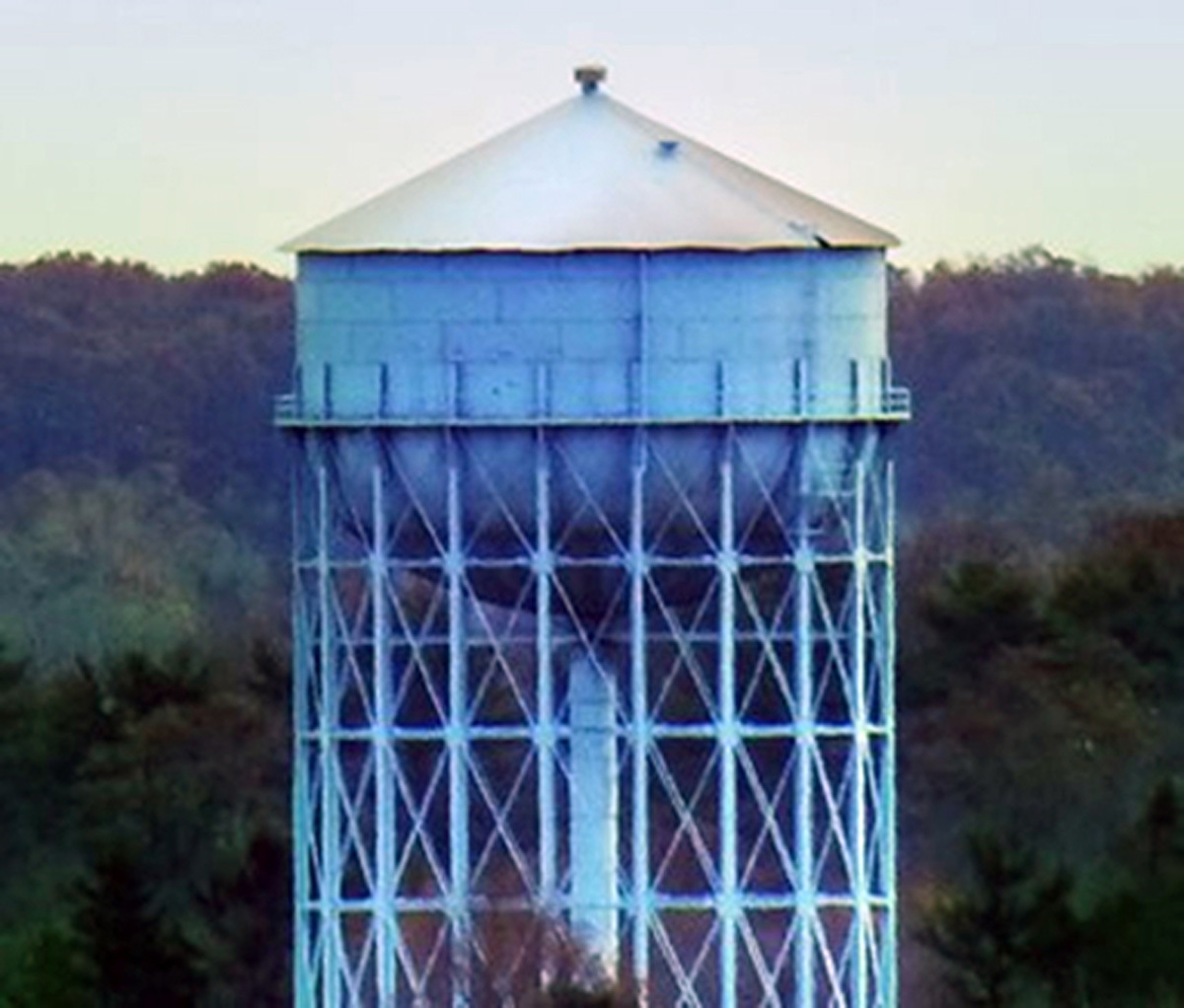
Problem: The Big Cottonwood Water Treatment Plant at the mouth of the Big Cottonwood Canyon is one of three water treatment facilities serving Salt Lake City via 1,300 miles of transmission and distribution pipe. The plant implemented a bulk hypochlorite system in 2003. After seven years on that system, utility leaders chose to switch to on‐site hypochlorite generation for safety and cost savings.
Solution: The plant staff selected two 600-pound-per-day (1,200 pounds of chlorine equivalent) Microclor on‐site hypochlorite systems from Cleanwater1. Modular multi‐cell systems in a vertical configuration vent byproduct hydrogen passively with no chance of pressurization.
Result: The systems generate disinfectant at a concentration of 0.8%, 20% below the hazardous material threshold. The plant meets its sodium hypochlorite demand for slightly over one-third the cost of trucked-in bleach while being safer for operators and residents. No special hazardous materials training or equipment is required to operate the system. 858-218-3745; www.cleanwater1.com

Technology defeats odor problems at school and park
Problem: A pump station near an elementary school and park in the Agua Special Utility District in Palmview, Texas, had significant odor complaints. The pump station had hydrogen sulfide levels above 200 ppm, creating odors to the point where the school would not allow the children to play in the school yard or park.
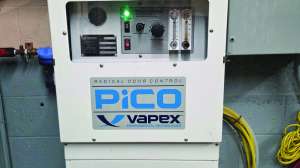
Solution: The municipality sought bids odor-control systems for four pump stations experiencing high hydrogen sulfide levels. The engineering firm considered biological and chemical injection systems and ionization technology. The Terminodour ionization system (Kusters Water) won the bid and was installed in 2018.
Result: The system reduced hydrogen sulfide levels to less than 2 ppm at the wet well and stopped the odor complaints. School children now can play in the park. The system also keeps corrosive gases from attacking and deteriorating the concrete inside the wet well. 864-576-0660; www.zimacorp.com
System injects concentrated oxygen to treat iron and manganese
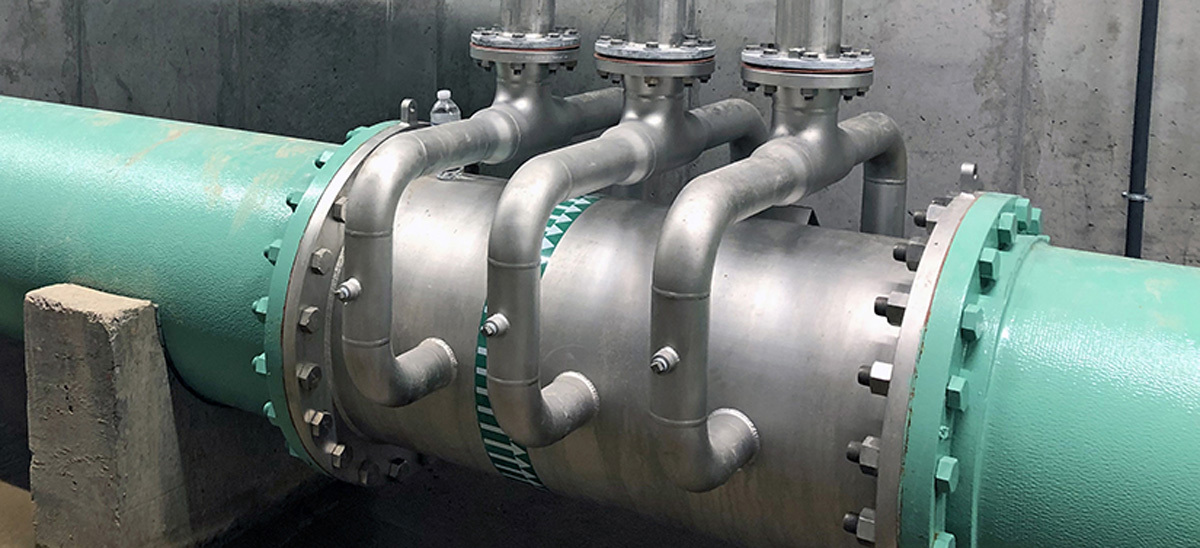
Problem: The Clapper Road Water Treatment Plant in Bethlehem, New York, included chlorine injection into the raw water to oxidize dissolved iron and manganese. While the plant was designed to treat 6 mgd, the chlorination process was limited to 3 mgd. In 2013, after the U.S. EPA began requiring stricter monitoring of trihalomethanes, the plant was in violation and community leaders quickly commissioned a plant improvement.
Solution: A new pretreatment facility was installed to inject concentrated oxygen to oxidize the dissolved iron and help oxidize dissolved manganese. The process uses an in-line gas contacting system (Mazzei Injector Company) consisting of three oxygen injection skids and a single pipeline flash reactor a two-on-duty, one-on-standby configuration to provide flexibility to handle turndown and redundancy requirements. This system is simple to operate and requires a small footprint.
Result: The system and other upgrades implemented enabled the plant to reduce THM levels by 40-50%, improve the efficiency of the dissolved air flotation system, and expand treatment capacity to 8 mgd, all without adding to plant operators’ workload. 661-363-6500; www.mazzei.net

Nanobubbles combat odors, improve process efficiency and energy recovery
Problem: The Stavnsholt Wastewater Treatment Plant in Denmark faced persistent odor complaints. Despite attempts at treatment with ferric chloride, the odor persisted, leading to a search for a solution for the plant, designed to handle 5,000 kg (11,000 pounds) COD per day.
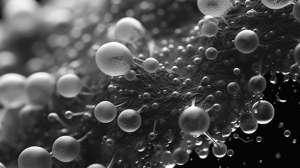
Solution: Partnering with TECHRAS Nano, the plant implemented nanobubble technology (Moleaer) in November 2022. The nanobubble generator emits bubbles 10,000 times smaller than conventional fine bubbles, inhibiting anaerobic conditions that breed malodorous compounds.
Result: Summer odor complaints significantly decreased, ceasing entirely in other seasons. Ferric chloride usage was reduced by 84%. Primary clarifier efficiency improved as shown by lower chemical use and a 10% increase in sludge solids content. Energy consumption dropped by 5.3% despite higher mixed liquor suspended solids. Biogas production and methane concentration increased significantly. Based on these successes the plant team opted for a permanent installation starting in spring 2024. 424-558-3567; www.moleaer.com