It has become necessary to use not only lightweight, but also sustainable and ecological materials in new construction applications. Paneltim plastic panels check all those boxes.
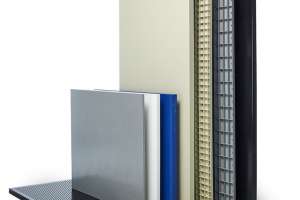
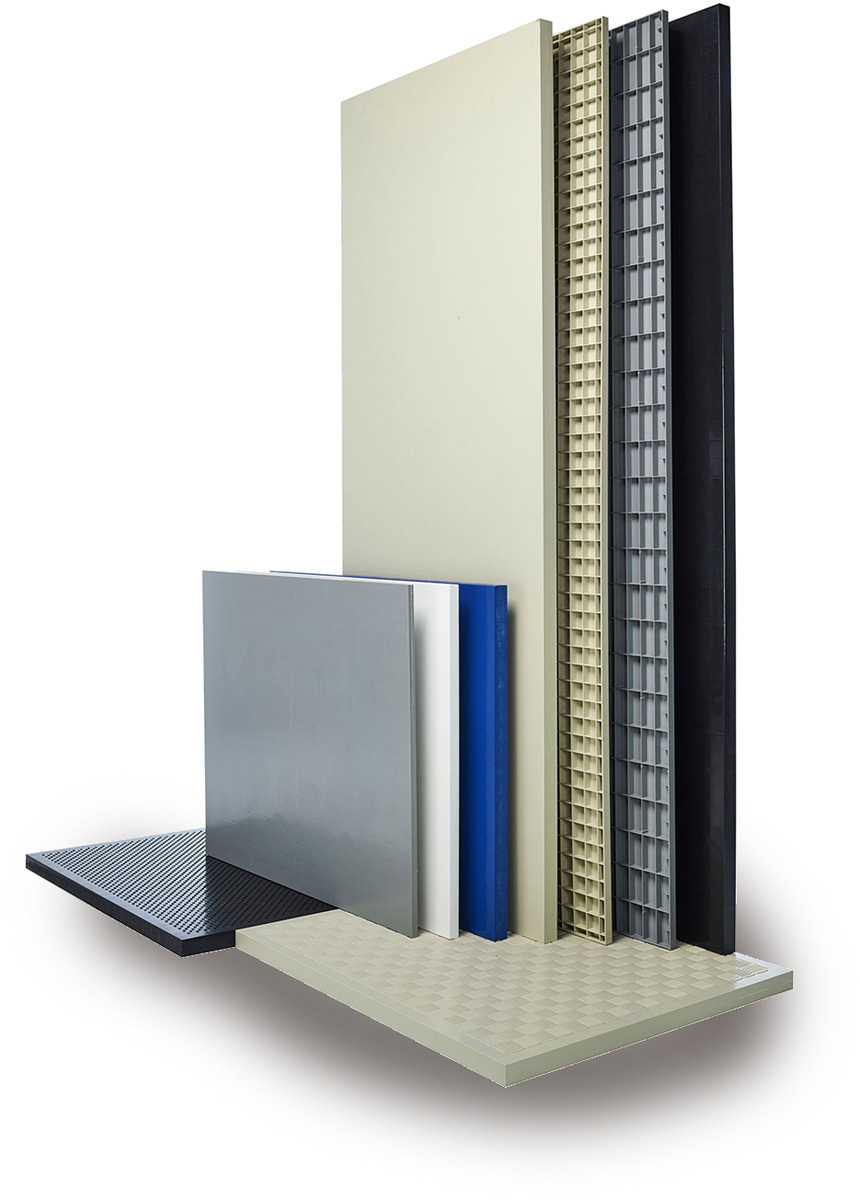
The panels are hollow and therefore lightweight, but thanks to their internal cell structure, they are strong and rigid. This makes them extremely suitable for building all kinds of structures that must be light, yet sturdy.
“While initially used for fabricated wastewater treatment and septic tanks, Paneltim is actually employed in greater volume to ancillary structures for tank and liquid management needs,” says Patrick Shabal, Paneltim business development manager. “In addition to tanks, common nontank applications include technical rooms, tank covers, baffles, platforms/walkways/cross-overs, secondary containment and drip trays, machine bases and mechanical organization frames, pump pallets and valve vaults.”
In addition, Paneltim panels are easy to process with standard hand tools, and according to Shabal, you can quickly weld them together to any desired size. The panels are made from polypropylene copolymer (known under the older name polypropene) or high density polyethylene (also called polyethene). All the panels are therefore made of one component so that they can be easily recycled at the end of their life. This way they retain their raw material value.
“Originally created for animal penning in the agricultural market, the panels have evolved over the years, getting larger and more precise,” says Shabal. “Meanwhile thermofusion welding equipment and techniques improved. It was a natural transition for Paneltim to become an industrial design and fabrication material. The same lightweight, strong, durable, chemical and moisture-resistant benefits recognized and adopted by agriculture make Paneltim ideal for liquid management industrial applications.”
Because of its twin-wall internal grid structure. Paneltim can be welded into 3D fabrications quickly, not requiring any framework or fasteners. The panels don’t require corrugations, beading, molded ribs or framework for stiffness, and their internal matrix of ribbing provides strength and rigidity.
“Our panels are nearly hollow so they are lighter weight than solid and many laminated panel materials,” says Shabal. “These uniquenesses translate to ease of handling, fabrication and transportation savings.”
Shabal says that feedback has been overwhelmingly positive. “After a while, Paneltim becomes a ‘go-to’ workhorse material,” he says, “where customers transition to monomaterial design and construction right out of the blocks, eliminating frame building and panel attachment with a multitude of materials and fasteners.”
513-652-1080; www.paneltim.com