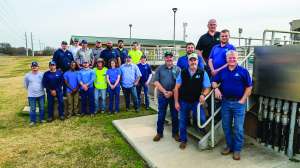
A Wayne State University research team has secured a three-year, $473,566 grant from the Great Lakes Water Authority to tackle the major environmental and operational challenge of optimizing phosphorus removal.
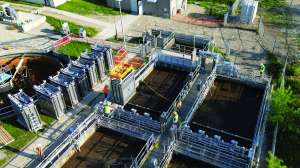
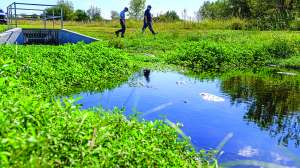
The initiative targets the GLWA Water Resource Recovery Facility, the country's largest single-site wastewater treatment plant. Managing flows from 77 communities, including Detroit, across a 1,000-square-mile sewer shed, the facility plays a critical role in keeping excess phosphorus out of Lake Erie and the Rouge River. Without effective removal, phosphorus can trigger large, harmful algal blooms.
To ensure the plant can meet increasingly strict environmental regulations, researchers will conduct deep chemical analyses to map exactly how phosphorus travels through the facility. From a practical standpoint, the team is setting up bench-scale treatment models to run controlled, side-by-side tests of biological and chemical removal methods. They also plan to develop new predictive software models. These tools will allow facility operators to adjust and improve their phosphorus filtration in real time based on data-driven insights.
Beyond the immediate infrastructure upgrades, the collaboration serves the secondary purpose of hands-on workforce development. By involving university students directly in the research, the GLWA and Wayne State are actively training the next generation of wastewater treatment professionals. Ultimately, this partnership aims to deliver practical, scalable solutions that protect both regional water resources and public health.
Read more about it at Wayne State University.