
Water and wastewater treatment plants might not seem like obvious targets for intrusion. Still, there are reasons why individuals or groups might attempt to enter — and so there are good reasons to keep the facilities secure.
One risk is that saboteurs may target treatment plants with intention to harm the environment or public health. Disrupting treatment, resulting in release of untreated water, can have severe consequences that include drinking water contamination and harm to aquatic life.
In addition, treatment plants represent critical infrastructure, vital for public health and sanitation. Terrorist organizations or extremist groups may view these facilities as targets, aiming to cause mass disruption or instill fear and panic.
Some intruders may seek to steal valuable resources, such as chemicals or equipment, that can be sold for profit on the black market. Theft of copper wiring and piping is a common problem at industrial sites including treatment plants. In other cases, a disgruntled person may try to disrupt treatment operations as a form of protest or retaliation.
In sum, ensuring the security of treatment facilities is essential to warding off threats and protecting the integrity of communities and the environment. Layered security provides the best approach to protection.
Layered security is not just a concept; it’s a strategic necessity, especially when safeguarding vital infrastructure. Treatment facilities, often sprawling and complex, require meticulous planning to make sure every vulnerability is addressed.
Imagine the layered approach as peeling back the layers of an onion, starting from the skin perimeter and progressing inward. Determining the starting point hinges on various factors, such as previous security incidents, budget constraints and executive decisions.
For instance, if unauthorized individuals have previously breached the plant’s perimeter, fortifying the outer fence line becomes paramount. In identifying starting points, it is essential to engage security personnel in dialogue about system weaknesses and desired improvements.
To gauge vulnerabilities accurately, it is important to document past breaches, whether minor intrusions or blatant attempts. Education centers and other public areas within the premises require tailored security measures to control access while ensuring public safety.
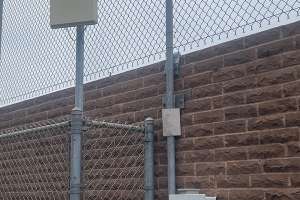
Erecting fences, implementing environmental designs, and vetting visitors are standard practices to enforce a secure perimeter. But outer fencing is just the beginning. Buffer zones beyond the initial perimeter provide another layer of defense and can incorporate sophisticated sensor technologies.
Advanced sensor systems strategically placed along a perimeter fence and within buffer zones can detect intrusion attempts. Fence-climbing and cut-detection sensors trigger alarms upon detecting tampering or breach attempts on the perimeter fence.
Ground vibration sensors provide added security by detecting footsteps or movements near the fence line. By dividing the perimeter into zones, security personnel can swiftly pinpoint breach locations and intervene before intruders gain access. Person-detection algorithms help identify and track intruders. Line-crossing detection devices can monitor perimeter boundaries.
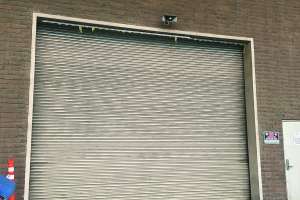
Complementing sensor systems, surveillance cameras play a pivotal role in threat assessment. High-definition cameras provide clear visuals during daylight, while thermal cameras excel in nocturnal surveillance, detecting body heat even in complete darkness. Pan-tilt-zoom cameras offer flexibility, enabling security staff to monitor suspicious activity with precision. Lighting throughout the premises optimizes surveillance effectiveness.
Extending beyond the facility grounds, surveillance cameras can monitor surrounding areas. Integration with person-detection analytics enhances intrusion detection, alerting security to unauthorized movements. Rooftop-mounted cameras offer expansive coverage. Integration with intelligent video analytics further enhances surveillance capabilities.
rity. Access control mechanisms can be deployed to high-priority infra>span class="s6">structure like power stations and pumping facilities. Intrusion detection systems, motion detectors, glass-break sensors and door position switches safeguard entry points.
The integration of door entry and door prop alerts enhances security responsiveness, allowing preemptive action against potential threats. Surveillance cameras paired with these systems provide real-time monitoring, empowering security personnel to assess threats swiftly.
Robust access-control measures also help safeguard critical infrastructure. These systems monitor and regulate entry and exit points to sensitive areas, ensuring only authorized personnel can access vital equipment and facilities. Biometric authentication, proximity card readers and keypad entry systems are commonly used to authenticate personnel credentials and grant access permissions accordingly.
In striving for comprehensive security, it’s vital to appreciate the dynamic nature of security threats. The landscape is constantly evolving, driven by technological advances, geopolitical factors and the ever-changing tactics of malicious actors. Therefore, a proactive and adaptive approach to security is essential.
Emerging technologies such as artificial intelligence, machine learning and the Internet of Things hold great promise for enhancing security systems’ effectiveness. For example, AI-powered analytics can analyze vast amounts of data from surveillance cameras and sensor networks, enabling predictive threat detection and proactive risk mitigation.
Machine learning algorithms can continuously refine security models based on evolving threat landscapes, ensuring security measures remain effective. Similarly, IoT devices can enhance situational awareness and facilitate real-time decision-making, providing seamless connectivity and data exchange between various security systems.
For example, IoT sensors embedded in access-control systems can monitor personnel movements and detect anomalies in behavior patterns. Furthermore, advances in biometric authentication offer robust and reliable means of verifying personnel identities and controlling access to sensitive areas.
Biometric modalities such as fingerprint recognition, facial recognition and iris scanning provide secure and convenient authentication methods, reducing reliance on traditional access control measures such as keys or access cards.
Continuous monitoring and proactive response are essential components of an effective security strategy. Plant personnel must be equipped with the tools and training they need to respond swiftly to security incidents and potential threats. Regular security assessments and audits help identify vulnerabilities and areas for improvement.
Collaboration and information sharing are also critical to effective security strategies. Partnerships with law enforcement agencies, government authorities and industry stakeholders can facilitate intelligence-sharing and coordinated responses to threats. Participation in industry forums, conferences and working groups allows plant operators to stay abreast of emerging threats and security management best practices.
Ultimately, comprehensive security for treatment plants requires a holistic approach combining physical, technological and organizational measures. By integrating advanced technologies, proactive risk management and collaborative partnerships, plant operators can mitigate security risks and safeguard critical infrastructure against a wide range of threats.
Security is a multifaceted challenge that demands a comprehensive and proactive approach. As the threat landscape evolves, treatment plant operators must remain vigilant and adaptable. By embracing innovation and best practices, plant personnel can effectively protect public health and safety and safeguard the environment, now and in the future.
About the author
Jerry Morris (jerry.morris@lacity.org) is a communications supervisor in the city of Los Angeles Information Technology Agency.