The water professions need skilled and dedicated people who understand and value the concept of service.
Who fits that description better than military veterans? They’re a group that the New England Water Environment Association is targeting with the Water Warriors Jobs Initiative.
The WWJI, started about 10 years ago, is an effort by NEWEA and its affiliate state associations to recruit and retain U.S Armed Forces veterans into the clean water and drinking water field. It aims to help counteract the wave of retirements in the water professions by bringing transitioning service members into water operation careers through:
The project coordinates with the military’s Transition Assistance Program, designed to help service members either retiring or leaving after shorter tours of duty prepare for private-sector careers and other aspects of civilian life. Among those driving the WWJI are John Hart and Peter Goodwin, P.E.
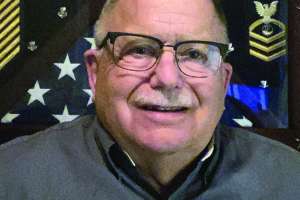
Hart, a retired clean-water plant and collections systems operator and longtime NEWEA and Maine Water Environment Association member and officer, is now an equipment manufacturer representative. He is also a 32-year member of the U.S. Coast Guard Reserve. Goodwin is a semi-retired engineering consultant and also a NEWEA and MEWEA member and officer. The two talked about the jobs initiative in an interview with Treatment Plant Operator.
TPO: What was the urgency behind launching this jobs initiative?
Hart: Experienced people in New England and elsewhere were leaving the water sector. For example, at the time we began, drinking water and clean-water operator licenses in Maine had dropped by more than 11% in the previous five years. In addition, more than half of the state’s licensed operators were over 50 years old, and many had enough years of employment to be retirement eligible.
TPO: In brief, how did the WWJI get started?
Goodwin: The seeds were planted in 2011-12 when I was the NEWEA state director for Maine and we would meet in Washington with members of our state’s congressional delegation during WEF Water Week. We talked about the graying of the workforce and the need to attract new blood, and they showed interest. By 2015, the NEWEA board supported the idea. We formed a committee, discovered the TAP programs, decided to focus there.
TPO: How did you choose to focus your personal effort on behalf of the WWJI?
Hart: Given my connection to the Coast Guard, I knew how many people were transitioning out in the Northeast every year. That seemed to be a viable target audience. Military members still have plenty of discipline, expertise and drive to apply before they retire completely.
TPO: How does the TAP program function?
Hart: It is a Department of Defense program that has been around for decades. They give presentations to groups of military personnel who are about to transition out. As part of the program, they invite people from various sectors to talk about career paths. It’s a jam-packed five-day program that advises veterans on what to expect from life in the private sector.
TPO: What materials have been created to support the jobs imitative?
Hart: The Maine WEA developed brochures on the various positions available in the water sector: operator, lab technician, maintenance and others. NEWEA created PowerPoint on the Water Warriors program as well as a video funded by the Woodard & Curran consulting firm. Kevin Cronin, who leads the Coast Guard’s TAP program in New England, incorporates these materials into the TAP sessions. He is a force multiplier for our initiative.
TPO: How many veterans are being reached through these presentations?
Hart: Kevin reports that more than 250 separating and retiring active-duty personnel attended TAP seminars in 2025. At those events, information about NEWEA and Water Warriors program was shared. Attendees received Water Warriors handouts and points of contact and viewed the Water Warriors video.
TPO: What traits make military veterans good candidates for water careers?
Hart: They are mission-focused and team-oriented, and they appreciate the concept of service. Another facet is experience in crisis management and dealing with chaos; in the military sometimes you have to react to an emergency on a dime. They also have experience with decision-making; part of that is risk management, assessing the job in terms of life and safety.
TPO: What gets military veterans excited about water careers?
Hart: It’s that no two days are the same. It’s the camaraderie within the workforce and the professional growth opportunities. A couple of veterans have mentioned to me that it’s a feel-good career in that you’re doing good for the community and taking care of public health.
Goodwin: Many service members have young families, and a solid compensation package is important to them. Another advantage is that they can work in water or wastewater anywhere. About a third of departing service members go back to where they grew up. A third go to where their spouse grew up, and another third stay near where they were last stationed. There’s also the team aspect of working in a utility. There’s a chain of command like in the military. And they can climb that ladder and become a superintendent, or go to a bigger district.
TPO: Can you give an example of someone who came into a clean-water career as a result of the Water Warriors Jobs Initiative?
Hart: One young man I met through the Coast Guard TAP took a tour of the South Portland Wastewater Treatment Plant, where I started my career in the late 1970s. I thought the tour would take an hour; we left about four hours later. He was elated with what he saw and the people he met, and he said, “John, now I have to figure out what I need to do.” He is working there now and is very happy with the career path, and his colleagues are pleased with his performance. He is an electrician on the maintenance side.
TPO: Is the regional jobs initiative limited to recruiting military veterans?
Goodwin: It is actually a part of the New England Work for Water Collaborative, which was created in 2022 by NEWEA and the New England Water Works Association, along with drinking water and clean-water associations. Its purpose is to address water workforce challenges throughout the region.
TPO: Can veterans receive support for licensing as they pursue water careers?
Goodwin: Yes. In New England, historically, someone with a college degree could receive credit for two years of experience and so be able to sit for an exam above the entry level. But there was no such ability for someone with completely analogous military training and experience. We persuaded the licensing boards in New England to give two years’ credit for that experience. So, for example, instead of an entry-level Grade 1 exam, veterans can now sit for a Grade 3 exam, have that on their résumé and qualify for a higher position at a utility.
Hart: In addition, the Coast Guard and other service branches have the Credentialing Opportunities On-Line program. It’s a scholarship program that supports licensing preparation for outgoing active duty service members looking to enter technical professions.
TPO: Are any other military programs available to support efforts at recruiting?
Goodwin: The Department of Defense SkillsBridge program allows departing service members to take a six-month internship or apprenticeship in the private sector while retaining military pay and benefits. It’s a way to gain civilian work experience and build a résumé. NEWEA has been working to get water and wastewater utilities on the list of eligible industries.
TPO: What’s ahead for initiatives to recruit veterans into water careers?
Hart: I would like to see them expand into other branches of the service. In New England the Coast Guard is the strongest service branch. I would like to see these initiatives touch the service branches across the board — for example, the Navy in the Chicago area because of all the training facilities, or the variety of branches in Virginia.
TPO: How would you characterize the success of the Water Warriors Jobs Initiative?
Hart: I can’t put a tangible number on it, but I feel that, for example, if we in New England can gain a couple of people per year from this program, that’s two we wouldn’t have had otherwise. And once someone gets involved and understands the opportunity, they will let their comrades or shipmates know what these careers are all about.
TPO: How optimistic are you about the future of the water and wastewater workforce?
Hart: As a manufacturer’s rep who visits many plants in Maine and New Hampshire, I’m enthused to see the number of younger people coming into the field, from the military or other walks of life. I think they like the stability of a recessionproof career, and they like what we do day-to-day. As I visit facilities, I ask young operators and engineers how they like their job. I haven’t had anybody say they don’t like it.