A high-quality fluorescence spectrometer can be beneficial in the water treatment process by providing rapid, real-time monitoring of dissolved organic matter and pollutants. In essence, it creates a unique “fingerprint” of water quality to assess treatment effectiveness, identify contamination sources, and allow for immediate adjustments to chemical dosing or treatment processes, leading to better efficiency and compliance.
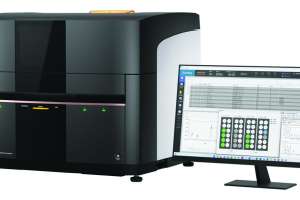
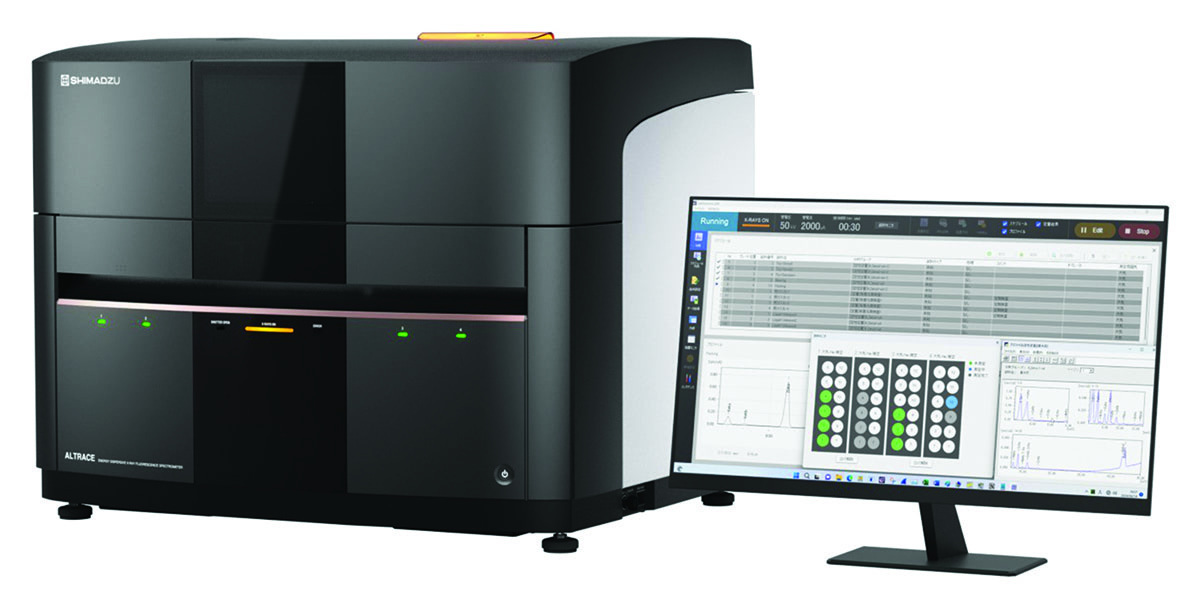
Shimadzu Scientific Instruments recently released the ALTRACE energy dispersive X-ray fluorescence spectrometer, designed with the latest X-ray optical system and high-speed signal processing technology to achieve outstanding high-sensitivity analysis. This instrument is ideal for detecting hazardous heavy metals and inorganic elements from sodium to uranium across diverse industries including water and wastewater treatment, food safety and mining. It offers a faster, more detailed alternative to traditional methods like BOD/COD tests, enabling operators to quickly see how treatment stages affect organic composition and ensure water meets quality standards.
Operators can conveniently analyze trace elements in liquid, solid and powder samples with minimum sample preparation. The improvement in detection limits, driven primarily by a high-energy 65 kV X-ray tube and a proprietary high-count rate detector, enables analysts to detect and quantify even lower trace elements. In addition, users can efficiently implement batch elemental analysis from the ppm to percent levels.
The X-ray fluorescence spectrometer features a primary X-ray filter that removes background and improves signal-to-noise ratio. It is equipped with six primary filters (eight types, including open and attenuator) that the system’s software automatically exchanges. Unlike atomic absorption spectrometry and ICP optical emission spectrometry processes, the ALTRACE requires only minimal sample preparation before analysis. Eliminating the sample digestion process lowers costs and simplifies screening, while enabling precision analysis using the same sample. This means it’s possible to obtain sub-ppm level detection without the need for complex chemical pretreatment of samples.
To improve throughput and efficiency, the system is equipped with a drawer-style 48-position autosampler that can accommodate aqueous solutions and other liquids, such as organic solvents, as well as powder and pellet samples. Operators do not need complete analysis in order to start sample preparation. During analysis, users can add new samples and adjust the analysis schedule.
800-477-1227; www.ssi.shimadzu.com