Microplastics are quickly becoming one of the most pressing issues for wastewater treatment plants. These tiny particles, often less than 5 millimeters in size, come from sources like synthetic clothing fibers, degraded plastics, and personal care products. Once they enter the wastewater stream, their small size makes them more difficult to filter out completely.
While primary and secondary treatment processes can capture a portion of microplastics, studies show that a significant amount still makes its way through to receiving waters. This not only threatens aquatic ecosystems but can also re-enter the human food chain via seafood and drinking water.
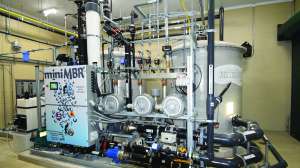
Innovative solutions are emerging, such as advanced filtration systems, biofilters, and even chemical processes designed to break down these persistent pollutants. Treatment plants are also exploring public education campaigns to reduce microplastic inputs at the source.
Tackling microplastics will require a combination of improved technology, regulatory action, and community engagement. It’s a big challenge, but one worth addressing to protect both the environment and public health.