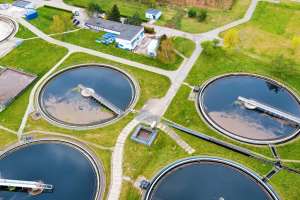
Did you know that wastewater treatment plants can transform sewage into a valuable energy source? Through a process called anaerobic digestion, organic waste in sewage is broken down by bacteria in oxygen-free environments, producing biogas — a mixture primarily composed of methane. This biogas can be captured and utilized to generate electricity, providing a renewable energy source.
For example, the Blue Plains Advanced Wastewater Treatment Plant in Washington, D.C., captures methane gas to power approximately one-third of its operations. This showcases the potential of biogas in reducing energy costs and environmental impact.
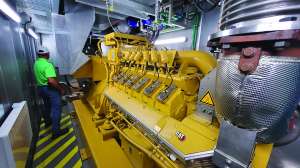
Similarly, the Philadelphia Water Department’s Northeast Water Pollution Control Plant employs biogas cogeneration, meeting about 85% of its electrical needs through on-site biogas production.
By harnessing the energy potential of wastewater, treatment plants not only manage waste but also contribute to sustainable energy solutions, turning what was once considered waste into a valuable resource.