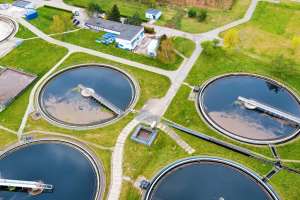
Built in 1974, the Jim Hinkle Spring River State Fish Hatchery is on a 7-acre island in the Spring River near Mammoth Spring, Arkansas. The hatchery is one of the largest state-owned trout-producing facilities in the southeastern United States and is the Arkansas Game and Fish Commission’s only cold-water facility. Every year the hatchery produces 650,000 to 800,000 rainbow trout for Arkansas tailwater trout streams and spring creeks. It also provides trout for the seasonal Family and Community Trout Fishing Program and the winter trout-stocking program in southern Arkansas. Future additions to the hatchery include brown trout and tiger trout.
Water for gravity-fed hatchery comes from the Spring River near the Spring River Dam at a rate of about 70,000 gallons per minute. The hatchery consists of 56 tanks, 21 linear raceways, 11 round fiberglass silos and 24 round concrete silos. The dam was built in 1910 to generate electricity for Mammoth Spring but is no longer operational as a hydro-electric dam.
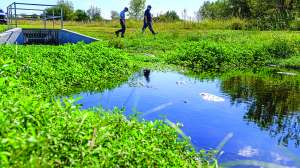
Removing debris carried by the river before its water enters the hatchery is important to keep the waters at optimal conditions for fish farming. Trout depend on moving water for survival, and debris can slow water flow to a point that it’s not healthy for the fish. The freshwater intake at this facility has a high volume of weeds, stringy material and vegetation that jeopardizes the water volume for the downstream fish hatchery production. The performance of screening equipment ahead of the production process is vital to the complete operation of the facility.
To remove this debris, the hatchery was using an aging, locally constructed screening device that required a high amount of maintenance and labor. Especially during heavy rain and floods, cleaning the screens was an all-hands-on-deck event that required manual debris removal to keep the river flowing through to the hatchery.

In extreme circumstances, the screens would have to be removed, leaving it all up to the inlet bar grate to keep the hatchery from getting overloaded with debris. And afterward, sometimes for days, cleaning the screens and bar grate required workers in diving equipment to go below the surface of the water to clean out muck, vegetation and debris. Any decrease in water flow was also a decrease in dissolved oxygen, which posed a serious threat to the survival of the trout.
Harvest Rake screens ensure dependable debris removal
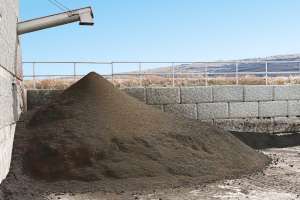
In 2023, the hatchery installed two Duperon Harvest Rake screens to replace the old manual screens. The Harvest Rake screens collect debris upstream from the hatchery and deposit it on a conveyor belt, which automatically returns it to the river downstream of the hatchery. This process allows the hatchery to remain debris-free while minimizing impact on the natural debris flow of the river. With the previous system, debris collection and offloading back into the river was all done manually.
The Harvest Rake is specifically designed to manage high volumes of aquatic vegetation and is an especially good solution for sites that have side currents, backflow or channel turbulence. As an automated system, the Harvest Rake is reducing labor requirements for the hatchery. The setup includes speed control that can be adjusted for large debris and above average flow conditions, such as after a large rain event. The installation at Jim Hinkle also includes a rear spray bar that ensures the conveyer is always clear and ready to accept debris from the rake.

The Arkansas Game and Fish Commission required environmentally responsible equipment that would not disrupt the existing wildlife upstream or downstream of the hatchery, while also ensuring that mechanical equipment would not expose natural wildlife to hazardous chemicals. The Duperon Harvest Rake met all environmental compliance requirements.
Harvest Rake proves its worth during flood
On July 13, 2023, a major rain event caused flooding and a 3-foot rise in the Spring River near Mammoth Spring in three hours. Had the previous system still been in place, hatchery manager BJ Vandiver would have had to call in at least two workers for “flood duty,” which in this case would have lasted all night, as the river crested at around 11 p.m. These workers would have spent the night manually removing debris from the screens to ensure that water kept flowing into the hatchery. Once the flood had passed, Vandiver estimates it would have taken at least a week to clean out the screens and remove all flood debris from the intake area in order to return to optimal flow rates that ensure trout survivability.
For the Harvest Rake, however, the flood was no match. Vandiver said he reported to the hatchery to check on the equipment and was relieved to see the Harvest Rake dutifully and easily removing large amounts and large pieces of debris from the screens while allowing the river water to continue flowing safely into the hatchery. Not only did he not have to call in additional workers; he himself was able to return home.
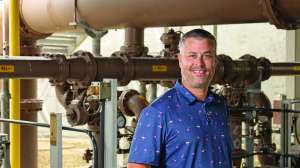
“With the Harvest Rake, the screening of the river is no longer something I have to worry about,” Vandiver says. “I don’t worry about it getting clogged up, I don’t worry about a large log damaging it, and I don’t worry about losing fish during a heavy rain.”