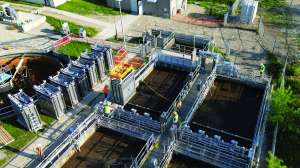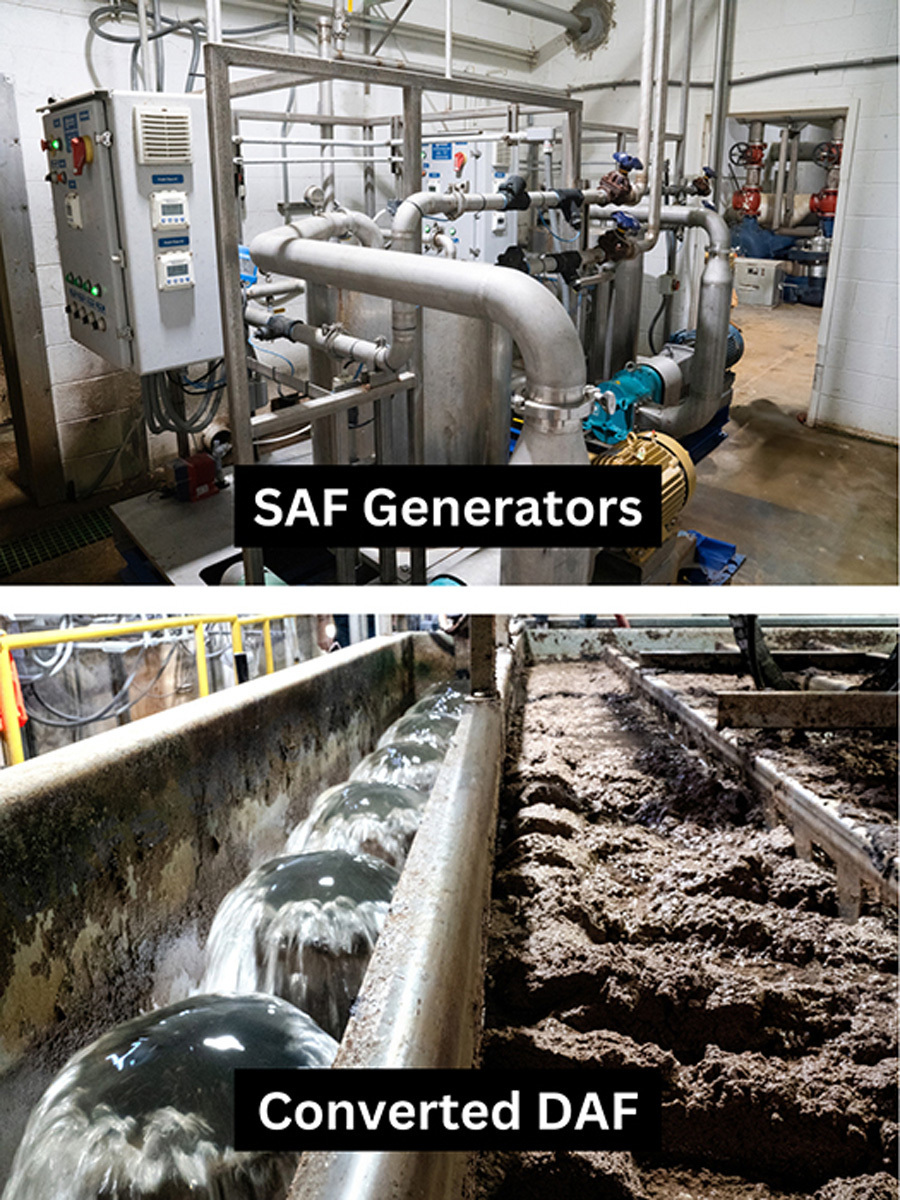
Problem: The team at a wastewater treatment facility in Topeka, Kansas, sought to enhance waste activated sludge thickening after the failure of two dissolved air flotation units that had operated for more than 50 years. Without the DAFs the facility had built up excess WAS that required storage.
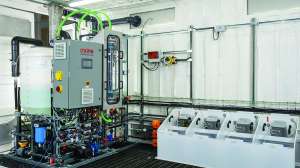
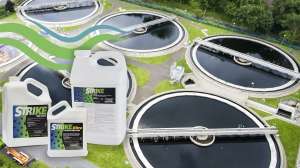
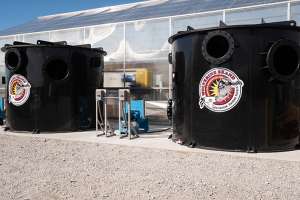
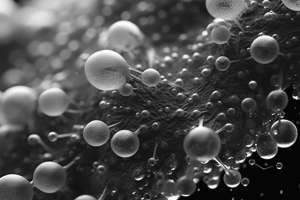
Solution: The staff explored the use of Suspended Air Flotation from Heron Innovators, which uses aphron-based technology. The process is designed to increase the solids content of waste activated sludge. It stood out for its use of micron-sized, charged aphrons that resist coalescence and bind to oppositely charged wastewater solids, enabling efficient solid-liquid separation. The process has a compact footprint and low power and chemical requirements and can manage suspended solids concentrations up to 16,000 mg/L.
Result: The SAF process eliminated the WAS inventory and enabled permit compliance while increasing DAF unit capacity. Testing indicated that SAF handled variable loads with influent TSS from 5,000 to 16,000 mg/L. The process proved to be less energy-intensive and more adaptable than the aging DAF systems. It enables easier operational tuning and effective thickening even with older sludge. 916-408-6601; www.heroninnovators.com