The primary clarification process, while not typically the largest energy user in your plant, can contribute significantly to overall costs. That cost can rise even further due to factors like large tank size requirements, sludge handling and disposal needs, potential for upgrades like chemical coagulation, and the need for ongoing maintenance to ensure optimal performance, especially in situations with high influent solids or flow rates.
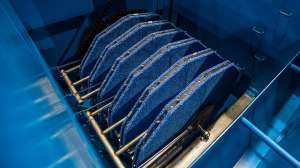
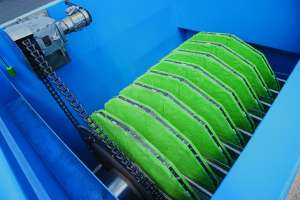
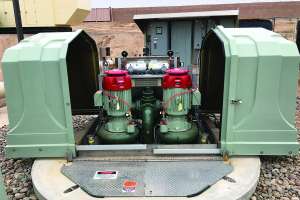
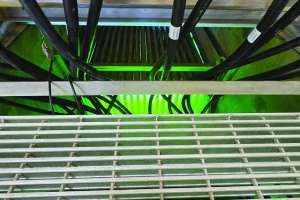
The AquaPrime cloth media filtration system from Aqua-Aerobic Systems is designed as an economical and efficient solution for the treatment of primary wastewater and wet weather applications. This system utilizes a disk configuration and OptiFiber PF-14 pile cloth filtration media to effectively filter high solids waste streams without the use of chemicals. According to Vedansh Gupta, product manager — AquaPrime/AquaStorm, this system is ideal for primary wastewater treatment and wet weather applications due to its proven removal efficiencies and high quality effluent, even under varying influent conditions.
“Its ability to handle high solids loading rates without chemical additives, combined with a compact footprint, makes it a transformative alternative to conventional primary settling basins,” he says. “The system offers multiple modes of solids removal – settling, floatables collection, and filtration – ensuring exceptional performance in diverse conditions.”
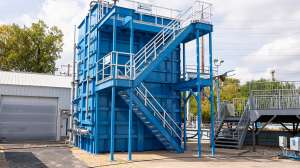
The AquaPrime system is designed to handle a wide range of flows in a fraction of space compared to conventional primary clarifiers. The system’s high solids removal in comparison to conventional treatment puts the technology in the advanced primary treatment category. It provides reduced carbon loads to downstream secondary treatment process, resulting in aeration energy savings of approximately 20 to 30%. With reduced carbon load, AquaPrime helps in increasing capacity in existing secondary treatment processes or reduced basin size for the secondary process upgrade (footprint savings). Additionally, the system increases primary solids for anaerobic digestion for increased biogas production (by up to 30 to 40%). This biogas can be utilized for energy generation or heating within the facility. Overall, AquaPrime requires 75-80% less space compared to traditional sedimentation systems.
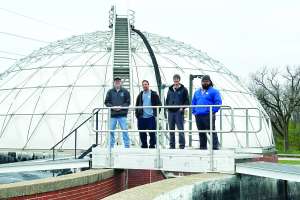
“Customer feedback has been overwhelmingly positive, with clients highlighting the system’s high-efficiency solids removal, ease of operation, and substantial reductions in energy usage and infrastructure costs,” says Gupta. “Both pilot studies and full-scale implementations, such as a 30 mgd system in Illinois, have consistently demonstrated its ability to meet or exceed performance expectations. Its versatility and dual-use capability have been recognized as transformative for utilities seeking to update their treatment processes.”
815-654-2501; www.aqua-aerobic.com