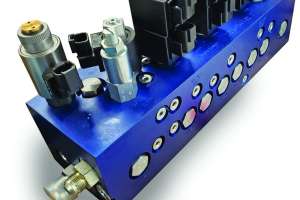

Manifolds are crucial in operating dewatering presses, trash rakes, hydraulic gates and other items in water and wastewater treatment plants.
For ideal maintenance, they require both technical expertise and operational insight. But before addressing effective maintenance strategies, it’s essential to understand what manifolds are and why they are important in treatment processes.
Typically, a manifold in a treatment plant is a complex assembly that distributes hydraulic or pneumatic power to various components to enable efficient operation. Given their role, these manifolds are continuously exposed to varying pressures, materials and environmental factors that can accelerate wear and tear.
The first line of defense in extending hydraulic manifold life is regular maintenance and inspection. This routine should include three main procedures.
Visual Inspection
Regular checks for leaks, corrosion and damage are crucial for nonwater manifolds at treatment facilities. Early detection of issues can prevent significant problems down the line. For most facilities, a good practice is to perform visual checks monthly. However, in environments with high usage rates or harsh conditions, biweekly or even weekly checks may be necessary.
On identifying any signs of wear and tear, users should take a methodical approach. Initially, document the issue by noting the specific type of damage, pinpointing its location and, if feasible, capturing photographs for a detailed record.
Next, consult the manufacturer’s maintenance manual for tailored advice on tackling the problem. This resource may offer repair instructions, suggest parts that need replacement or provide guidance on when to seek professional assistance.
If the wear is minor, such as slight corrosion or minor leaks, take immediate action by adhering to the manufacturer’s recommendations, which could include tightening connections, applying appropriate sealants or replacing degraded parts.
For more serious concerns, such as significant wear, large cracks or severe corrosion, it is advisable to seek a professional inspection. A professional can give an expert assessment of the necessary remedies, which might entail complete replacement of the manifold.
After addressing the immediate issues, reevaluate the maintenance routine, especially if the wear occurred sooner than expected or was unanticipated.
Cleaning and Debris Removal
Accumulated debris can hinder the functionality of hydraulic manifolds in equipment like sludge presses where contaminant buildup is likely. Scheduled cleaning prevents blockages and maintains optimal flow rates. The frequency of cleaning and debris removal should be tailored to the site’s specific operational conditions and usage patterns. Generally, a good practice is to schedule these tasks quarterly.
Environmental factors and the type of fluid being processed can also affect the rate at which debris accumulates and the potential for blockages. For example, if the fluid has a high solids content, more frequent cleaning will be beneficial.
It is also wise to monitor the performance and flow rates of hydraulic manifolds closely. Any sudden drops in efficiency or flow could indicate a blockage or buildup requiring immediate attention. Prompt response to these signs can prevent more serious problems from developing.
It is helpful to adjust cleaning schedules based on these observations and operational data; this helps maintain the manifold’s functionality and service life, ensure the best flow rates and reduce the likelihood of unexpected downtime from blockages or other issues related to debris.
Lubrication
Appropriate lubrication of moving parts according to manufacturer recommendations reduces friction and wear. The type of lubrication used on a hydraulic manifold should be compatible with its materials and the operating environment.
Typically, a high-quality, water-resistant lubricant is recommended to withstand the moist and potentially corrosive conditions prevalent in treatment systems. It is also crucial to select a lubricant that will not degrade rubber seals or other components within the manifold system. Options often include synthetic greases or oils designed specifically for hydraulic systems; these offer excellent protection against wear, corrosion and moisture.
The frequency of lubrication can vary based on the manufacturer’s recommendations, the specific design of the manifold and the operational conditions it faces. Generally, semiannual lubrication is a good starting point for hydraulic manifolds in treatment facilities.
However, for manifolds operating in harsh conditions, such as those with high cycles of use, or exposed to highly corrosive environments or extreme temperatures, more frequent lubrication may be necessary.
It is important to consult the maintenance manual provided by the manufacturer for specific recommendations. These manuals will detail the preferred lubricants and the recommended intervals for their application.
Monitoring the condition of moving parts and seals during routine inspections can also provide valuable insights into whether the lubrication schedule needs to be adjusted. Signs of excessive wear, difficulty in operation or corrosion can indicate the need for more frequent lubrication.
Hydraulic manifolds used in equipment like trash rakes must withstand corrosive environments. Selecting corrosion-resistant materials, such as certain stainless steels and composites, can significantly increase service life. Cathodic protection systems and corrosion inhibitors can provide another layer of defense against harsh substances.
Modern sensor technology can also offer real-time monitoring of manifold conditions, detecting anomalies like pressure fluctuations or chemical imbalances that could indicate potential issues. This proactive approach allows utility managers to address problems before they escalate, saving time and resources in the long run.
The design of the hydraulic manifold itself is also significant. Service life can be extended by designing the system for easy access to common maintenance areas, building adequate redundancy into critical components, and customizing for the specific pressures and fluids the system will face.
Finding a manufacturer with this level of expertise is extremely helpful in maintaining hydraulic systems. Simply put, by incorporating high-quality components, designed with longevity in mind, facility managers can substantially reduce downtime and operational costs.
While in-house teams can handle much of routine maintenance, partnering with specialists for periodic checkups can provide a deeper evaluation of hydraulic manifold systems. These experts can offer insights into potential upgrades or adjustments that may not be immediately apparent but can meaningfully improve system lifespan and efficiency.
The challenges faced by treatment facilities require a multifaceted approach that balances technical knowledge with operational pragmatism. By implementing regular maintenance, choosing the right materials, incorporating technology for real-time monitoring and partnering with industry experts, plant operators can extend the life of hydraulic manifolds.
Ultimately, it’s about safeguarding your investment and ensuring the sustainability of essential services for treatment facilities.
About the author
Chris Rowley is vice president of hydraulics with Bailey International.