Imagine a world where water treatment simply ... stops. No more filtering, disinfecting or removing contaminants. It's a terrifying thought, but let’s play it out. How long before things go from bad to downright disastrous?
Day 1: The Water Still Looks Fine
At first, you might not notice much. Clean water is still in the pipes, reservoirs, and storage tanks. People go about their day, blissfully unaware of what’s to come. But without treatment plants working around the clock, the supply of drinkable water starts dwindling.
Day 3: The Taste Test
By now, water from the tap might taste a little off. That’s because untreated water can quickly become a breeding ground for bacteria, algae and other microorganisms. Even a short disruption in treatment can lead to noticeable quality issues.
Week 1: Health Impacts Begin
Stomach bugs and gastrointestinal issues become commonplace. Without disinfection, pathogens like E. coli and Giardia run rampant. Boil advisories are issued — if there’s even enough clean water to boil.
Week 2: Infrastructure Strains
Municipal pipes and water distribution systems are under stress. Corrosion accelerates as untreated water interacts with aging infrastructure. Meanwhile, sediment and debris clog systems, leading to burst pipes and water main failures.
Month 1: Environmental Fallout
Wastewater plants can’t process sewage effectively without treatment systems in place. Untreated waste flows into rivers, lakes and oceans, destroying aquatic ecosystems. The once scenic waterways become contaminated hazards.
Month 3 and Beyond: Full-Blown Crisis
Hospitals overflow with patients suffering from waterborne illnesses. Businesses reliant on clean water shut down. Agricultural irrigation is compromised, leading to crop failures. Communities are forced to rely on bottled water, but supply chains struggle to keep up.
The Real Takeaway
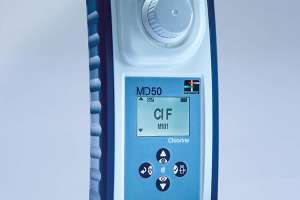
This grim scenario proves the essential role water treatment operators play in public health and safety. The work you do is invisible when things go right, but without it, society would grind to a halt. So next time you’re knee-deep in maintenance or monitoring those chlorine levels, remember: you’re not just treating water — you’re keeping civilization afloat.