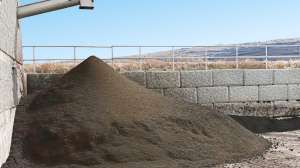
Problem: The Concordia (Kansas) Wastewater Treatment Facility produced aerobically digested liquid Class B biosolids for land application. Facing stricter U.S. EPA regulations and reduced demand for its biosolids, the city was forced to haul the material to a landfill 35 miles away, at significant expense. Liquid land application was limited by weather.
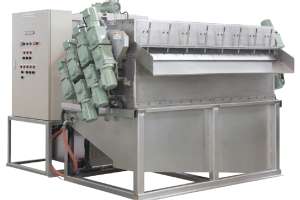
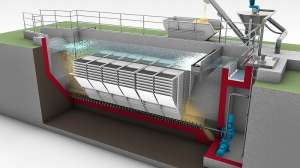
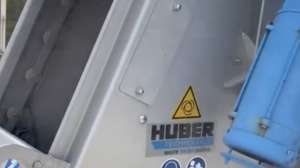
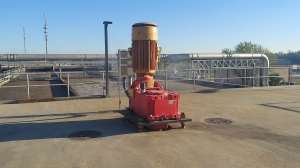
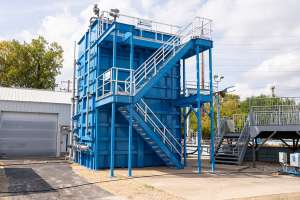
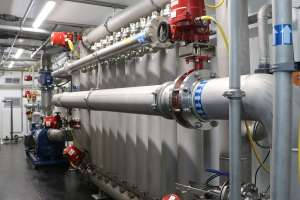
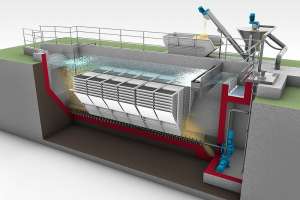
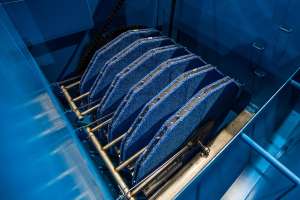
Solution: The city evaluated composting, thermal drying and lime stabilization before choosing the Schwing Bioset advanced alkaline stabilization process. This, along with a more effective dewatering screw press, provided optimum cost, ease of operation and maintenance and odor control. It fit within the plant’s design constraints while producing a Class A product.
Result: The screw press dewaters waste activated sludge to 22% solids for feeding into the Bioset process. The city no longer needs to haul biosolids to the landfill. The Class A material is land-applied year-round and is not restricted to specific fields. The city has begun to transition away from digesters, saving more money.
715-247-3433; www.schwingbioset.com