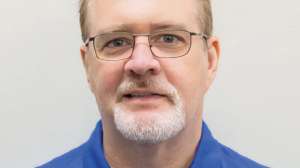
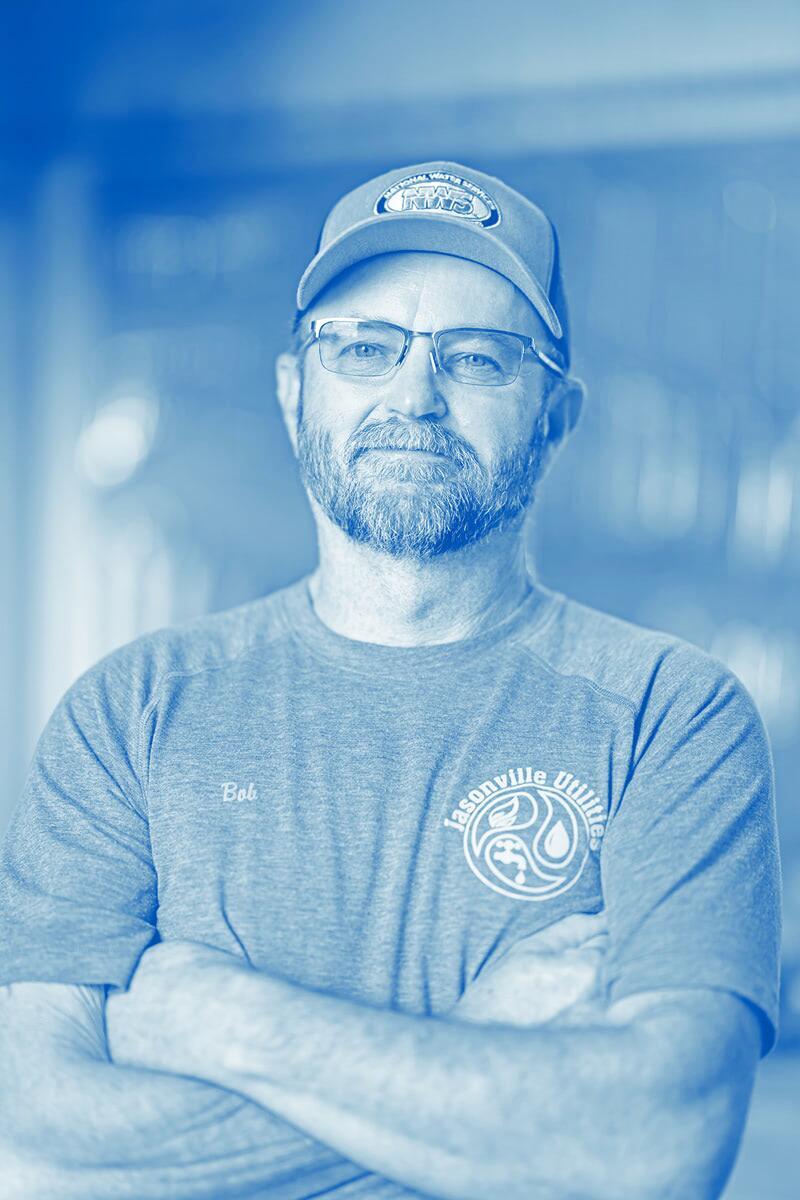
Bob West had a long and satisfying career in Indiana’s coal mining country.
But after three decades, he needed something new. “I was tired of the lifestyle,” says West, now superintendent of Jasonville (Indiana) Utilities. “I worked at least 10 hours a day for 30 years, sometimes six or seven days a week. I just didn’t have time for myself.”
So, when a job opened at the utilities department in his hometown, West grabbed it. He quickly climbed the ranks and within two years was promoted to the superintendent role he has held for eight years. Now in his 10th year with Jasonville, West has applied his work ethic and coal industry experience to realize a new vision for the future of the water, sewer and gas utility.
“Being in the coal industry, I could tell you what it took to turn on a light switch. But I could not tell you what it took to turn on a tap,” says West. “It’s about the same process, but there’s a lot more involved than I had imagined.”
Between supporting his community’s critical infrastructure and improving work-life balance, West is happy: “It enables me to do my hobbies and side projects. I’ve got a small construction outfit with one of my sons where we do dozer work. I also race dirt bikes with my sons and grandsons. Everything has been good, other than the headaches we have related to the water plant fires.”
Crash and burn
In February 2024, West and his team were working on a water leak in the neighboring town of Hallsville. During the fix, West drove to the Jasonville water plant to turn on the waterline valve and then headed back toward the work site.
“About a mile down the road, I received a call from the police that someone had crashed their truck into the water plant,” says West. “I thought the officer was pulling my leg.” But he wasn’t. West turned around to find a truck had hit the water plant since he had left it.
The police were putting the driver into an ambulance when the truck caught on fire. “We had fire extinguishers and we slowed it down pretty good,” West says. “But once the fire reached the electrical panel, it sparked and there wasn’t any stopping it. We just backed up and watched it until the fire department got there.”
The department responded promptly, and the plant was only partially damaged. West and his team immediately assessed the situation and worked to get the plant running again with the equipment that was still operable.
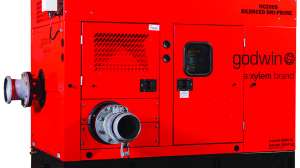
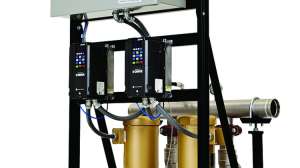
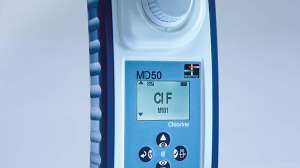
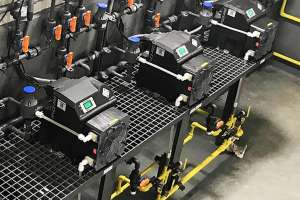
The plant was set up with two filters (WesTech Engineering) and four high-service pumps (Pentair). The fire took out one filter and one set of pumps. West and colleagues rewired the second set of pumps, did some plumbing and reset the chlorine disinfection feed system (Blue-White Industries). Residents went without tap water for only 12 hours. But just 10 months later, a bigger fire tested the plant team’s tenacity again.
Repeat adversity
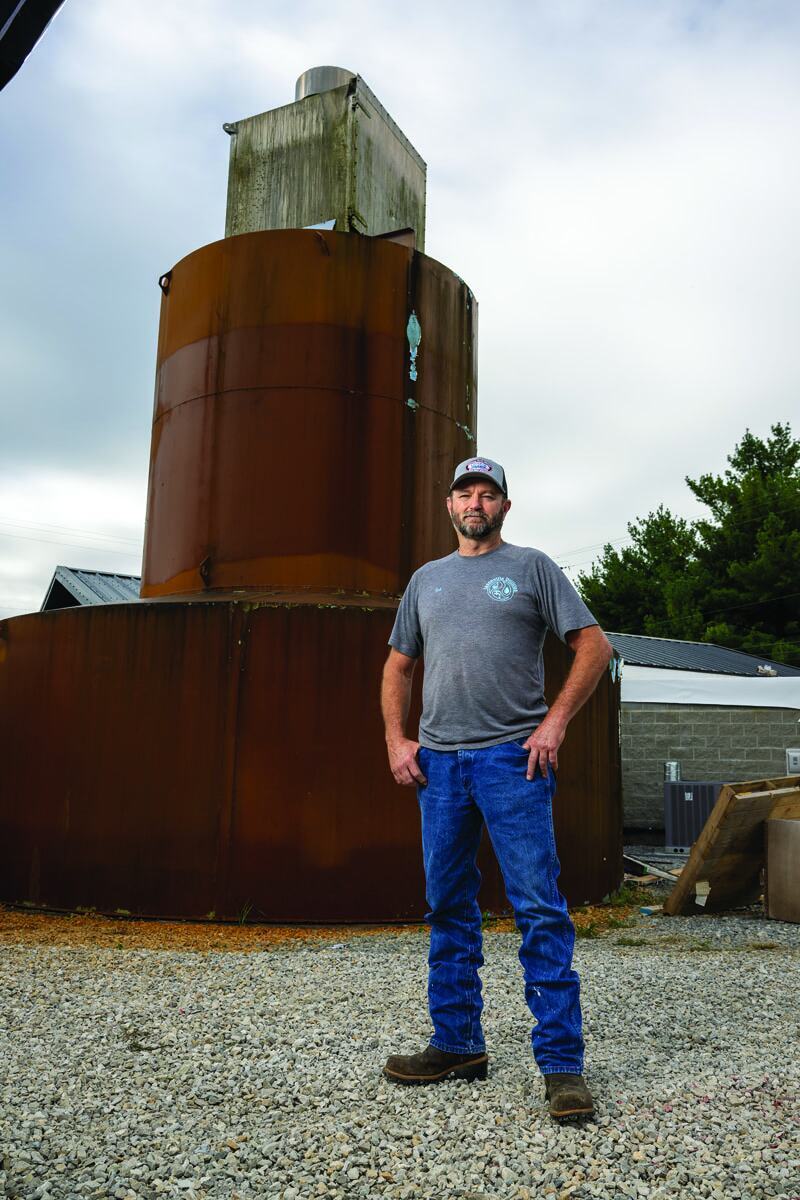
In December 2024, contractors were repairing the damage from the blaze when the electrical box malfunctioned and the plant caught fire again, this time inflicting far more damage before emergency responders arrived.
“It destroyed everything, except for one filter,” West recalls. “We lost the pumps, motors, everything.” Once more with a can-do attitude, the team took action. Firefighters, vendors and utility staff and others helped deal with the emergency and began brainstorming the recovery.
As West orchestrated the response, things came together. “I had a vision that we could take a shipping container, put all the equipment in it and tap the surviving filter,” West says. Graves Construction quickly found a container, new pumps and a motor. Meanwhile, the Berry Electric team transferred power to the temporary structure and tied a portable generator to the system. “The electricians were our saving grace, truthfully,” West says.
SCADA vendor Rafa Systems flew a technician in from New York: “They’ve been wonderful to work with. We were back up in automation by Day Six.” West’s leadership played a big role in collaboration as the temporary water plant was completed in five days, despite the odds.
Road to recovery
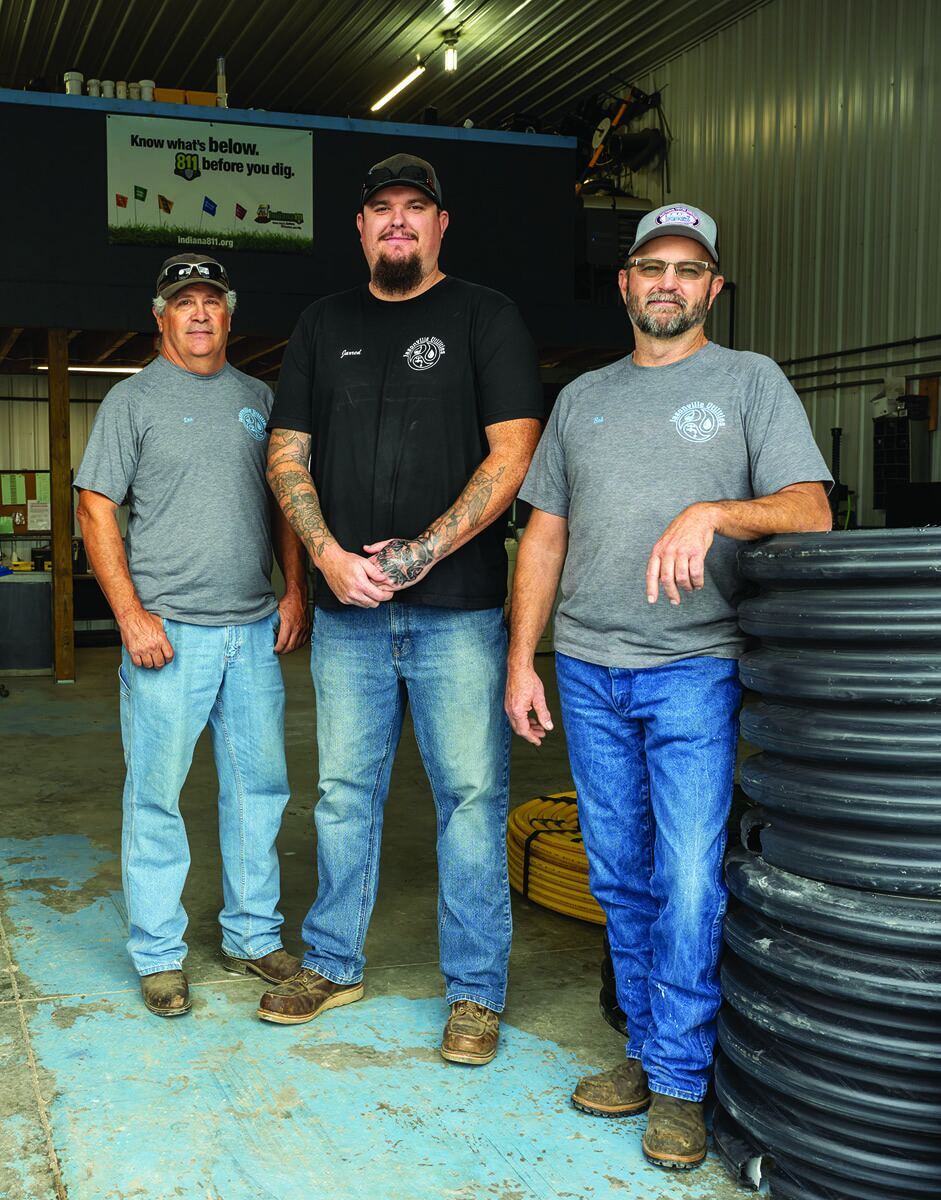
As things settled back to normal, West and his team worked as hard as ever to keep the water, sewer and gas utilities going. Tyler Sparks operated the temporary water plant while managing construction of a new plant next door. Louis Lorenzo oversaw water distribution. Justin Raleigh and Jarred Van Horn operated the wastewater treatment plant, and Doug Netherland, assistant superintendent, took care of the gas system.
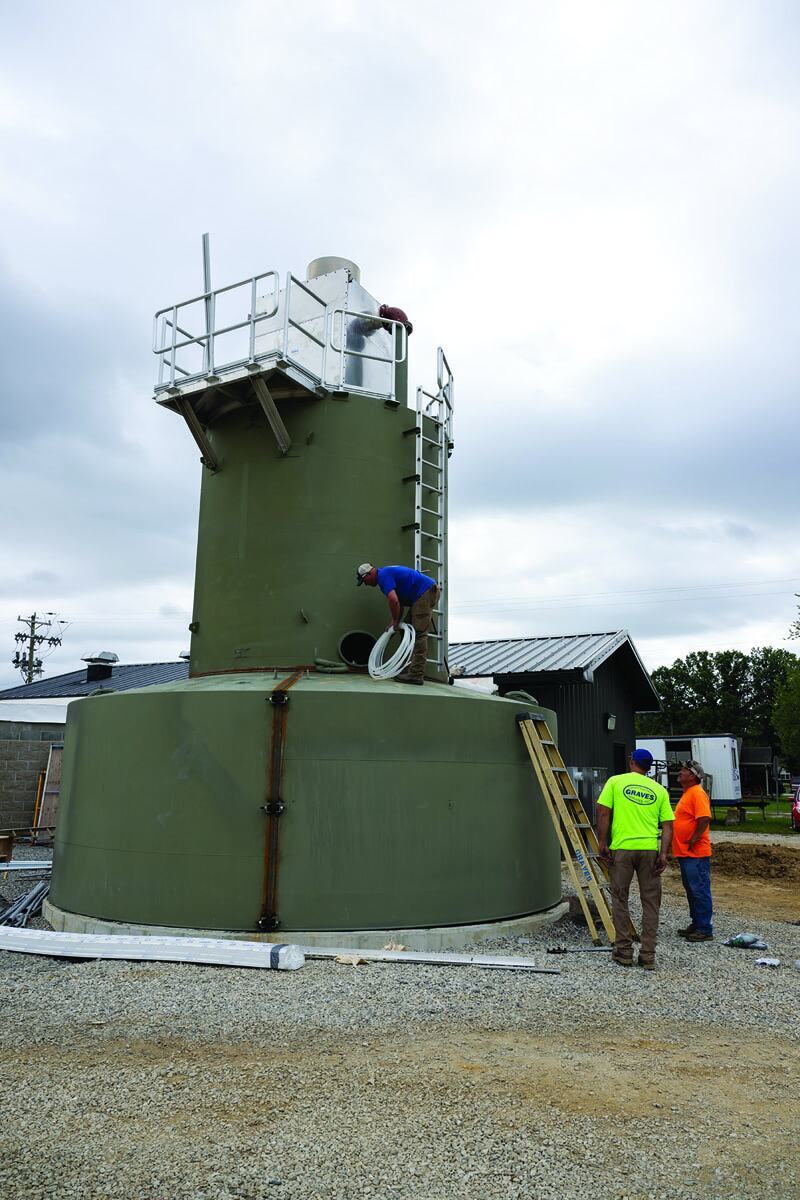
The temporary water plant produced 350,000 to 500,000 gpd, easily meeting demand, until the new plant was completed in December 2025. “We were actually able to produce more water in the temporary structure than at our old plant,” says West. “But we only had one pump and one motor. Instead of chlorine gas, we disinfected with sodium hypochlorite.”
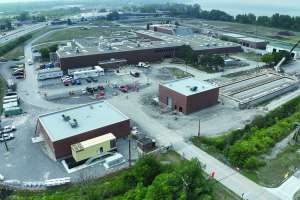
The new plant mirrors the original plant, with filters, pumps for wells and distribution, and chlorine gas disinfection.
Establishing a legacy
West admits that he craves solving problems — even when they’re seemingly catastrophes. “Funny as it sounds, I thrive on problems like the fires,” he says. “Whenever somebody’s got something they can’t fix or is having problems with, they call me.”
For his bravery and leadership, West was named 2025 Water Systems Operations Specialist of the Year by the Alliance of Indiana Rural Water: “The award surprised me, it really did. We also received the Thousand Dollar Friendship Award for Cody Keller, who is in our apprenticeship program for water treatment and distribution.”
Between the apprenticeship encouraging staff to upskill, West is building a team that can take over once he moves on. “I’m still in good shape, but I’m trying to get these guys licensed up,” he says. “If something happens to me, I want to be sure they can continue on without contract operators.”
West has also taken the initiative to modernize the utility department. When he started 10 years ago, the entire system was managed with paper maps and manual billing. “Not that it was in dire straits, but I’ve been bringing us into the 21st century,” he observes. “I’ve got GIS set up throughout the system. Our gas system is completely paperless. We do everything electronically now, which makes our job 10 times easier. We’ve come a long way.”
While many folks his age would be eyeing retirement, West has no plans to stop. He intends to lead his utility into a steady future: “I love what I’m doing. I love this business. And this job allows me to do things I want to do. I’ve had a few opportunities to go other places, but I’ve turned them down because it’s just a good fit here.”