The traditional methods of water-quality monitoring are a thing of the past. No longer feasible are the slow, labor-intensive methods that require an operator to drive to sampling points, pull grab samples and test them in a lab. Smart technology can now monitor multiple parameters at once, allowing utilities to quickly detect and react to changes in the distribution system.
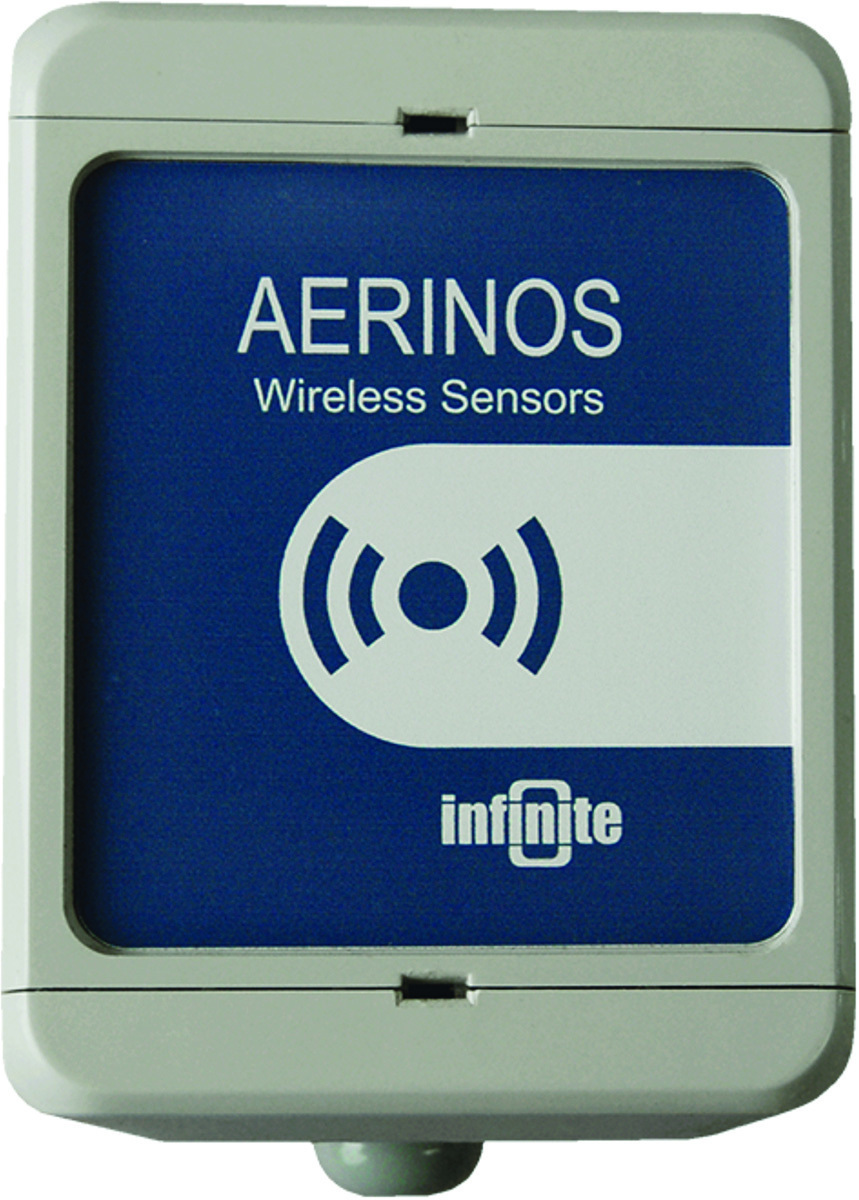
CAS DataLoggers is offering the AERINOS ADS-300 wireless sensor end node from Infinite Informatics. It is designed to transmit data via either NBIoT/LTE-M cellular networks, targeting remote monitoring applications. NBIoT is a wireless protocol designed for the Internet of Things that offers low-power operation using LTE cellular technology.
“The main thing that sets it apart is that it offers extremely low power consumption,” says Terry Nagy, engineering manager with CAS DataLoggers. “It’s a battery powered cellular device which can provide 3 to 5 years or more of maintenance-free operation.”
The ADS-300 offers one analog input and one digital/counter input plus support for SDI-12 and RS485/Modbus serial communications. The analog input is designed for sensors with either a voltage or 4-20 mA current output. The digital input can be used as either on/off state input to record events such as a contact opening or closing or as digital counter input to capture pulses from a device like a flowmeter. The SDI-12 and RS485 interfaces can be used with smart sensors with serial data outputs.
It can be easily integrated with cloud platforms like Microsoft Azure IoT Hub, Amazon Web Services, Mosquitto MQTT brokers or dedicated IoT platforms like Losant. It is designed for applications that require remote, low power operation such as environmental and agricultural monitoring, level and flow measurements.
“The ability to push data to a variety of cloud services such as AWS and Azure has allowed the flexibility in how they gather and process the data,” says Nagy. “For example, one customer is using it for level monitoring in a canal. They used to have to go out to the site periodically to download data from a stage discharge recorder. We were able to connect to this existing recorder via the SD-12 interface, and now they get data uploaded automatically every 15 minutes. Not only does it save them the time of going to the site to download stored data, they can have near real-time water level and discharge information.” 800-956-4437; www.dataloggerinc.com