Every now and then in talking to people in the profession, I run across an idea that should have been obvious to me, but wasn’t, and so seems worth sharing. Sometimes its not so much the idea itself as the way the person presents it.
I picked up such an idea in speaking with Bob Martin, superintendent of the Water and Wastewater Department in South Lyon, Mich., (whose plant will be profiled in a future issue of this magazine). And it fits well with our “In My Words” feature in this edition, involving Marian Galbraith, mayor of Groton, Conn.
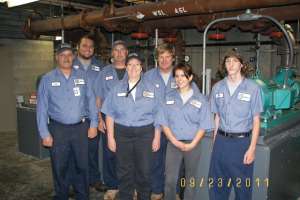
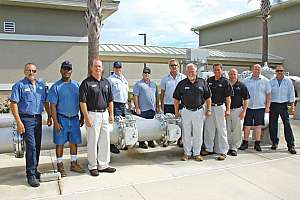
Martin managed to convey with great clarity where the credit belongs for the award-winning success of South Lyon’s facility. It doesn’t all belong to him. It doesn’t even all belong to his eight co-workers. It also belongs to the people of the community and the elected officials who represent them.
After all, he said, without the community’s support, and without the community’s pride in the quality of water leaving the outfall, the plant’s accomplishments wouldn’t be possible. It’s an enlightened view.
Taking notice
Typically, the work clean-water operators do is, to paraphrase a famous speech, little noted nor long remembered. But think of what happens when good leaders manage to cultivate awareness and understanding between plant personnel, community leaders, and rank-and-file citizens.
Suddenly, plant operators appreciate how the people in all those homes and businesses along the streets pay for the facility and for the jobs they have, and so become even more dedicated and conscientious. And the people, in turn, may give more than a passing thought to the men and women who run the plant and take care of the sewers, and become more willing to support it when it’s time to pay for an upgrade.
It’s an atmosphere of mutual respect that can only lead to good things. Deep down, everyone in the clean-water profession knows this. It’s simply worth bringing it into the clear light of day once in a while, and Bob Martin did a great job of that.
Mayor at work
And that leads to Groton’s mayor. Who can play a more important role in creating this atmosphere of respect than a city’s most visible official? Just look at what Atlanta mayor Shirley Jackson did for her city, championing a very expensive yet absolutely necessary upgrade of the sewer system, in the process becoming known as the “sewer mayor,” and carrying the title with pride.
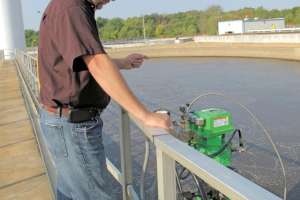
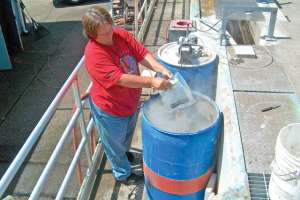
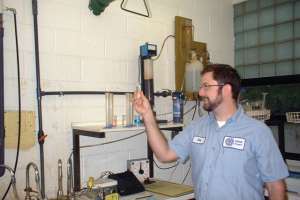
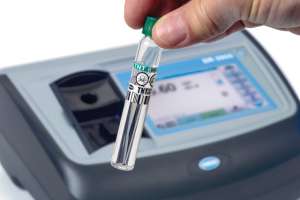
Mayor Galbraith of Groton didn’t do anything that dramatic, but she did show by example that the treatment plant and its operating team are incredibly important. She took a full day out of her schedule to do job shadowing at the plant — not just taking a tour or standing around watching, but actually pulling water samples, taking instrument readings, and doing all sorts of tasks plant staff members handle daily.
In the interview printed in this issue, she tells why it was important for her, as the city’s chief executive, to understand the people at the clean-water plant, the equipment they use, and the issues that challenge them.
What she didn’t mention, yet is still abundantly clear, is how that understanding will make her a more effective advocate with the public at times when the plant needs improvements for which the public must pay.
All together now
So there’s the idea. This business of clean water involves everyone. It’s not just a job for the men and women at the end of the big pipe. It’s everyone’s job, one way or another, whether manning the SCADA system at the plant, voting for the bond issue for the new aerobic digesters, or sitting at the dining room table writing that quarterly check for the water and sewer bill.
Such a simple idea, yet so powerful.