If you work in wastewater treatment, you’ve probably heard it before: “How do you stand the smell?” The reality is, odor is just part of the job. But not all smells are created equal, and some can signal bigger issues in the treatment process. Here are a few of the most common odor problems at treatment plants and what’s behind them.
1. Hydrogen Sulfide
One of the most recognizable wastewater odors, hydrogen sulfide forms in anaerobic conditions — often in stagnant areas or long force mains. Beyond the smell, it’s also corrosive and hazardous at high concentrations.
2. Ammonia
Ammonia odors typically come from nitrogen breakdown in wastewater. If you’re noticing it more than usual, it could indicate an imbalance in the biological process.
3. Organic Decay
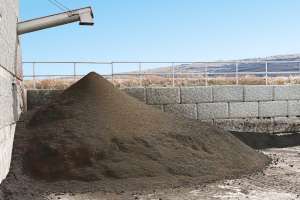
Sludge storage, digesters and composting processes can create musty, organic smells as microbes break down material. Proper aeration and process control help keep these odors in check.
4. Industrial Discharges
Some plants receive waste with stronger chemical odors, especially from industrial sources. Unusual smells could mean an unexpected discharge is making its way through the system.
5. Lift Station and Collections System Odors
Odors that travel beyond the plant often originate in the collections system. Regular maintenance, odor control chemicals, and proper venting can help minimize complaints from nearby residents.
While odor is unavoidable in wastewater treatment, understanding where it comes from can help operators manage it effectively. What’s the strongest (or strangest) smell you’ve encountered on the job?