Power outages aren’t just an inconvenience at a wastewater treatment plant — they can quickly turn into an operational crisis. Whether caused by storms, equipment failures or grid issues, losing power affects pumps and aerators, putting public health at risk.
So, what’s the plan?
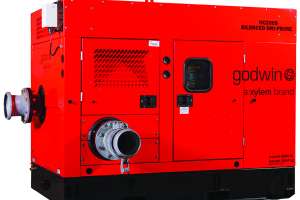
1️⃣ Backup Power Ready? Plants should have generators tested regularly, with enough fuel on hand to run critical systems for an extended period. Battery backups for SCADA and alarms are also a must.
2️⃣ Prioritize Essential Operations – Identify the most vital processes that need power first. Aeration, effluent pumps and chemical feed systems should be at the top of the list.
3️⃣ Monitor and Respond – Operators should be ready to manually monitor flows and treatment levels if automated systems go dark. Having a response team on standby ensures quick adjustments.
4️⃣ Communication is Key – Keep contact with utility providers, emergency management, and plant personnel to coordinate efforts and provide updates.
5️⃣ Post-Outage Inspections – Once power is restored, verify all equipment is functioning correctly and document any issues for follow-up maintenance.
Preparedness can make all the difference.