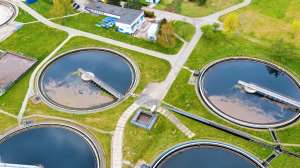
Sometimes, the best wastewater treatment technology isn’t technology at all — it’s nature itself. Constructed wetlands and other natural treatment systems are playing a growing role in wastewater management, using plants, soil and microbial life to filter contaminants and improve water quality.
How Natural Systems Work
✅ Filtration and Sedimentation – Wetland plants slow water flow, allowing solids to settle while root systems trap pollutants.
✅ Nutrient Removal – Microbes in the soil break down nitrogen and phosphorus, preventing harmful algae blooms in downstream waters.
✅ Biological Treatment – Bacteria living on plant roots digest organic matter, much like conventional treatment systems.
✅ Carbon Sequestration – Wetlands capture and store carbon, reducing greenhouse gas emissions from wastewater treatment.
Why It Matters
Natural treatment solutions are cost-effective, low-maintenance and environmentally friendly. They provide an extra layer of protection for wastewater effluent while creating valuable habitat for wildlife. As regulations tighten and sustainability becomes a priority, more utilities are turning to nature for help.