Hurricane Helene has highlighted several key vulnerabilities in treatment plants. Here are the main ways hurricanes impact these facilities:
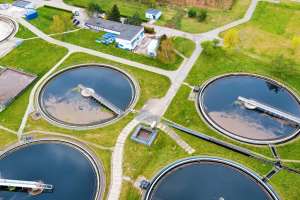
- Flooding of Infrastructure – Heavy rainfall can overwhelm drainage systems, leading to flooding of treatment plants and potential damage to equipment. Helene's rainfall has put many plants in a battle to manage overflows.
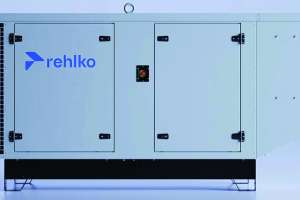
- Power Outages – Strong winds often lead to power outages, affecting the ability of treatment plants to operate. While many plants have backup generators, keeping them running consistently during extended outages is a major challenge.
- Stormwater Infiltration – Hurricanes can lead to stormwater infiltration into sewer systems, creating increased pressure on treatment facilities. Plants have had to handle significantly larger volumes, pushing their capacity to the limit.
- Disrupted Supply Chains – Hurricanes disrupt local supply chains, delaying the delivery of essential chemicals and spare parts needed for treatment processes. This further complicates the ongoing efforts to maintain plant operations during the storm's aftermath.
- Operator Safety – Keeping plant personnel safe during hurricanes is a priority, leading to reduced staffing and operational capacity during peak storm conditions. This has led to plants relying heavily on automated systems.
Hurricane Helene serves as a reminder of the importance of hurricane resilience in treatment plant design and emergency preparedness.