When most people think of wastewater treatment, the focus tends to be on removing chemicals, toxins and other pollutants flagged by the EPA. However, before any of that can happen, there's a critical first step: removing or reducing the size of bulky solids that make their way into the system.
This is where grinders come in. These powerful machines break down large, problematic materials early in the treatment process — improving overall system efficiency and reducing operational strain. Let’s explore some of the main reasons grinders are a smart investment in wastewater treatment.
1. A smarter alternative to early disposal
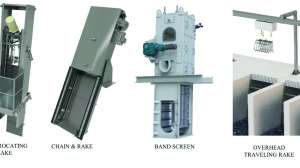
Traditional screening systems collect large debris, but that material still needs to be removed and disposed of — creating a labor-intensive and often costly extra step.
Grinders, on the other hand, reduce those solids into smaller particles that can continue through the system. This streamlines the process and postpones disposal until a later, more controlled phase.
2. Engineered to handle the unexpected
It’s surprising what ends up in municipal wastewater: rags, flushable wipes, plastics, sticks, bottles — even clothing from correctional facilities. These types of materials can wreak havoc on treatment equipment.
Industrial grinders use powerful cutting forces to shred tough solids, ensuring a continuous flow and preventing system disruptions caused by blockages.
3. Clog prevention for pumps
When large or fibrous materials pass into the system, pumps are often the first to suffer. Clogs require halting operations and manual intervention to clear, which is both time-consuming and risky for workers.
By reducing the size of solids at the outset, grinders help eliminate these clogs and allow pumps to do their job more efficiently, with fewer interruptions.
4. Better sludge management
Once solids are separated into sludge during secondary treatment, they still need to pass through various mechanical systems such as pumps or dewatering devices.
Grinders help by further conditioning the sludge, breaking solids down to protect downstream equipment and reduce the chance of clogs or mechanical damage during sludge handling.
5. Equipment protection across the board
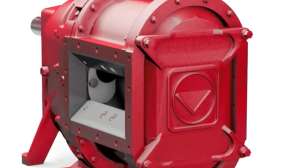
Whether installed in an open channel or as part of a pressurized line, grinders protect every piece of downstream equipment. By minimizing the size of debris early, sensitive systems like filters, centrifuges and rotary lobe pumps operate more reliably with less wear and tear.
6. Less need for manual labor
Grinders make wastewater treatment safer and more automated. Manual raking of screens, emergency clog clearing, and debris removal are significantly reduced, lowering the risk to workers and improving efficiency.
Features like counter-rotating shafts and self-cleaning cutters further reduce the need for hands-on maintenance.
7. Speeds up organic matter breakdown
Later stages of treatment rely on biological or chemical methods to break down organic materials. Smaller particles are easier for bacteria to process, allowing for faster BOD reduction and helping facilities meet environmental discharge standards more quickly.
Explore more grinder benefits
If your facility handles wastewater, incorporating a grinder into the early stages of treatment can yield major benefits — from lowering maintenance costs to improving safety and uptime.
For more details on how grinders can optimize your process, reach out to Franklin Miller to learn about the full line of grinder solutions and wastewater treatment technologies.