A project led by UC Berkeley architecture professor Maria-Paz Gutierrez — with collaborators from UC Merced and two Texas universities — seeks to significantly reduce residential water consumption by reusing graywater before it is flushed into the sewer system.
Funded by a $650,000 National Science Foundation award, the research aims to divert graywater for toilet flushing and potentially other uses like laundry.
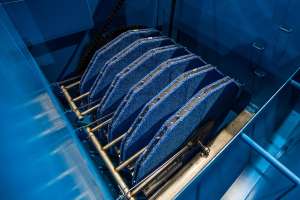
The proposed system uses a solar panel with microlenses coated with nanoparticles that interact with sunlight to kill microbes and remove harmful chemicals from graywater. This process also heats the graywater, potentially allowing it to be used as thermal energy. The project's multifunctional design includes circulating sun-heated water through buildings for warmth in colder conditions.
This initiative is part of the NSF Convergence Accelerator's Track K: Equitable Water Solutions and is one of 15 projects in its first stage. If successful, the team could receive a $5 million grant to develop and implement its system. Over the next nine months, each team will create a proof of concept, expand its partnerships and participate in an innovation curriculum. At the end of Phase 1, teams will present their solutions and apply for Phase 2 funding.