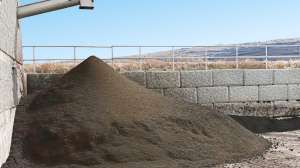
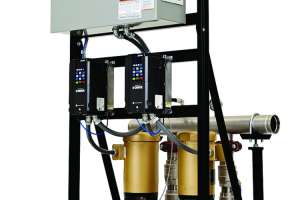
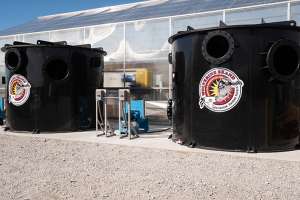
A new industrial facility near Seattle is pioneering a futuristic approach to waste management, transforming fecal matter from humans and livestock into valuable agricultural resources. The 2.3-acre plant uses the Varcor system, developed by Sedron Technologies, to process septic sludge and biosolids, creating sterilized fertilizer, nearly pure ammonia, and clean water. The process is remarkably energy-efficient, using compressed steam to significantly reduce electricity consumption. This approach addresses the growing scarcity of crucial agricultural nutrients while offering a sustainable alternative to traditional waste disposal methods.
The Varcor system employs a multi-step process to separate and refine the waste materials. The resulting fertilizer is already being distributed to local farms, and the ammonia byproduct has attracted interest from companies seeking to create fertilizer without fossil fuels. While the technology holds promise for closing environmental loops on fertilizers and clean water access, challenges remain. These include securing regulatory permits, attracting skilled workers and overcoming existing frameworks that haven't considered the potential of wastewater as a resource.
Despite these hurdles, the technology is expanding, with several dairies adopting similar systems to process manure. The largest of these, in Indiana, has the potential to convert millions of gallons of manure into reusable products annually. While waste-to-fertilizer strategies alone won't solve global food security issues, they represent a crucial step towards a more sustainable and circular approach to resource management, viewing waste not as a problem but as a valuable asset.
Read more about it at MIT Technology Review.