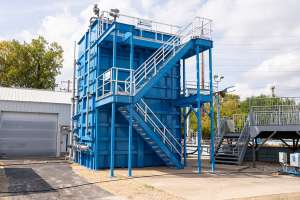
UConn Today recently published an interesting article highlighting the University of Connecticut’s Reclaimed Water Facility and the critical role it plays in reducing the campus’s potable water usage.
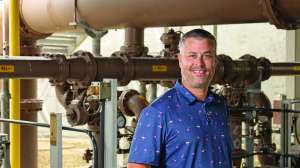
The facility treats wastewater for non-potable purposes such as heating, cooling and flushing toilets. Opened in 2013, the RWF processes 250,000 to 450,000 gallons of reclaimed water daily, with a design capacity of up to 1 mgd, and serves as a model for sustainable water management.
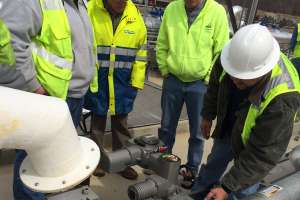
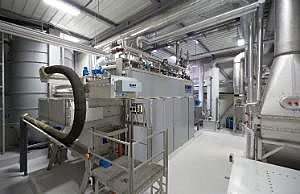
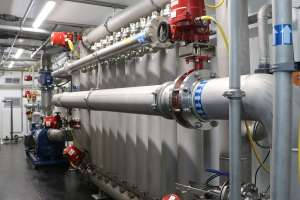
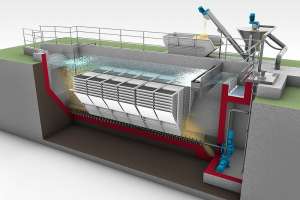
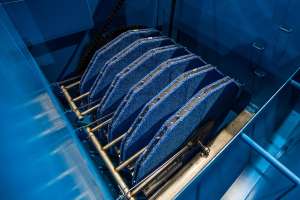
The facility employs a three-step treatment process, starting with solids removal through an auto strainer, followed by microfiltration, and concluding with UV sterilization to eliminate or deactivate harmful organisms. Supplemental chlorine disinfection can also be applied when necessary. Advanced monitoring systems continuously track water quality, while an in-house laboratory ensures compliance with safety standards. To improve energy efficiency, pumps with variable-frequency drives adjust speed based on demand.
The university's Reclaimed Water Facility, integrated with UConn’s Water Resource Recovery Facility, prevents the overuse of potable water by reclaiming treated wastewater, which otherwise would be discharged into the environment. The WRRF itself handles up to three million gallons of wastewater daily, with a portion routed to the RWF for additional processing. By reclaiming water for campus needs, UConn significantly reduces its environmental footprint, addressing both water conservation and sustainability goals.
Read in depth about the facility here or take a look at the video below.