Problem: The Stavnsholt Wastewater Treatment Plant in Denmark experienced odors that generated complaints from resident. Ferric chloride addiction reduced the hydrogen sulfide smell, but not enough to stop the complaints.
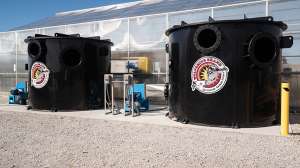
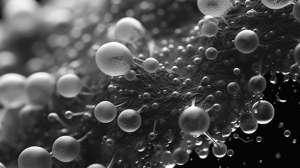
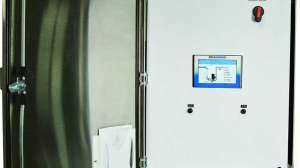
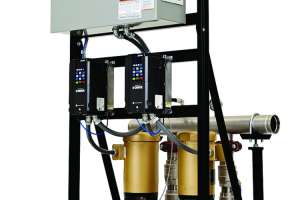
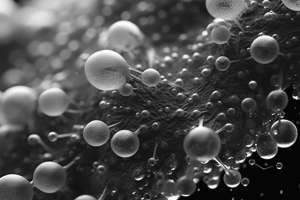
Solution: Plant officials worked with TECHRAS Nano, channel partner of Moleaer in Denmark, to install a mobile nanobubble generation unit on the primary clarifier. The nanobubble generator pulled wastewater from the primary clarifier effluent channel and discharged it into the influent chamber. Its design capacity was 11,000 pounds per day; it took only took half a day to install. The technology produces bubbles 70 to 120 nanometers in diameter. Due to their small size and lacking buoyancy, they stay suspended and move in random motion. Nanobubbles also inhibit the anaerobic conditions that cause H2S formation.
Result: The process significantly reduced odor complaints during summer and stopped them during the rest of the year. Daily consumption of ferric chloride with the nanobubble process was 34 liters per day versus 212 liters per day previously, an 84% reduction. Electricity consumption fell 5.3% even though the plant was operating with higher mixed liquor suspended solids.
424-558-3567; www.moleaer.com