Water towers might all serve the same purpose — maintaining pressure and storage for municipal systems — but no two are exactly alike. From design to capacity, each tower is built to fit the unique needs of its community.
- Elevated vs. Standpipe – Traditional elevated towers use height to generate pressure, while standpipes rely more on water column height and volume. Some systems even blend both for efficiency.
- Spheroid, Composite or Multi-Legged? – Spheroid tanks are sleek and low-maintenance, while composite towers combine concrete bases with steel tanks for stability. Older multi-legged styles are still in service, though they require more upkeep.
- Capacity Considerations – A tower’s size isn’t just about demand; it factors in peak usage, fire protection, and even seasonal fluctuations. Smaller towns might need 50,000 gallons, while major cities store millions.
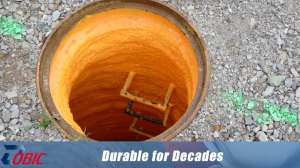
- Climate and Coatings – Corrosion protection varies by location. Towers in coastal areas need extra defense against salt, while northern systems require freeze protection strategies.
No matter the type, every water tower plays a critical role in distribution — just with its own twist.