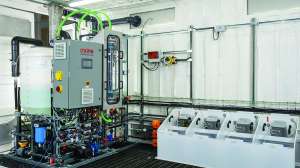
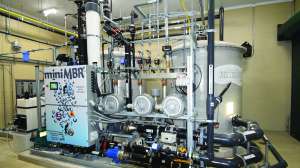
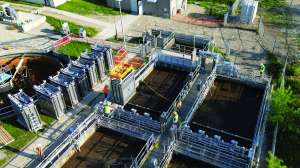
In the ever-evolving world of water treatment, automation has become a game-changer. From monitoring flow rates to optimizing chemical dosages, automation is taking the guesswork out of plant operations. No longer do operators have to manually track every valve or gauge — advanced systems now handle those tasks, freeing up valuable time for other responsibilities.
Automation doesn’t just make daily routines easier; it also plays a crucial role in improving accuracy and minimizing human error. Real-time data collection helps identify trends and potential issues before they become full-blown problems. And in emergency situations, automated systems respond more quickly than any human could, helping to keep everything under control.
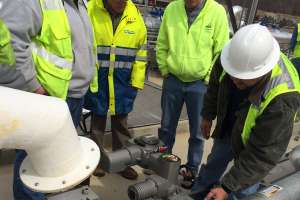
The role of the treatment plant operator is shifting. Instead of spending hours on repetitive tasks, operators are becoming more like system managers — interpreting data, making strategic decisions, and using their expertise to fine-tune automated systems. It’s a partnership between human skill and machine efficiency that’s improving the reliability and performance of water treatment processes across the board.
Automation is here, and it's changing the landscape of treatment plants for the better.