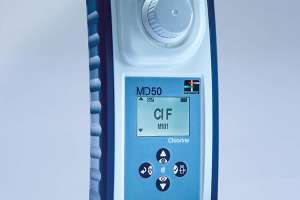
Chlorine disinfection has become the most widely used disinfection solution for drinking water plants across the country. Careful control of dosing is vital to thoroughly disinfect drinking water before it is distributed to the community. Over- or under-dosing can cause harm to the community served by the drinking water plant. Online chlorine analysis using a DPD chlorine analyzer is a highly reliable method for monitoring residuals at the effluent and dosing control.
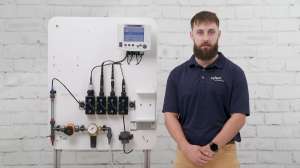
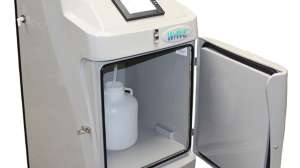
Online DPD chlorine analyzers that conform to standard method 4500-CL-G and U.S. EPA method 334.0 can be used to report effluent limits to the EPA. In this webinar, learn how YSI’s 3017M DPD Chlorine Analyzer can be used for optimal online chlorine analysis and how it can be applied to various drinking water processes.
Attendees will be able to:
- Describe how chlorine removes pathogens from water and why it is the most common method for disinfection.
- Explain chlorine behavior in drinking water and how to properly dose chlorine.
- Apply the 3017M to a drinking water treatment plant to monitor and control chlorine disinfection and monitor and report chlorine residuals.
Who should watch:
Water treatment engineers, operators, instrument technicians, and superintendents who want to learn more about chlorine disinfection with online DPD chlorine analyzers.
Earn CEUs
Attendees are eligible to receive a certificate awarding 0.1 CEU from the International Association for Continuing Education and Training (IACET). To meet the requirements, attendees must watch the full presentation and pass a Knowledge Quiz with a score of 100% (quiz link in video). IACET CEUs are often transferable, so check with your local association to see if IACET credit is accepted.