One of Maya Slocum’s favorite student testimonials is: “Now I know there are people at the other end of the toilet.” Slocum, pollution prevention specialist for the South Bayside System Authority (SBSA) in Redwood City, Calif., says the Sewer Science course she teaches is “definitely an eye-opening experience” for students.
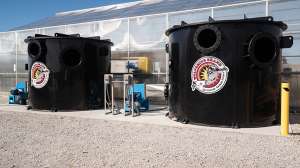
Sewer Science is a weeklong, hands-on program that takes simulated wastewater processes into the classroom. Students learn what goes on in the collection and treatment processes by making their own “wastewater” samples and then cleaning the water using specially designed tanks. They perform analytical tests and are responsible for meeting quality standards.
It’s like experiencing a week in the life of a wastewater treatment operator.
The little things
Sewer Science was developed in nearby Palo Alto by staff at the Regional Water Quality Control Plant. Slocum, who was a science teacher, brought it into her classroom in 1997. Over the years, the program has blossomed and is now taught in a number of schools. And after 17 years of teaching, Slocum now works full-time with SBSA.
Schools pick up the class largely because it meets science curriculum standards, but also because SBSA staff provides technical support for teachers as well as equipment and workbooks, free of charge. The program fits well with any high school class, but Slocum and her crew prefer freshman science classes. Sometimes they’re asked to run it for an environmental studies class, usually for seniors.
The seven-day program includes one final day of wrap up and review. The day before SBSA educators arrive in the classroom, the teacher gets students prepared.
“They have a brainstorming session,” says Slocum. “The teachers ask them to think of everything that goes down the drain. Some students are modest; some go a little further and mention mucus and blood.”
Recipe for learning
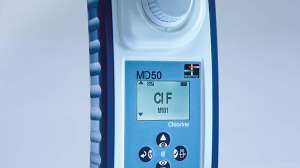
With workbooks open, the students begin their education in wastewater treatment. They start with an introduction to treatment plants and processes, then learn about ammonia, pH, turbidity and chemical oxygen demand (COD) and how to measure them.
By day three, they are stirring up a brew of “wastewater,” mixing dried coffee grounds, broken up breakfast cereal and pet food, cut up pieces of plastic, baking soda, torn up toilet paper, ammonia and vegetable oil in 1-liter beakers.
Then they run their concoctions through simulators. Through-out the program, they are asked to hypothesize outcomes. If the mixture rests for 20 minutes, what will float and what will sink? Are the pH and other parameters affected if floaters and sinkers are removed?
To Slocum, looking for water bears in a sample of activated sludge from the aeration basin is a high point in the program. “Water bears are Tardigrada,” says Slocum. “They look like little teddy bears, but they have eight little legs instead of four. They have claws and can hold onto stuff and suck things out. They’re omnivorous hunters.”
Slocum’s enthusiasm overflows, and as a result students put extra effort into searching for water bears under the microscope. This is one of the reasons sludge is brought over from the Palo Alto plant. The SBSA plant isn’t required to remove nitrogen, and as a result the sludge doesn’t contain nitrifying bacteria or their companions, water bears.
A hardworking bunch
Slocum is the only pollution prevention specialist at SBSA, but Sewer Science is taught by every member of the SBSA source control department, which includes two pretreatment inspectors and one fats, oils and grease (FOG) inspector.
Treatment plant operators have taken an interest and have offered to teach, but that’s on hold until construction projects at the plant are complete. And it’s no wonder operators want to get involved: Ultimately it will make their jobs easier.