Winter can wreak havoc on wastewater treatment plants. When temperatures plummet, operators face a ton of challenges, from equipment failures to process slowdowns. So, how cold is too cold for wastewater treatment?
1. Frozen Equipment = Major Headaches
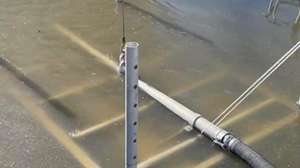
Cold weather can freeze pipes, pumps and aerators, reducing flow rates and causing mechanical failures. Ice buildup in clarifiers and digesters can also throw off treatment efficiency.
2. Microbes Don’t Like the Cold
Biological treatment depends on happy, active microorganisms — but when temperatures drop, so does their efficiency. Slower metabolism means slower treatment times, leading to incomplete breakdown of organic matter.
3. Ice Can Damage Infrastructure
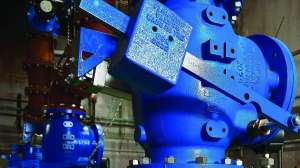
From frozen valves to ice-covered basins, extreme cold can physically damage treatment infrastructure. Operators must monitor and clear ice accumulation before it leads to costly repairs.
4. Inflow and Infiltration (I&I) Spikes
Winter weather can increase I&I as frozen ground shifts pipes and snowmelt floods systems. This can overload plants, dilute treatment processes, and strain capacity. Proactive maintenance and sewer rehab efforts can help the issue.
Winter-Proofing the Plant
There’s no magic temperature where everything stops working, but the colder it gets, the harder wastewater treatment becomes. Preparedness is key — insulating equipment, optimizing processes, and staying ahead of potential failures can keep operations running smoothly through the worst of winter.