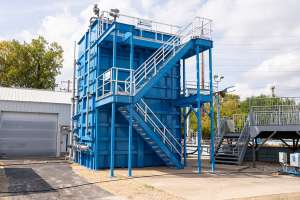
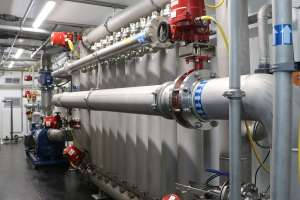
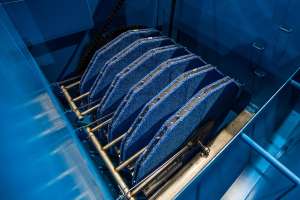
The Oconomowoc Wastewater Treatment Facility has achieved five consecutive years of reliable phosphorus compliance by using the Alyza IQ PO4 orthophosphate analyzer to automate ferric chloride dosing. As phosphorus effluent limits continue to tighten nationwide, the facility sought a consistent and data-driven method to maintain its 0.95 mg/L total phosphorus limit while minimizing unnecessary chemical use.
Oconomowoc WWTF in Wisconsin treats an average of 2.4 mgd and historically relied on laboratory TP results to guide ferric dosing. This approach introduced time delays and variability in chemical feed rates. By implementing online orthophosphate monitoring, operators can respond to real-time plant conditions, stabilize effluent phosphorus concentration, and reduce the risk of overdosing expensive chemicals – all while achieving significant cost savings on ferric chloride and ensuring regulatory compliance.
Reducing chemical usage with real-time orthophosphate data
To consistently maintain effluent phosphorus limits without overfeeding ferric chloride, Oconomowoc WWTF implemented continuous, online PO4 monitoring. Operations Manager Kevin Freber previously achieved a 25% reduction in ferric use at Watertown WWTP using YSI’s legacy P700 orthophosphate analyzer. Drawing from that success, Oconomowoc installed the upgraded Alyza IQ PO4 in 2020.
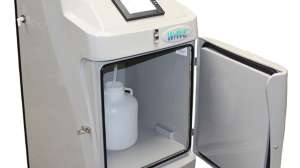
The analyzer is located at the plant effluent, about three hours downstream of the ferric dosing point in the aeration basins. This setup provides a critical feedback point for ensuring compliance with final effluent phosphorus limits. The analyzer delivers high-accuracy, low-level PO4 measurements for effluent monitoring and control.
To read more about the solution, click here.