As cities grow across the U.S., the population often increases much faster than the wastewater infrastructure capacity of the local community. As flows increase, wastewater treatment systems that were perfectly suited to treat the needs of the community just a few years before becoming increasingly strained. Under this increased loading, the performance of aging treatment processes continues to degrade at an even faster rate. Eventually, communities will either need to build additional wastewater treatment facilities or significantly upgrade the capacity of existing plants’ processes. Such was the case for one central Nebraska WWTP.
Much of the existing infrastructure at the plant was around 50 years old. The existing plant was sized for 35 mgd, but this older infrastructure was constraining them to just 27 mgd. Faced with issues throughout the plant, maintaining continuous treatment was a big concern.
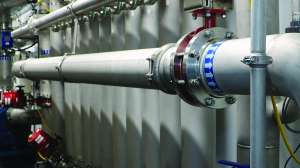
Of particular concern was the inadequate capacity of their grit basin systems where equipment such as valves and pumps were severely corroded to the point that they were barely functioning. The only significant part of their headworks that was fully functional was the building that it was located in. The plant needed to upgrade their entire headworks process.
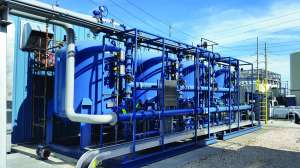
After evaluating options to improve their grit removal system, they found that a HeadCell/SlurryCup/Grit Snail system was the best option to upgrade their facilities.
Read this case study to discover what led to their decision, and how the system successfully protects their plant even during once in a lifetime extreme grit loading conditions.
Download Case Study