Chlorine is a powerful disinfectant that has played a critical role in municipal water treatment for over a century and is one of the most important tools for protecting public health. However, ensuring effective disinfection without creating harmful byproducts requires careful monitoring and control.
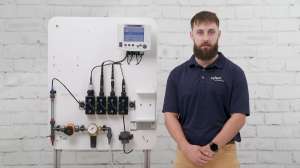
Watch a technical deep dive into chlorine disinfection, exploring the chemistry, monitoring requirements, and sensor technologies that drive reliable water quality. This session will compare DPD-based analyzers and amperometric sensors, helping you understand when and why to measure free vs. total chlorine in both drinking water and wastewater applications.
What you’ll learn:
- The role of chlorine in disinfection and factors affecting its behavior
- Differences between free and total chlorine — and when each should be measured
- Principles, strengths and limitations of DPD and amperometric technologies
- Guidance for selecting the right monitoring approach for your facility
- Best practices for chlorine dosing, calibration and maintenance