We are all aware that the biggest line item on the books for wastewater treatment plants is tied to power consumption. When it comes to optimizing plants in terms of their consumption, we look at everything from electricity, fuel, biogas and even manpower.
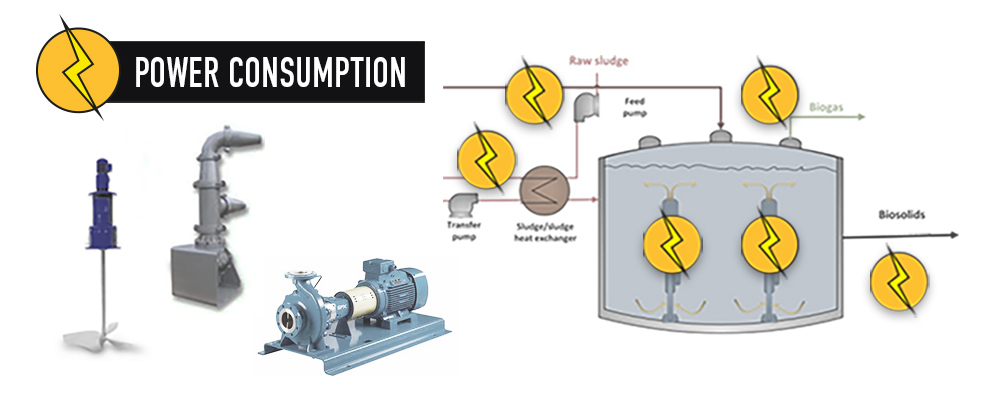
While making operational investments in energy-saving technology or equipment that converts outputs to usable energy (cogeneration, biogas, etc.) it’s often a tough pill to swallow. But in virtually all studies, the achievable cost savings on the energy side far exceeds the investment in energy-efficient improvements.
Digester operation
When it comes to the combination of sludge treatment and generating heat or gases that can be converted or otherwise used by the plant, anaerobic digestion has long been a valued solution.
While digesters reduce the amount of sludge that needs to be disposed of, they still require power to operate.
Digester optimization
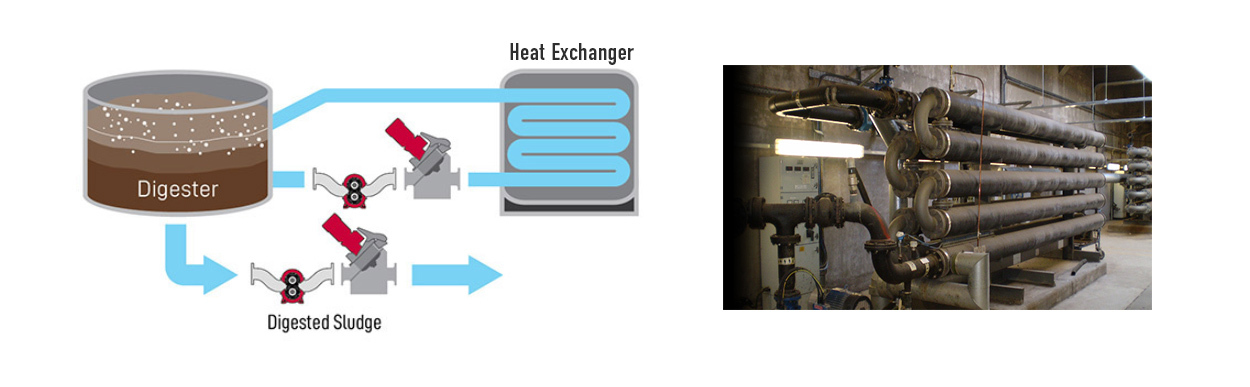
When we look at the operation of a digester, we are typically talking about pumps, a mixing system, a heat exchanger and other secondary pieces of the system. It’s typical to choose a mixing system based on the type of digester and other conditions associated with the sludge and sludge processing.
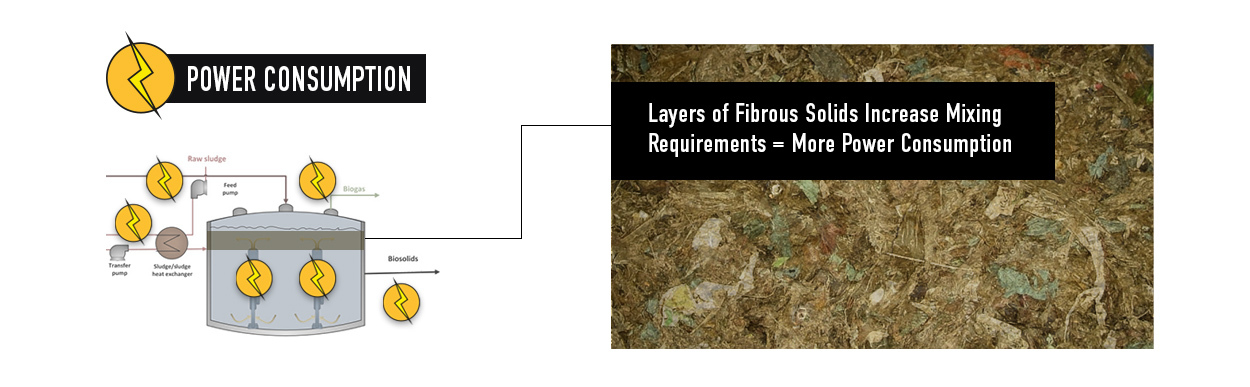
As you know, running these mixing systems is critical to efficient digestion; however, they require a good deal of energy to operate. Suddenly the equation on your biogas or thermal return doesn’t look as good. And if you try to limit the use of your mixer, you are potentially looking at maintenance issues tied to floating layers created by fibrous solids or settling issues created by grit.
The common denominator
When we look at successful operation of a digester, one thing stands out — which is that the entire system is more efficient when the sludge is properly conditioned and as homogenous as possible. Not only will the anerobic digestion process improve, but the efficiency of the mixers is improved, and the overall parasitic load is reduced.
“Better” (homogenous) sludge = better biogas production and lower energy costs to achieve it.
While this is potentially a complex topic, Vogelsang can point to decades of experience with digester optimization for some simple answers.
The most simplified way of looking at it this: If the material you are adding to a digester is fibrous and solids-laden, then you are asking a lot of your mixing equipment. Additionally, clumps and larger particles take longer to break down and slow efficiency of the digester. You are also opening yourself up to pump an/or heat exchanger clogs. At the very least, you are increasing maintenance requirements and the frequency in which major digester cleanings will be required.
How to ensure sludge is properly conditioned
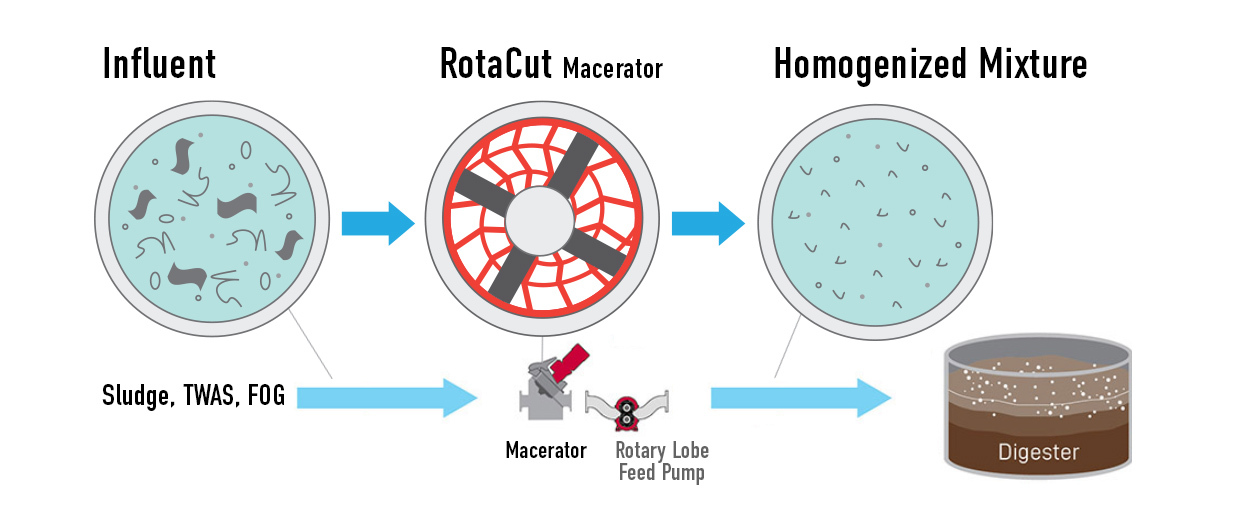
You need to properly condition sludge with a macerator prior to feeding into the digester — and specifically, a macerator that is finely tuned for precise cutting so that fibrous material is reduced to a consistent particle size. Other grinders are typically designed to shred material, which is great for solids seen at the earlier stages of the wastewater treatments process. However, this shredding action can allow longer strands of materials to pass and is not as consistent in terms of achieving a consistently small particle size.
RotaCut vs. traditional grinder
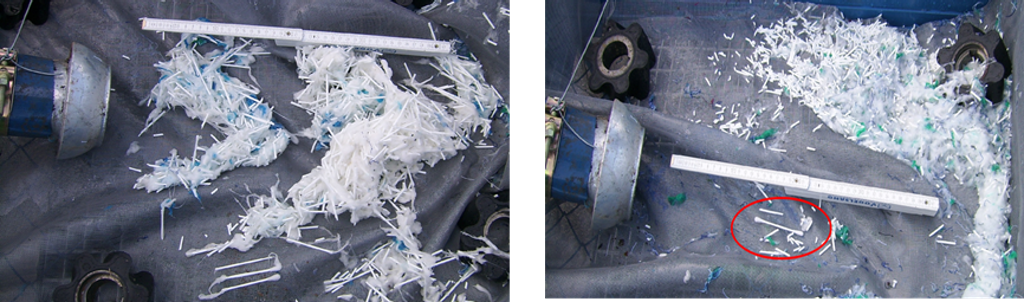
When you implement a macerator that cuts as opposed to a grinder that shreds, fibrous solids are far less likely to clump back up. The result is a digester that doesn’t require aggressive mixing cycles that inflated the electric bill. Meanwhile, it produces biogas and thermal energy more efficiently, which can be used by the plant for a net gain in energy consumption.

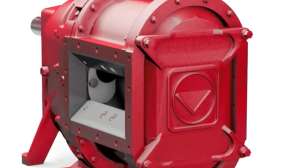
RotaCut: A macerator above the rest
Vogelsang designed its RotaCut macerator to suit the exact requirements needed to improve digester operations. It specializes in the refined cutting that conditions sludge for applications such as anaerobic digestion and the dewatering phases of treatment.
THE RESULTS
RotaCut Macerator:
- More consistent, smaller particle sizes lead to:
- Homogenized slurry/sludge mixtures
- Reduced (floating) layers in the digesters = less mixing required
- Increased digestion efficiency and reduced HRT (hydraulic retention time)
- Less clogging issues of pumps and valves
- Prevents heat exchanger clogs and cleanouts
- More efficient post-digestion dewatering process
- Low cost of service and repair, inline service (no disconnecting pipes)
- Customizable combo packages and BioCut available as complete system including controls (plug and play)
- Small footprint and compact design
- Remove heavy solids through a rock trap (pot) design
- Numerous models available to handle a wide range of flow and solids percentages

Read more about ROTACUT here, or contact Vogelsang for sales support.