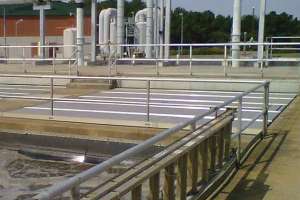
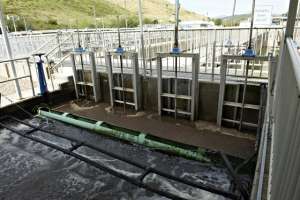
Amazing stuff, wastewater. Clean water comes into our homes and businesses. We dirty it up. Then it travels under the streets to a treatment plant where, all of a sudden, this filthy, smelly water becomes valuable.
The more I hang around the treatment profession, the more remarkable wastewater looks to me. Its esteem in my eyes went up another notch when I read this month’s article in TPO about the Clean Water Services Durham (Ore.) Advanced Wastewater Treatment Facility.
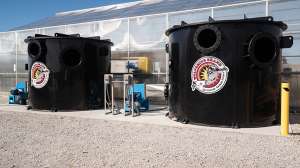
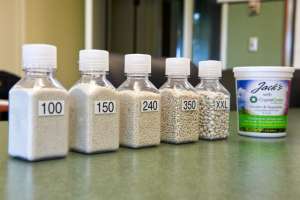
There, they pull nutrients out of the wastewater — ammonia and phosphorus that otherwise might cause havoc in waterways — and turn them into fertilizer. Not only is the product sold commercially: It’s used to add nutrients to local streams to help support salmon fry so they have the strength to swim out to sea.
Count it up
So, let’s take a little inventory. What all exactly comes out (or can come out) of that water our cities and villages used to pump in raw form to the nearest river?
Well, struvite fertilizer pellets, as in the case of Durham. Then of course there’s biosolids, which some communities still give away and others sell. They sell at a significant loss if viewed strictly as a business proposition, but whether the material is sold or distributed free, it adds value to the community.
We see the value in vigorous crops of corn and alfalfa, in lush, verdant golf course fairways and park lawns, in homeowners’ yards and ornamental gardens, in cover material for landfill restoration, in silviculture, and probably many more applications.
Then let’s not forget digester methane, aka biogas. That’s powerful stuff. Slowly but surely (or maybe not so slowly), the practice of flaring this gas is going away. It gets burned in boilers for space and process heating. It fuels engines/generators that produce steam along with electricity, which can be used in the plant or sold to the power grid.
In New York City, they have a plan to treat the biogas from at least one major clean-water plant and turn it into a clean, high-quality fuel for nearby homes — the treatment plant becomes a part of the gas utility!
There’s much more
And the water itself? That’s valuable, too. It’s valuable when it goes back all cleaned up into a river, creek, lake or ocean. It’s valuable when it’s purified to reclaim standards and sold for irrigating farms and green spaces. Some day it may be valuable as drinking water for stressed communities — the technology is there.
Think for a minute about the combined effect of all the nation’s reclaimed water in lowering stress on aquifers and surface sources and reducing water imports.
If you want to look a little deeper, consider the potential of wastewater influent as a power source to turn hydroturbines (though perhaps feasible only in rare cases) and as a source for in-plant cooling in summer and heating in winter.
Looking even farther, at least one company is exploring ways to pull enough energy out of wastewater to run the entire treatment plant — enabling the plant to achieve net-zero-energy input. Who knows what comes next?
The old-time meat processors used to brag that they made use of “every part of the pig except the squeal.” It looks as if the wastewater industry is doing something just as thorough and remarkable with the flow that comes into the headworks every hour of every day.
To people in and around the profession, this may all look fairly routine. But that shouldn’t stop us from, once in a while, stepping back and admiring, even marveling. The fact it happens is a tribute to people, to science, to technology, and to communities and their residents whose investments (voluntary or not) make it possible.
Someone has to say it: This is a truly wonderful business.