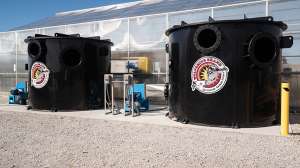
A portable pilot version of the MicroSludge System from Paradigm Environmental Technologies, designed to produce more biogas from anaerobic digesters in less time, enables treatment plant operators to test the technology in-house before deciding if it’s right for them.
“Operators need to minimize the risk of adoption of any new technology,” says Filipe Figueira, director of marketing. “The truth is that all plants are different and all sludge is different. A pretreatment technology that may work at full scale in one part of the country may not work economically or technically at a given plant. This system lets prospective users see the results they are likely to get in about six months, at the fraction of the cost of a full system.”
While it’s possible to convert about 60 percent of primary sludge to biogas, only about 30 percent of waste activated sludge (WAS) is typically converted to biogas in an anaerobic digester, Figueira says. To increase biogas production and the speed of digestion, the pretreatment system makes it easier for the digester to break down WAS.
“What MicroSludge does is smash up the microbes and liquefy them,” Figueira says. “It’s like chewing your food very, very well before swallowing it — you are going to get much better digestion.”
However, just as all food is not identical, the same is true of sludge. “All sludges have different characteristics, such as level of volatile solids and biogas potential, propensity for foaming, dewaterability, and odor,” Figueira says. “So by running a pilot system, we can establish the range of benefits a plant is likely to see at full scale, and therefore have much better data with which to make plant improvement decisions.”
A recent pilot system beta site was able to reduce digestion time from 30 days to seven days without affecting performance. “That can have a massive impact on wastewater treatment plants that need to build new digesters because they’re running out of capacity,” Figueira says. “By putting in MicroSludge, these plants can make better use of existing infrastructure, generate more biogas, and produce less biosolids from existing digesters.”
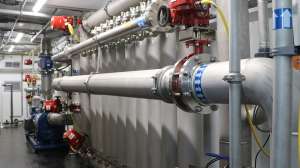
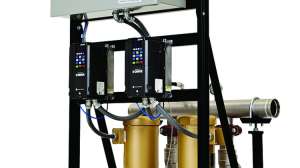
The system, mounted on three 8- by 8-foot skids, consists of a pretreatment unit and four 400-gallon digesters, equipped with temperature control and gas measurement. The system also includes automatic daily collection of sludge feed and effluent samples for conventional testing. The digesters can be configured to test various operating conditions, such as acid phase, digesters in series or parallel, and thermophilic digestion. 604/742-0360; www.microsludge.com.