Progressive Cavity vs. Lobe Pumps
Positive displacement pumps are often the pump of last resort because they take on the tough jobs and challenging applications that make up much of the wastewater treatment process. Positive displacement (PD) pumps are known for their capability of pumping highly viscous liquids, such as sludges, FOG, and other waste slurries.
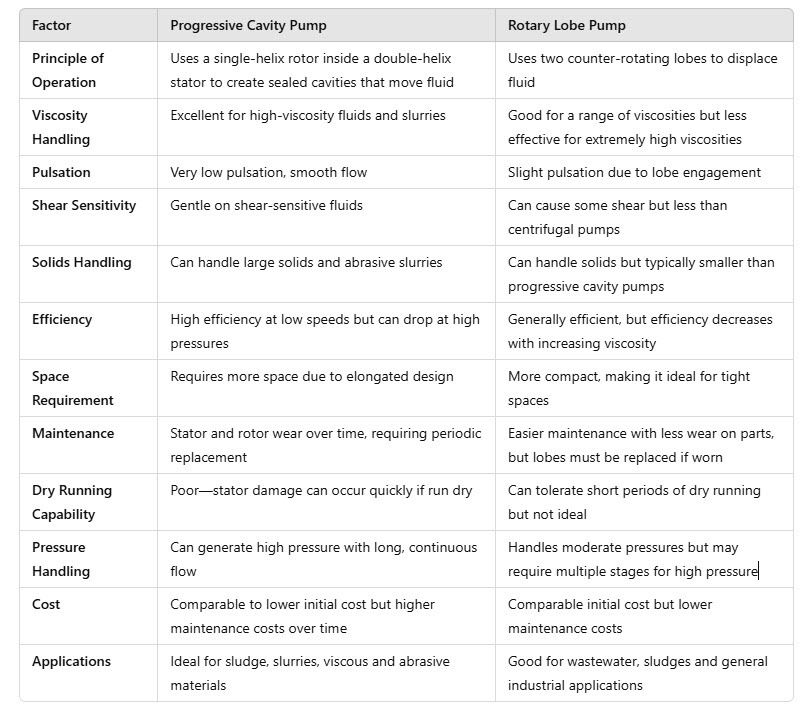
Progressive cavity pumps and rotary lobe pumps are among the industry’s heavy hitters in the category, but which option wins when they go head-to-head?
Rotary Lobe Pumps
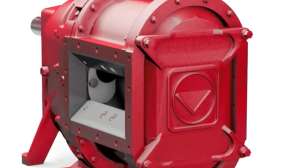
Summary: these are compact and easy to service. They can handle a wide range of flows and viscosities and are typically seen in applications with 3-17% solids, making them ideal for numerous types of sludge transfers, dewatering feed, FOG and septage.
Advantages in wastewater applications
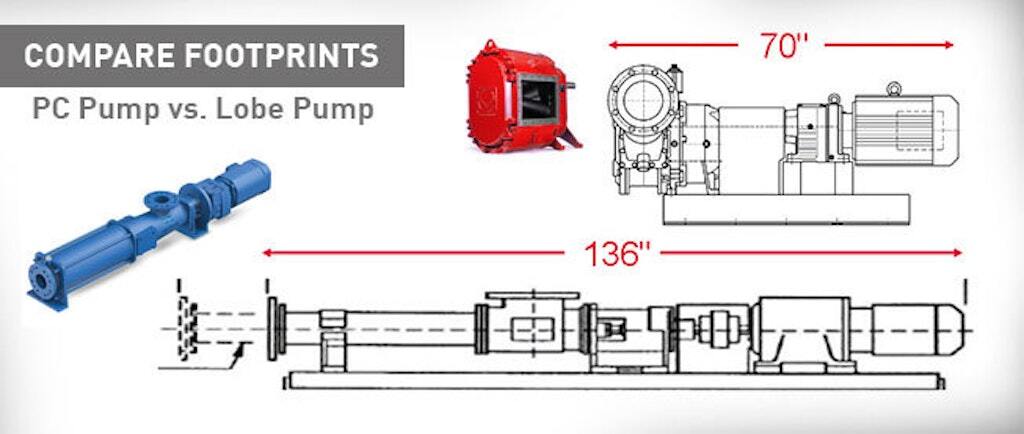
- Compact design – Ideal for installations where space is limited, smaller pads and rooms needed
- Ease of maintenance – Quick access to wetted parts allows for in-place maintenance, minimizing downtime.
- Reversible flow – Unlike other PD pumps, rotary lobe pumps can run in both directions, offering flexibility in various processes, such as MBR systems that backwash.
- High efficiency at lower pressures – Suitable for applications where medium pressure and consistent flow rates are needed.
- Dry-running capabilities – Certain models can tolerate short periods of dry running without damage, reducing the risk of intermittent flow applications or blockages.
Advancements in lobe pump technology from Vogelsang
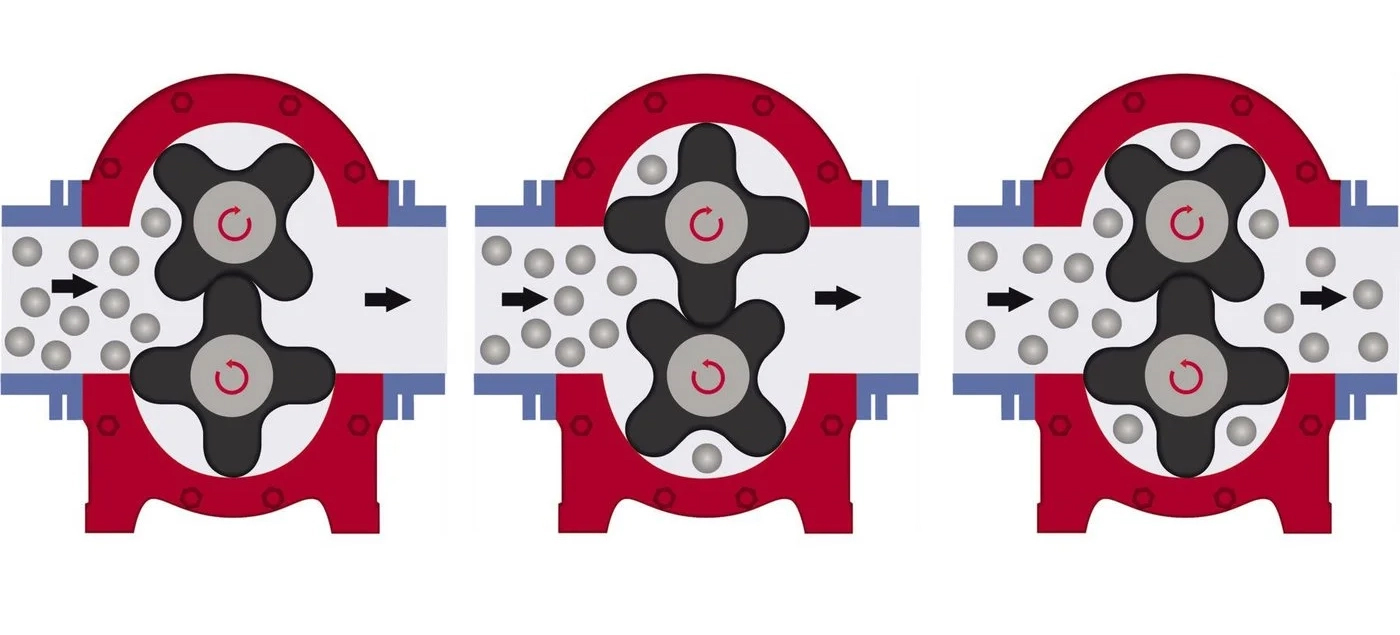
Vogelsang, the inventor of this technology, patented the HiFlo lobe, a four-wing lobe with a twist (convoluted). This ensures the lobes maintain better sealing lines, resulting in far less pulsation than other rotary lobe pumps, while also maximizing hydraulic efficiency (far less ‘slip’ than other models). Combined with the largest (relative) diameter shaft in the RLP world, Vogelsang’s VX-series pumps have the least shaft deflection in the market. This means far less wear to the lobe tips resulting in longer service life.
Progressing Cavity Pumps
PC pumps are well-suited for various wastewater applications because they handle viscous, abrasive, and shear-sensitive fluids with solids. Known for reliable performance, these pumps also handle higher solids content than rotary lobe pumps, tackling as high as 45% depending on the particle size.
Advantages in wastewater applications
- High viscosity handling – PC pumps excel at pumping thick sludge, dewatered biosolids, and high-viscosity fluids.
- Gentle fluid handling – The smooth, low-shear flow prevents the degradation of delicate substances such as polymer solutions used in flocculation.
- Consistent flow – Their ability to maintain constant flow, regardless of pressure fluctuations, ensures process stability.
- Solids handling – PC pumps can handle large solids and suspended particles without clogging, making them ideal for raw wastewater and thickened sludge.
- Self-priming and suction lift – They provide strong suction capabilities, which is beneficial in applications where lifting fluid from a sump or tank is required.
Advancements in progressive cavity pump technology from Vogelsang
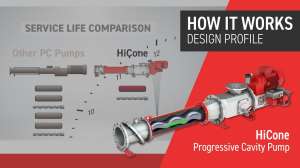
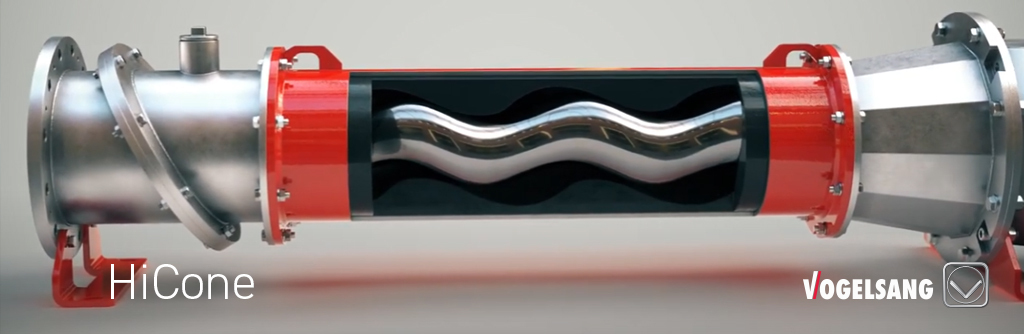
Vogelsang has launched the HiCone Progressing Cavity Pump, defined by its conical stator, it’s designed with an easy-to-use adjustment system that extends the service life of the pump by two to four times that of existing technology. You can regain compression during operation to achieve near-factory performance even as the pump wears down. This results in far fewer parts replacements and significantly lower maintenance costs. Additionally, Vogelsang’s HiCone pump is designed with a QuickService design, so when it is time to replace parts, it can be done in place in less time than traditional PC pumps.
The Winner - Takeaways
Choosing between a progressing cavity pump and a rotary lobe pump depends on the specific demands of the wastewater process. Engineers should assess fluid characteristics, pressure requirements, and operational constraints to determine the best fit.
The winning option is different in every bout.
We suggest you start by looking at these factors:
- Solids percentage, viscosity and abrasion/corrosiveness of the application
- Space requirements
- Likelihood of dry-run conditions
- Pump designs that feature wear-resistance
- Maintenance requirements, costs and downtime, including the availability of parts
Need help comparing positive displacement pumps?
Vogelsang designs and manufactures lines for rotary lobes and progressing cavity pumps. With thousands of successful full installations, we can help you specify/size and select a pump option that’s best for you and your operations.